
Ajwa Dates Benefits: Nutrition, Health Uses & Tradition
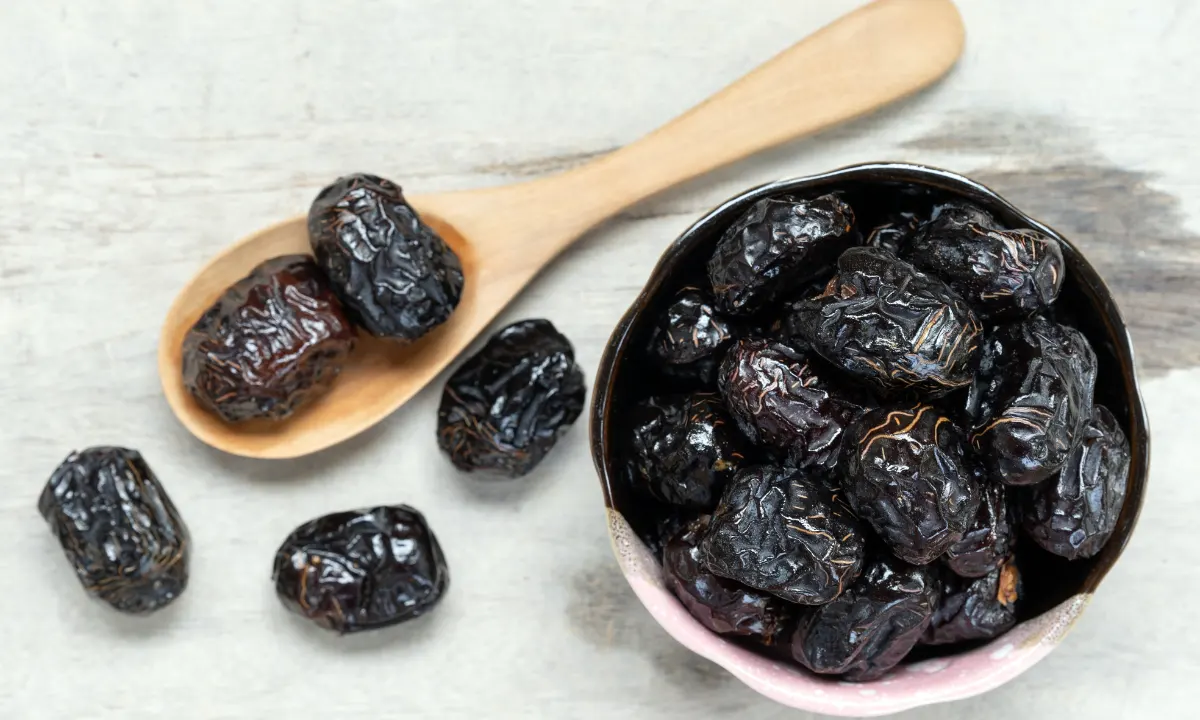
Ajwa dates are often discussed in two very different ways: as a nutritious food and as a date with a special place in Islamic tradition. That combination can make it difficult to separate established nutritional facts from claims that are repeated online without enough evidence. Ajwa dates, also known as Ajwa Khajoor, are a dark, soft date variety associated with Al-Madinah in Saudi Arabia. They provide carbohydrates, natural sugars, dietary fiber, minerals and plant compounds, making them a useful food to include in a balanced diet. Their religious importance comes from Prophetic tradition and should be discussed separately from what modern nutrition research can confirm.
What Are Ajwa Dates?
Ajwa dates are a variety of date fruit from the date palm, Phoenix dactylifera. They are strongly associated with Al-Madinah Al-Munawwarah in Saudi Arabia, where Ajwa has long been cultivated. Official Saudi information describes Ajwa as a distinctive local date variety known for its dark appearance and characteristic taste. Unlike large, fleshy dates such as Medjool, Ajwa are generally smaller and have a soft, chewy texture with a deep brown to nearly black color.
Where Do Ajwa Dates Come From?
Authentic Ajwa dates are closely linked with the Madinah region of Saudi Arabia. This geographic connection is a major part of their identity and helps explain why consumers often search for terms such as “Ajwa dates from Medina” or “Madinah Ajwa dates.” Date palms thrive in the hot, dry conditions of the Arabian Peninsula, and Saudi Arabia has a long history of date cultivation across different regions. Ajwa stands apart because of its particularly strong association with Madinah and its place in Islamic heritage.
What Do Ajwa Dates Look and Taste Like?
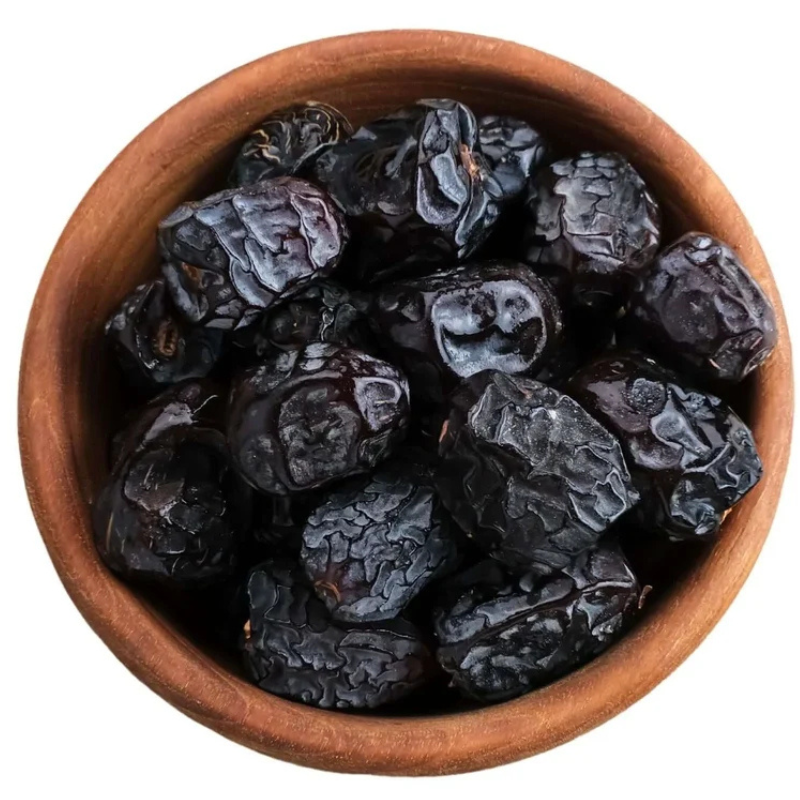
Ajwa dates are usually small to medium in size, dark brown to almost black, and slightly wrinkled on the surface. Their texture is soft and chewy rather than very firm, while the flavor is generally less intensely sweet than some larger varieties. Many people describe Ajwa as having a mild sweetness with earthy, dried-fruit notes. These characteristics make them easy to eat on their own and suitable for snack plates, breakfast dishes and traditional serving styles.
How Are Ajwa Dates Different From Other Date Varieties?
All dates come from the same species, but varieties can differ considerably in size, color, moisture, sweetness, texture and growing region. Ajwa are valued for their distinctive dark appearance, soft texture, Madinah origin and cultural significance. Medjool dates are typically larger and meatier, Deglet Noor is known for a lighter color and firmer texture, while varieties such as Sukkari and Khudri are also popular in Saudi Arabia. Nutritional values can vary between varieties, so a claim made about one date should not automatically be applied to every type.
Ajwa Dates Nutrition: What Is in Them?
The nutritional value of Ajwa dates is one of the main reasons they have become popular beyond their traditional role. Like other date fruits, Ajwa provide carbohydrates, natural sugars, dietary fiber and several minerals. Dates also contain plant compounds such as phenolic compounds and flavonoids. The exact nutrient content depends on the variety, ripeness, moisture level and processing method, so figures should always be interpreted in relation to the serving size and product being eaten.
Calories, Carbohydrates and Natural Sugar
Dates are naturally energy-dense because a large proportion of their edible portion consists of carbohydrates. These carbohydrates include naturally occurring sugars such as glucose and fructose, which provide readily available energy. That makes Ajwa dates convenient as a snack before physical activity or during a busy day, but it also means portion size matters. Calling the sugar “natural” does not make it calorie-free or mean it has no effect on blood glucose.
Fiber and Protein
Dietary fiber is one of the more useful nutritional features of date fruit. Fiber contributes to normal digestive function and helps add bulk to the diet. Dates contain much more fiber than many refined sweet foods, although they should still be considered a carbohydrate-rich food. Their protein content is relatively small, so pairing Ajwa dates with foods such as yogurt, milk or nuts can create a more balanced snack.
Minerals in Ajwa Dates
Date fruit contains several minerals that support normal body functions. These include potassium, magnesium, calcium, phosphorus and iron, with the exact amounts varying by variety and growing conditions. Potassium is involved in fluid balance, nerve signaling and normal muscle function. Magnesium contributes to hundreds of biochemical reactions, while calcium and phosphorus are important for bones and teeth. The presence of these minerals adds nutritional value, but eating Ajwa dates should still be viewed as part of the whole diet rather than as a replacement for other nutrient-rich foods.
Vitamins and Plant Compounds
Dates contain B-group vitamins in varying amounts and also provide a range of phytochemicals. Research on date fruit has identified polyphenols, phenolic acids, flavonoids, carotenoids and other plant compounds. These substances are of interest because of their antioxidant activity and possible biological effects. However, laboratory findings do not automatically mean that eating a particular amount of Ajwa dates will prevent or treat a specific disease. Recent research reviews stress that many reported biological effects of date fruit still rely on laboratory or animal studies rather than strong human trials.
Ajwa Dates Nutrition at a Glance
What Are the Health Benefits of Ajwa Dates?
The health value of Ajwa dates comes mainly from their nutritional composition. They can contribute fiber, minerals, carbohydrates and plant compounds to the diet, but they should not be treated as a medicine. Research into date fruit is promising in several areas, yet evidence varies greatly depending on whether a study involves whole fruit, extracts, seeds, laboratory models, animals or human participants. A recent critical review found that many biological effects reported for date palm fruit still have limited human evidence.
1. Ajwa Dates Support Normal Digestive Function
The fiber in Ajwa dates can support normal digestion and bowel regularity. Dietary fiber adds bulk to stool and forms part of a healthy eating pattern that supports regular bowel movements. This can make dates a practical option for people who want to increase their intake of fiber-rich foods. However, suddenly eating a large quantity of dates can cause gas or digestive discomfort in people who are not used to much fiber, so increasing intake gradually is sensible.
2. Ajwa Dates Provide a Convenient Source of Energy
Ajwa dates contain carbohydrates and natural sugars that can provide readily available energy. This is useful when you need a portable snack before exercise, during a long day or between meals. They are especially convenient because they require no preparation and can be combined with nuts, yogurt or milk when a more filling snack is preferred. Their energy value is also why it is better to treat them as a portioned food rather than an unlimited snack.
3. Ajwa Dates Can Contribute to a Heart-Healthy Diet
Potassium, magnesium and fiber all have recognized roles in a healthy dietary pattern that supports cardiovascular health. Research on date fruit has also examined possible effects on blood pressure, blood lipids and oxidative stress. A 2025 review reported promising findings from clinical studies involving dates and cardiovascular health, while also pointing out the differences between cultivars and the need for more standardized human research. Eating Ajwa dates does not mean a person can prevent or treat heart disease through dates alone. Heart health depends on factors such as overall diet, physical activity, blood pressure, cholesterol, smoking status, sleep and existing medical conditions. Ajwa can fit into that broader healthy pattern, but it should not replace medical care or prescribed treatment.
4. Their Plant Compounds Provide Antioxidant Activity
Ajwa dates contain phenolic and other bioactive compounds that have shown antioxidant activity in research. Antioxidants can help neutralize reactive molecules involved in oxidative processes. This is one reason date fruit continues to attract research interest. At the same time, there is an important difference between measuring antioxidant activity in a laboratory and proving that eating Ajwa dates prevents a specific human disease. Current reviews support the presence of these compounds but also highlight the limited nature of many clinical findings.
5. They Provide Minerals Important for Bone Health
Calcium, phosphorus and magnesium are involved in maintaining normal bones and teeth. Ajwa dates contribute some of these minerals, which makes them a useful addition to a varied diet. They are not, however, a complete bone-health solution. Adequate protein, calcium, vitamin D, physical activity and overall nutrition all matter. Someone at risk of osteoporosis should follow appropriate medical and dietary advice rather than relying on dates as a treatment.
6. Ajwa Dates Can Replace Some Refined Sweet Foods
One practical benefit of whole Ajwa dates is their ability to provide sweetness along with fiber and micronutrients. They can be chopped into porridge, blended into smoothies or used in homemade snack recipes. This can make them a useful alternative to highly refined sweets in some meals. The distinction matters: replacing refined sugar with a whole date may improve the nutritional profile of a snack, but dates still contain substantial natural sugar and calories.
Ajwa Dates and Blood Sugar: What Should You Know?
Blood sugar is one of the areas where online content can become misleading. Ajwa dates contain naturally occurring sugars and carbohydrates, so eating them can raise blood glucose. At the same time, whole dates also contain fiber and other components that distinguish them from pure refined sugar. The effect of a serving depends on portion size, the rest of the meal and a person's individual metabolic response.
Do Ajwa Dates Raise Blood Sugar?
Yes. Ajwa dates contain carbohydrates and natural sugars, so they can increase blood glucose after eating. The fact that the sugar comes naturally from fruit does not remove its effect on blood sugar. This is especially important for people who count carbohydrates or monitor glucose levels.
Can People With Diabetes Eat Ajwa Dates?
Some people with diabetes may be able to include dates in their diet, but the appropriate amount depends on their overall meal plan, medication, glucose response and individual health needs. Portion control is more useful than assuming that all dates are either completely safe or completely unsuitable. Anyone managing diabetes should use their own clinician's or dietitian's guidance when deciding how dates fit into their diet.
Are Ajwa Dates Low in Sugar?
Ajwa dates should not be described as a low-sugar food. They contain natural sugars as part of their carbohydrate content. Their advantage is that they are a whole fruit containing fiber and minerals rather than an isolated refined sweetener. That still leaves portion size important.
Ajwa Dates in Islam: Why Are They Called Holy Dates?
Ajwa dates have a religious and cultural significance that goes beyond their nutritional profile. Their association with Prophet Muhammad ﷺ, Madinah and Hadith is one of the main reasons they are highly valued by Muslims around the world. Terms such as “Holy Dates” or “sacred dates” are used to describe this cultural and religious importance, but these expressions should not be confused with scientific classifications.
The Connection Between Ajwa Dates and Madinah
Ajwa dates are strongly identified with Al-Madinah Al-Munawwarah, giving them a distinctive place within Saudi Arabia's date heritage. For many Muslims, buying and eating Ajwa is connected with affection for Madinah as well as appreciation of Prophetic tradition. This cultural context is a major part of the reason Ajwa dates remain in demand far beyond their region of cultivation.
What Does the Hadith Say About Seven Ajwa Dates?
A well-known narration in Sahih al-Bukhari states that whoever eats seven Ajwa dates in the morning will not be affected by poison or magic on that day. The report is found in the Book of Food and also in the Book of Medicine. This statement should be presented faithfully as a Hadith-based religious teaching, rather than rewritten as a modern medical claim. Scientific studies on date fruit do not provide a basis for saying that eating seven Ajwa dates functions as a proven medical shield against poison or disease.
What Does “Seven Ajwa Dates” Mean?
The number seven comes from the reported Prophetic tradition. For Muslims who follow this Sunnah, eating seven Ajwa dates in the morning can have religious significance. From a nutrition perspective, however, seven should not be described as a universally required daily dose for every person. Religious practice and individualized nutritional requirements are different questions, and keeping that distinction clear makes the information more accurate.
How Many Ajwa Dates Should You Eat a Day?
There is no single medical serving size that applies to every person eating Ajwa dates. The right amount depends on a person's total calorie needs, carbohydrate intake, activity level and wider diet. Someone using dates as an occasional snack may choose a smaller serving, while another person may include them as part of breakfast or exercise nutrition. For people interested in the tradition of seven Ajwa dates, that number relates to the Hadith described above. It should not automatically be presented as a medical prescription or as the ideal nutritional serving for every individual.
When Is the Best Time to Eat Ajwa Dates?
There is no universal time that makes Ajwa dates healthier than at another time of day. What matters more is how they fit into the person's overall diet. Because they provide carbohydrates, they can be useful at breakfast, as a snack between meals or before physical activity. People monitoring blood glucose or total carbohydrate intake may prefer to include them as part of a planned meal or snack.
Eating Ajwa Dates in the Morning
Morning is particularly significant from a traditional perspective because of the Hadith describing seven Ajwa dates eaten in the morning. From a nutrition perspective, dates can also work well at breakfast because their carbohydrates provide energy. They can be eaten with yogurt, oats, milk or nuts rather than consumed alone if a more balanced meal is preferred.
Ajwa Dates Before Exercise
Ajwa dates can provide readily available carbohydrates before physical activity. A small portion may be convenient for someone who wants a quick snack without a heavy meal. Individual tolerance matters, especially before intense exercise, so it is useful to choose a quantity that feels comfortable rather than eating a large serving immediately before training.
Ajwa Dates Between Meals
A few dates can work as an afternoon snack, especially when paired with nuts or yogurt. Combining carbohydrates with protein or healthy fats can make the snack more filling and may help prevent the urge to keep reaching for sweet foods.
Can You Eat Ajwa Dates Before Bed?
Yes, they can be eaten in the evening if they fit your diet, but there is no established rule saying that Ajwa dates must be eaten before sleep for a special health effect. Claims that dates automatically improve sleep because they contain magnesium or other compounds should be treated carefully unless supported by human evidence.
Practical Ways to Eat Ajwa Dates
Ajwa dates are easy to include in everyday meals, which is one reason they remain popular as both a traditional food and a modern snack. They can be eaten whole after removing the pit, chopped into breakfast dishes, blended into drinks or incorporated into desserts.
Eat Ajwa Dates as a Snack
The simplest option is to eat them on their own. Their natural sweetness makes them convenient when you want something sweet without relying on a highly processed confection. Portion size still matters because dates are concentrated in carbohydrates and calories.
Pair Ajwa Dates With Nuts and Yogurt
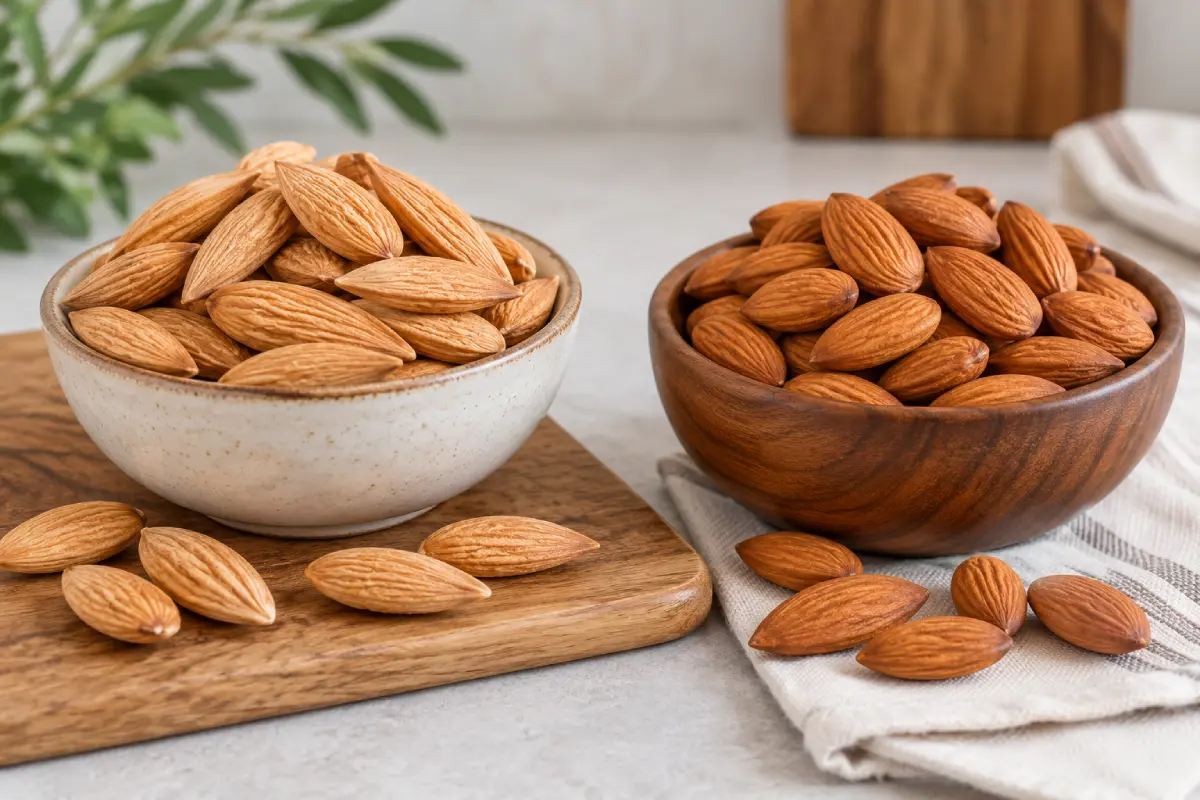
Almonds, walnuts and other nuts add protein, fats and texture, while yogurt can contribute protein and calcium. This makes a more balanced snack than relying on several dates alone.
Add Ajwa Dates to Smoothies
Ajwa dates can be blended with milk or yogurt, fruit and other ingredients to add sweetness. Because dates are sticky, removing the pits and cutting them into smaller pieces can make blending easier.
Serve Ajwa Dates With Arabic Coffee
Dates and Arabic coffee have a long-standing place in hospitality across the Arabian Peninsula. Serving Ajwa with Arabic coffee is a simple way to enjoy them in a traditional setting while keeping the food at the center of the experience.
Use Ajwa Dates in Desserts and Baking
Chopped dates or date paste can be added to energy bites, oat bars, cakes, cookies and other recipes. Their sweetness can help reduce the need for additional sugar in some homemade recipes, although the final recipe can still be calorie-dense.
Use Date Syrup or Date Paste as a Sweetener
Date syrup, sometimes called Dibs, and date paste are increasingly used as ingredients in home cooking. Whole dates generally retain more of the fruit's structure and fiber than a filtered sweetener, so these forms should not be assumed to have the same nutritional properties as whole fruit.
Ajwa Dates vs Medjool, Deglet Noor, Sukkari and Khudri
Choosing a date variety often comes down to taste, texture, size and origin rather than one variety being universally better than another. Ajwa has a particularly strong cultural connection with Madinah, while other varieties are valued for their own sensory characteristics.
Nutritional differences between varieties should be interpreted carefully because moisture, ripeness, cultivation conditions and serving size can affect the final values.
Ajwa Dates During Pregnancy: What Does the Evidence Say?
Dates are sometimes promoted online as a food that can make labor easier or induce childbirth. The evidence needs more care than that. Research has examined the relationship between date fruit consumption during pregnancy and labor or delivery outcomes, and some systematic reviews have reported possible improvements in certain measures. However, these studies generally concern date fruit as a category and do not establish that Ajwa specifically guarantees an easier labor or acts as a labor-inducing treatment. For pregnancy nutrition, Ajwa dates can provide carbohydrates, fiber and minerals as part of a balanced eating pattern. Pregnant women should still follow guidance from their healthcare professional, particularly if they have diabetes, are monitoring blood sugar or have been advised to limit particular foods.
Are There Any Side Effects or Precautions With Ajwa Dates?
Ajwa dates are a normal food for most people, but eating a large amount can create practical dietary issues. Because dates contain concentrated carbohydrates, natural sugars and calories, very large servings may contribute more energy than intended. Their fiber content can also cause bloating or digestive discomfort if intake increases suddenly. People who manage diabetes should pay attention to serving size and glucose response. People trying to reduce calorie intake should remember that dried fruit is much more concentrated than many fresh fruits. Good dental care is also useful because dates are sticky and contain sugars that can remain on the teeth. The safest approach is to enjoy Ajwa as part of a varied diet rather than treating it as a replacement for medical treatment.
How to Choose Authentic, High-Quality Ajwa Dates
Quality matters particularly for consumers searching for Ajwa dates from Medina or premium Ajwa products. A good product listing should make its origin, packaging and storage information clear rather than relying only on words such as “premium” or “pure.”
Check the Origin
Look for clear sourcing information. Because Ajwa has a strong association with Al-Madinah, transparent origin information helps consumers understand what they are purchasing.
Examine Appearance and Texture
Quality dates should have an appearance appropriate to the variety, with a natural dark color and soft or chewy texture. Avoid packs showing visible mold, unusual odors or signs of severe spoilage.
Check Packaging and Product Information
Look for the product weight, storage instructions, ingredient information and seller details. Reliable food retailers should make this information easy to find.
Why Source Transparency Matters
A clear product description gives buyers a better basis for comparing Ajwa products. New Day Naturals have Ajwa Dates as a dedicated product and offering hand-picked, naturally sun-dried Ajwa with delivery across the UAE.
For UAE shoppers who want to add Ajwa to their regular food supply, this kind of product information is more useful than relying on unsupported health promises. A product page should help customers understand what they are buying, where it comes from and how it can fit into their diet.
How to Store Ajwa Dates
Proper storage helps preserve the texture and quality of dates. Keep unopened products according to the instructions provided on the packaging. Once opened, placing the dates in a clean, airtight container can help protect them from excess moisture and odors. Refrigeration can be useful for longer storage, particularly in warm climates such as the UAE, although the ideal method depends on the product and its packaging. Before eating stored dates, check their smell, appearance and texture. Any clear sign of mold or spoilage is a reason to discard them.
What Does Scientific Research Say About Ajwa Dates?
Scientific interest in Ajwa and date fruit has grown because researchers have identified a broad range of nutrients and phytochemicals in the fruit. Studies have examined antioxidant activity, metabolic effects, cardiovascular markers and other possible biological actions. A 2025 review described date fruit as rich in dietary fiber, minerals and phytochemicals, but emphasized that a large portion of the evidence still comes from experimental studies rather than strong human clinical trials.
That matters because a laboratory finding is not the same as a proven benefit from eating ordinary portions of whole Ajwa dates. Research involving extracts, concentrated preparations or date pits also cannot automatically be used to make claims about eating the whole fruit. The strongest practical conclusion is simple: Ajwa dates are a nutrient-rich food with an interesting phytochemical profile, while research into specific therapeutic effects is still developing.
Common Questions and Misconceptions About Ajwa Dates
Are Ajwa Dates a Superfood?
“Superfood” is a marketing term rather than a scientific category. Ajwa dates are certainly nutrient-rich and can contribute fiber, minerals, carbohydrates and plant compounds to the diet, but they do not replace a varied eating pattern.
Do Seven Ajwa Dates Prevent Disease?
The statement about seven Ajwa dates comes from a Hadith and has religious significance for Muslims. It should not be rewritten as a modern medical claim that seven dates prevent disease. The religious tradition and scientific evidence belong in their proper contexts.
Do Ajwa Dates Cure Diabetes?
No food should be presented as a cure for diabetes. Ajwa dates contain natural sugars and can be included in some diets, but diabetes management requires an individualized plan.
Do Ajwa Dates Prevent Cancer?
Research on date fruit has explored antioxidant and other biological activity, but that does not establish that eating Ajwa dates prevents cancer in humans. Claims of cancer prevention require strong clinical evidence that is currently not available for ordinary Ajwa consumption.
Are Ajwa Dates Better Than Other Dates?
Ajwa may be the preferred choice for someone who values its Madinah origin, flavor and Islamic significance. Medjool, Deglet Noor, Sukkari and Khudri each have their own characteristics. “Best” depends on what the buyer wants from a date.
Frequently Asked Questions About Ajwa Dates
What Are the Main Benefits of Ajwa Dates?
Ajwa dates provide carbohydrates, dietary fiber, minerals and plant compounds. They can support normal digestive function, provide convenient energy and contribute useful nutrients to a balanced diet. Specific disease-prevention claims require stronger evidence.
Why Are Ajwa Dates Important in Islam?
Ajwa dates have a special place in Islamic tradition because they are mentioned in Prophetic Hadith. Their connection with Madinah also adds to their cultural significance.
How Many Ajwa Dates Should You Eat Daily?
There is no universal medical requirement for a specific number of Ajwa dates each day. The appropriate amount depends on the person's diet, calorie needs, carbohydrate intake and health situation. Seven Ajwa dates have a specific place in the reported Hadith, which is a religious matter rather than a universal nutritional prescription.
Can People With Diabetes Eat Ajwa Dates?
Some people with diabetes may include dates in a carefully planned diet, but portion size and individual blood-glucose response matter. Dates still contain carbohydrates and natural sugars.
Are Ajwa Dates Good During Pregnancy?
Dates can contribute carbohydrates, fiber and minerals during pregnancy, and studies have explored possible effects of date consumption on labor outcomes. However, the evidence does not establish Ajwa dates as a guaranteed way to induce labor or make childbirth easier. Pregnant women should follow their healthcare professional's advice.
Final Thoughts: Why Ajwa Dates Remain So Popular
Ajwa dates bring together three things that explain their lasting appeal: nutrition, everyday usefulness and traditional importance. As a food, they provide carbohydrates, dietary fiber, minerals and plant compounds that can contribute to a balanced diet. They are easy to eat as a snack, pair well with nuts and dairy, work in smoothies and desserts, and fit naturally into traditional food settings such as serving dates with Arabic coffee. Their place in Islam is a separate and equally important part of their identity. The Hadith concerning seven Ajwa dates is a matter of Prophetic tradition and should be presented faithfully rather than turned into a modern medical promise. At the same time, scientific research continues to examine the nutritional and bioactive properties of dates, with promising findings alongside clear gaps in human evidence. For shoppers in the UAE, choosing a product with clear sourcing, quality information and appropriate storage guidance is just as important as understanding the potential nutritional value. New Day Naturals offers Ajwa Dates as part of its date selection, giving customers a convenient option for adding this traditional Madinah-associated fruit to their home pantry.
Recent Posts