
Desi Ghee vs Butter: Which Is Better for Cooking?
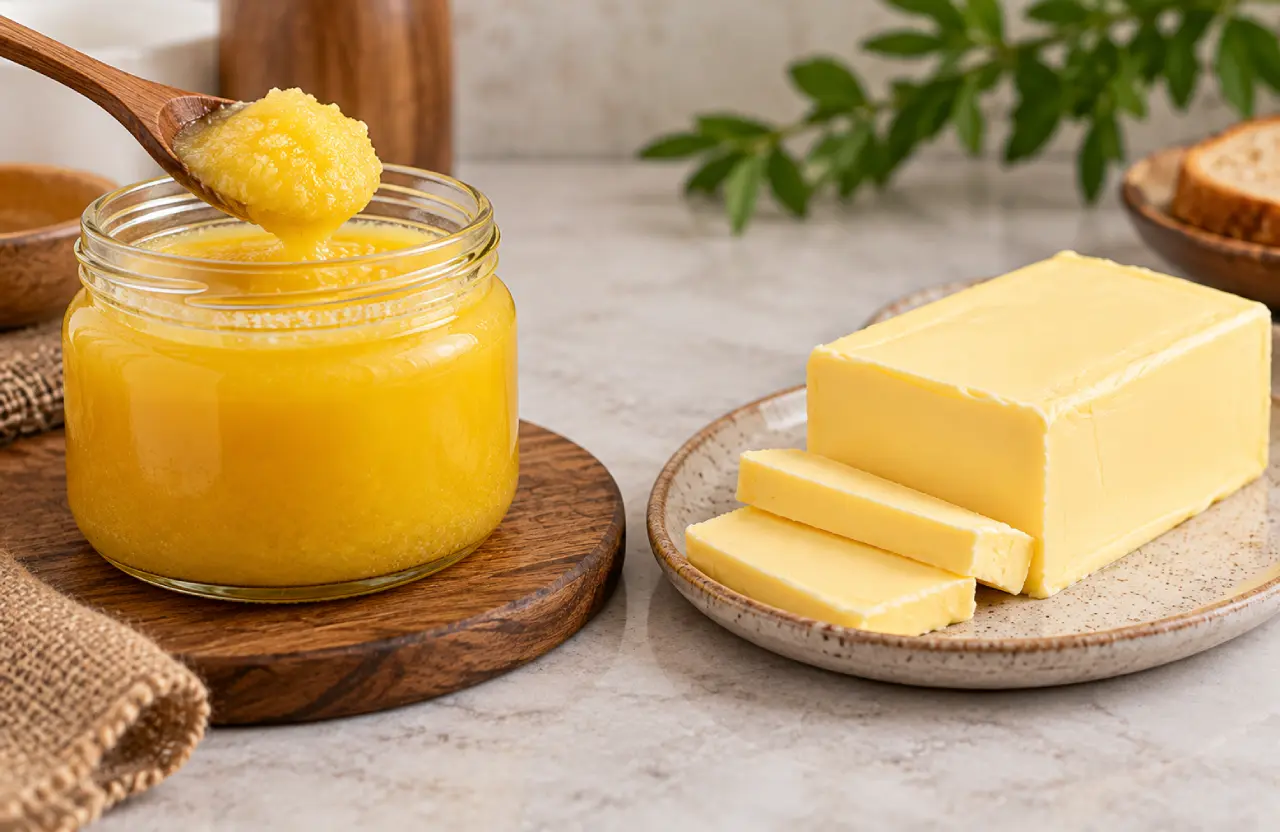
You're preparing a meal and can't decide whether to use desi ghee or butter. Both add flavor, but will they give you the same results? The desi ghee vs butter comparison matters because these dairy fats behave differently during cooking. Desi ghee generally works better for higher-heat cooking, such as making parathas or frying spices, while butter is often better for baking, spreading, and gentle cooking. Neither is automatically healthier than the other. The right choice depends on what you're cooking, the flavor you prefer, and how much you use.
What Is Desi Ghee?
Desi ghee is a type of clarified butter commonly used in Pakistani, Indian, and other South Asian cooking. It is made by slowly heating butter until most of the water evaporates and the milk solids separate from the fat. The remaining golden fat is then filtered to produce ghee. Traditional preparation may begin with cultured curd that is churned into butter before heating. This process gives desi ghee its rich, slightly nutty taste and pleasant aroma. It is commonly used in parathas, dal, curries, rice, and traditional sweets. Because most of the water and milk solids are removed, ghee also behaves differently from regular butter when heated.
What Is Butter?
Butter is a dairy product made by churning cream until the butterfat separates from the liquid. It usually contains around 80–82% fat, along with water and small amounts of milk solids. These ingredients give butter its creamy texture, mild flavor, and smooth consistency. Butter is commonly used for spreading on bread, baking cakes and cookies, and preparing sauces. Some varieties, such as cultured butter, are made from cultured cream and have a slightly tangy flavor. Both salted and unsalted butter are available, giving home cooks different options depending on the recipe.
Desi Ghee vs Butter: What Are the Main Differences?
The biggest difference between desi ghee and butter is how they are made. Ghee contains almost entirely milk fat because most water and milk solids are removed during preparation. Butter keeps these components, giving it a creamy texture and a lower smoke point. This difference affects their flavor, cooking uses, and storage.
Here's a simple comparison:
Removing water and most milk solids helps ghee tolerate higher cooking temperatures. Butter contains milk solids that can brown and eventually burn as the pan gets hotter. However, both can be useful in everyday cooking when used for the right dishes.
Which Is Better for Everyday Cooking: Ghee or Butter?
Desi ghee is generally a better choice for cooking at higher temperatures, while butter works well for lower-heat dishes and baking. The difference becomes more noticeable when you're cooking on a hot pan or preparing food that needs a particular texture. The key is understanding how each fat behaves during cooking rather than using one for every recipe.
When to Use Desi Ghee for Cooking
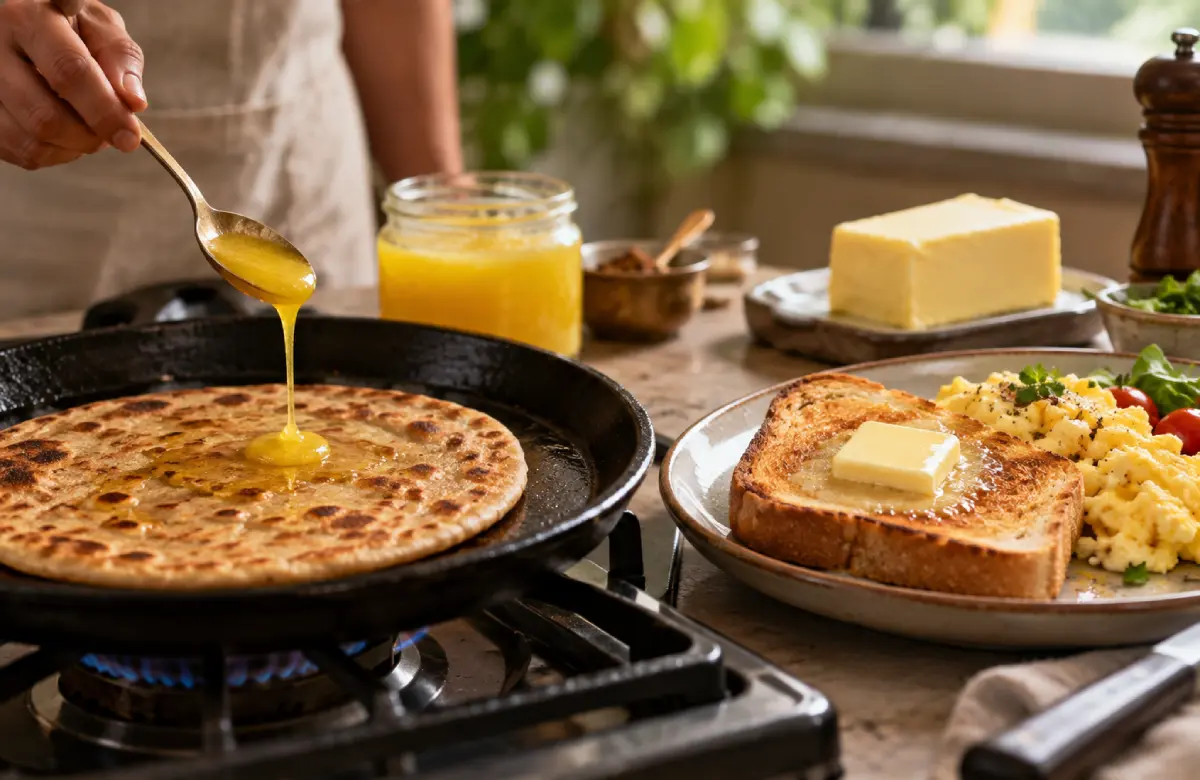
Desi ghee has a higher smoke point than ordinary butter. The smoke point is the temperature at which a cooking fat starts producing visible smoke. Because ghee contains very little water and fewer milk solids, it can handle relatively high cooking temperatures without burning as quickly as butter.
It works particularly well for common South Asian dishes, including:
Parathas: Adds a rich taste while cooking on a hot pan.
Dal tadka: Helps release the flavor of spices when heated.
Curries: Adds a nutty aroma and richness to the finished dish.
Vegetables: Works well for sautéing vegetables and spices.
Rice dishes: A small amount can add flavor to pulao or plain rice.
For example, when making dal tadka, you can heat a little ghee, add cumin seeds or other spices, and pour the mixture over cooked dal. The ghee carries the spice flavors into the dish.
Although ghee tolerates higher heat than butter, it can still smoke or burn if overheated. Use a suitable cooking temperature rather than heating it until it produces heavy smoke.
When to Use Butter for Cooking and Baking
Butter works well when you want a creamy flavor or need moisture in a recipe. It contains water and milk solids, which help create the texture and browning found in many baked foods. This makes butter particularly useful for cakes, cookies, and pastries. You can also use butter for cooking eggs over gentle heat, preparing creamy sauces, or adding flavor to vegetables. A small amount melted over warm bread or toast gives a smooth, familiar taste.
For example, butter is often a better choice for cookies because its water and fat content affect how the dough spreads and sets during baking. Using ghee instead may change the finished texture. Butter can also be used for curries and other savory meals. However, if you're cooking over high heat, its milk solids may brown or burn before the food is ready.
Is Desi Ghee Healthier Than Butter?
Desi ghee is not automatically healthier than butter. Both contain saturated fat and provide a concentrated source of calories. Ghee generally has more fat and calories per tablespoon because most of its water has been removed. Your overall diet and the amount you use matter more than choosing one dairy fat over the other. Both can add flavor to meals, but neither needs to be the main cooking fat in every dish.
Ghee vs Butter: Calories and Saturated Fat
Ghee and butter contain saturated and unsaturated fats, along with small amounts of naturally occurring nutrients. However, their fat concentration is different. The table below compares approximately one tablespoon of each, based on USDA food-composition data.
Ghee contains more calories and saturated fat per tablespoon because it is more concentrated. Butter has slightly less fat because part of its weight comes from water. Both also contain some unsaturated fats and vitamin A, but that doesn't make either a low-fat food.
According to the American Heart Association, eating too much saturated fat can increase LDL, often called bad cholesterol. Replacing some saturated fat with unsaturated fats, such as those found in olive oil, can support heart health. For everyday meals, use ghee or butter in reasonable amounts rather than adding extra simply because one is marketed as healthier.
Does Ghee Contain Less Lactose Than Butter?
Yes, ghee generally contains much less lactose than butter. Lactose is the natural sugar found in milk. During ghee preparation, most of the water and milk solids are removed, leaving very little lactose in the finished product. Some people with lactose intolerance may tolerate ghee better than butter. However, the remaining amount can vary depending on how the ghee is prepared.
Ghee may also contain traces of milk proteins, including casein and whey proteins. This matters because lactose intolerance and milk allergy are different conditions. People with a milk protein allergy should not assume ghee is safe, even if it contains very little lactose. Both ghee and butter are dairy products, so checking ingredients and seeking appropriate medical advice is important for anyone with a known milk allergy.
How Should You Store Desi Ghee and Butter in Dubai?
Dubai's warm weather makes proper dairy storage important, especially during summer. Butter and ghee have different storage needs because they contain different amounts of moisture. Butter should normally be refrigerated in its original packaging or a covered container. Keeping it cold helps maintain its texture and protects it from spoilage. Avoid leaving it on the kitchen counter for extended periods, particularly in hot weather.
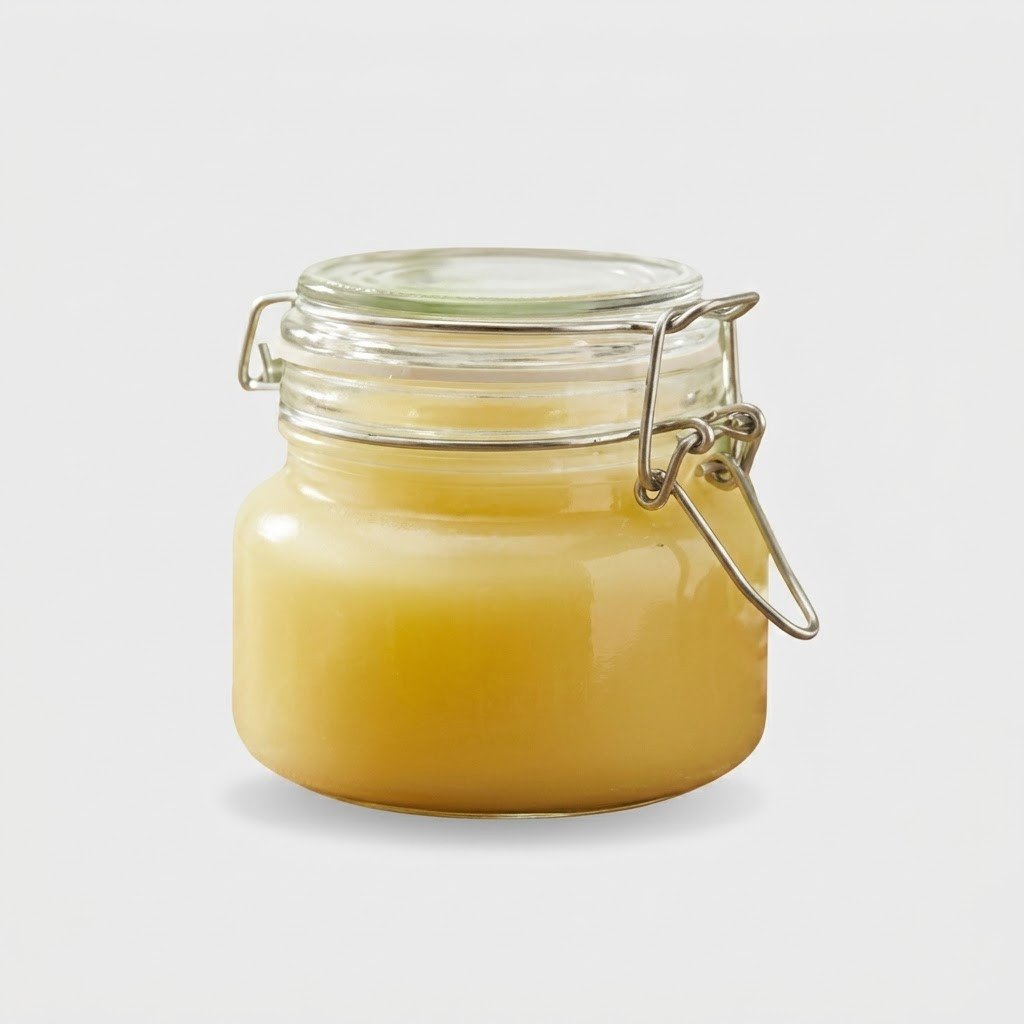
Desi ghee usually has a longer shelf life because it contains very little water. Some properly prepared and packaged ghee can be stored at room temperature, but storage requirements vary by product. Keep the container tightly closed, protect it from direct sunlight and heat, and always use a clean, dry spoon. For both products, follow the storage instructions and best-before date on the packaging. If either develops an unusual rancid smell, visible mold, or other signs of spoilage, discard it.
Buy Desi Ghee and Butter Online in Dubai
Whether you're preparing parathas for breakfast or baking something at home, choosing the right dairy fat can make cooking easier. At New Day Naturals, you can explore both desi ghee and butter for your everyday kitchen needs. Our A2 Desi Cow Ghee is listed in 500g and 1-liter options. Made using the traditional Bilona method described on its product page, it is a suitable choice for adding a rich, nutty flavor to parathas, dal, curries, and rice dishes.
If you prefer butter for baking or spreading, explore our Organic Cultured Butter. It has a creamy texture and can be used for cakes, cookies, toast, and other everyday recipes. The available purchase options include 250g and 500g packs. Visit New Day Naturals to compare product details, check current prices, and choose the option that suits your cooking needs in Dubai.
Frequently Asked Questions About Desi Ghee and Butter
Can You Replace Butter With Ghee in Baking?
Yes, you can use ghee instead of butter in some baking recipes. However, ghee contains much less water, so cakes and cookies may have a different texture. For the best results, follow a recipe that includes ghee or adjust the ingredients carefully.
What Is A2 Desi Cow Ghee?
A2 Desi Cow Ghee is made from milk containing the A2 type of beta-casein protein. Most milk proteins are removed during ghee preparation. The A2 label describes the source milk, but it does not automatically mean the finished ghee is healthier than regular ghee.
What Is Bilona Ghee?
Bilona ghee is made using a traditional method. Milk is turned into curd, which is churned to separate butter. The butter is then slowly heated to remove water and most milk solids. This process produces ghee with a rich taste and aroma.
Can You Use Salted Butter Instead of Unsalted Butter?
Yes, salted butter works well for cooking eggs, vegetables, and other savory dishes. However, it adds extra salt to your food. Unsalted butter is often better for baking because it gives you more control over the amount of salt in the recipe.
Can You Mix Ghee and Butter While Cooking?
Yes, you can use ghee and butter together in the same dish. Ghee adds a nutty flavor, while butter gives food a creamy taste. For hotter cooking, you can cook with ghee first and add butter later to reduce the chance of burning its milk solids.
Why Does Desi Ghee Become Grainy or Solid?
Desi ghee can become grainy or solid when the temperature drops. This happens because different fats in ghee become solid at different temperatures. It is usually a normal change in texture, not a sign of spoilage. Ghee becomes softer or melts when warmed.
Is Desi Ghee Suitable for a Vegan Diet?
No, desi ghee is not vegan because it comes from dairy butter. Even though most milk solids are removed, it remains an animal-derived product. People following a vegan diet can use plant-based cooking oils, such as olive oil, instead.
Final Thoughts
Desi ghee and butter both have a place in everyday cooking. Ghee is generally better for higher-heat cooking and traditional dishes, while butter works well for baking, spreading, and preparing food over gentle heat. Both contain saturated fat, so the amount you use is important. If you cook different types of meals, keeping both in your kitchen can be practical. Explore the dairy selection at New Day Naturals to find desi ghee and butter for your favorite recipes.
Recent Posts