
Black Seed Oil for Hair: Benefits, Uses and Growth Facts
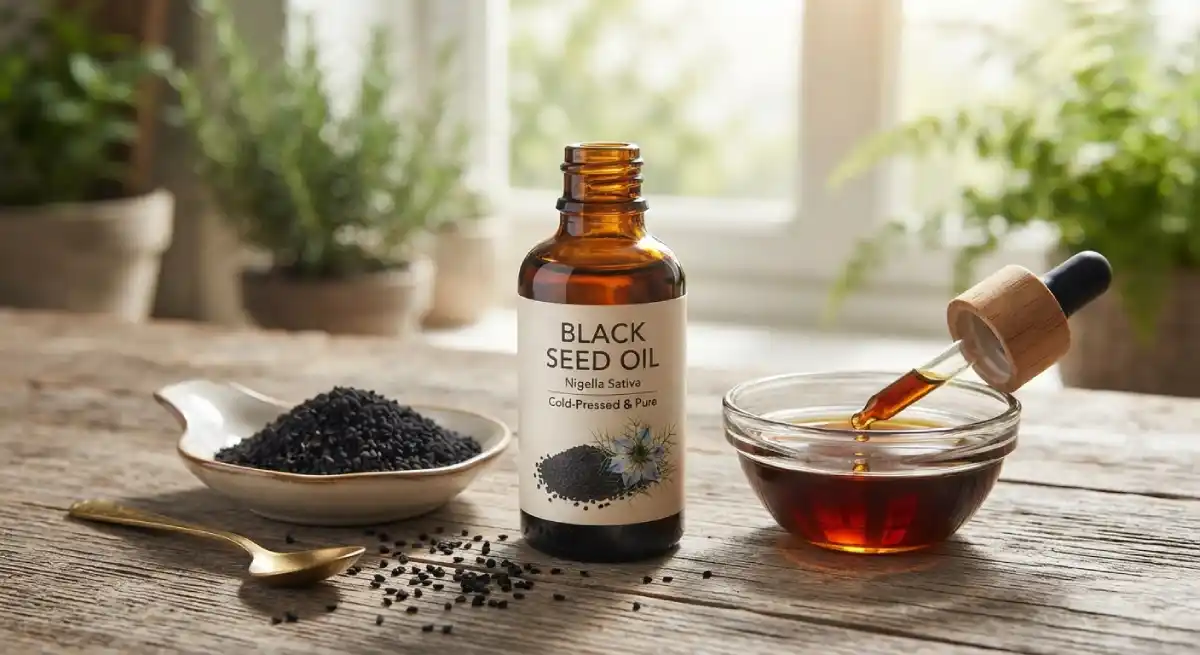
Struggling with dry scalp, rough texture, or breakage doesn't always mean you need expensive products; often, the root cause ties back to moisture imbalances and harsh hair routines. Enter black seed oil (also known as Nigella sativa or kalonji oil), a plant-based remedy rich in natural compounds like thymoquinone, fatty acids, and antioxidants that have been trusted across cultures for wellness and personal care. While it won't reverse pattern baldness or cure severe hair loss, incorporating this traditional oil into your regimen can effectively boost scalp moisture, improve softness, and support an overall healthier hair condition.
What Is Black Seed Oil?
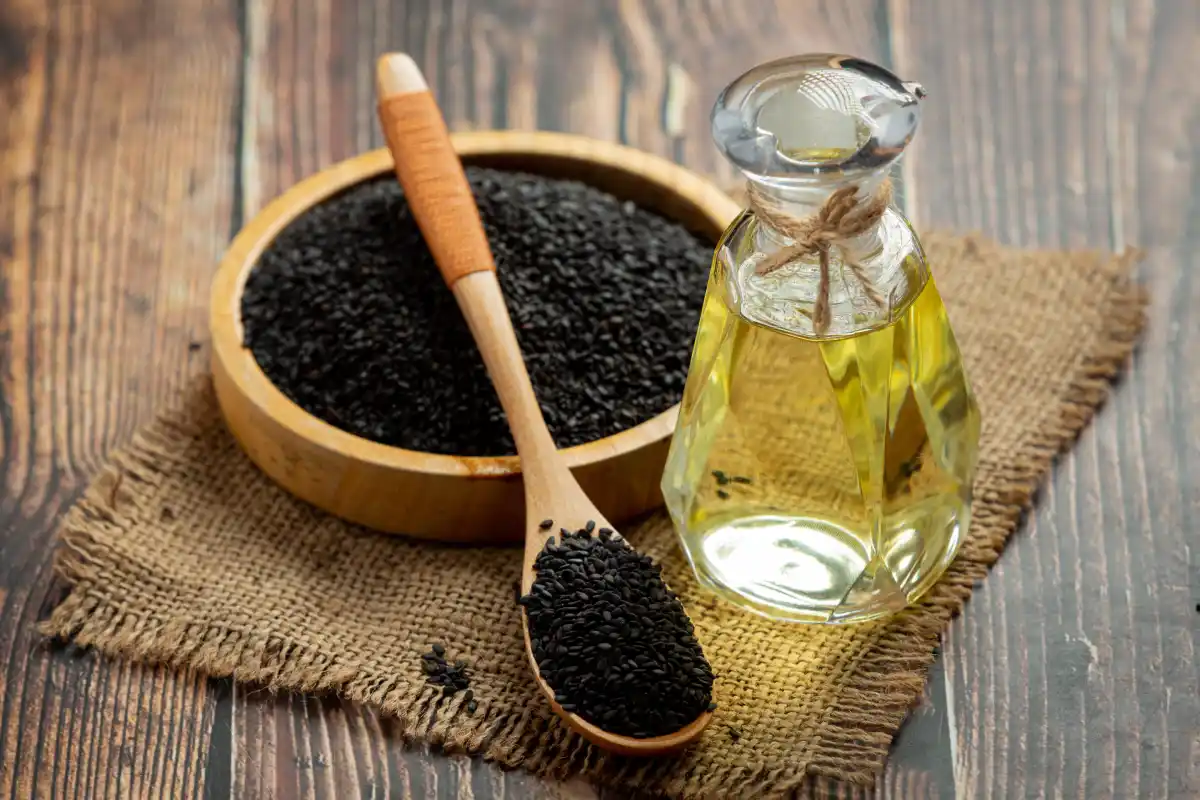
Black seed oil is a natural oil extracted from the small black seeds of the Nigella sativa plant. It is also known as black cumin seed oil, black caraway oil, or kalonji oil in South Asian regions. The seeds come from a flowering plant belonging to the Ranunculaceae family and have been used traditionally in Middle Eastern, Asian, and North African cultures for food, wellness practices, and personal care.
Typically obtained through cold-pressing to preserve its delicate compounds, pure black seed oil is packed with naturally occurring fatty acids, antioxidants, and beneficial plant constituents that make it a favorite for topical care. In hair routines, it is valued primarily for its conditioning properties, helping to coat the hair shaft, lock in moisture, soothe a dry scalp, and transform rough textures into smoother, more manageable strands.
Origin and Extraction of Black Seed Oil
The history of black seed oil goes back thousands of years. The seeds of Nigella sativa have been used traditionally in regions such as the Middle East, South Asia, and North Africa. The plant produces small black seeds that contain natural oils and bioactive compounds.
The extraction method affects the quality and characteristics of the final oil. Cold pressing is one of the common methods used for producing black seed oil because it helps preserve the natural composition of the oil without using chemical extraction processes.
A quality black seed oil product usually focuses on:
For hair care purposes, choosing a pure black seed oil is important because many commercial hair oils are blends containing multiple ingredients. Blended products can still be useful, but knowing the ingredients helps users understand what they are applying to their scalp and hair.
What Makes Black Seed Oil Different From Other Hair Oils?
Many natural oils are used in hair care, but each oil has a different composition and purpose. Coconut oil is known for its ability to reduce protein loss from hair, argan oil is popular for shine and softness, and rosemary oil is often discussed because of research related to hair growth support. Black seed oil stands out because it contains unique plant compounds, especially thymoquinone, along with fatty acids that contribute to its conditioning properties.
Compared with many traditional hair oils, black seed oil provides:
Natural fatty acids that support moisture balance
Antioxidant compounds that protect oil quality
Conditioning benefits for dry-looking hair
Support for a comfortable scalp environment
It is important to understand that natural oils mainly support hair quality and scalp care. They work differently from medical treatments that target specific causes of hair loss.
Nutritional Profile and Active Compounds in Black Seed Oil
The benefits of black seed oil come from its natural chemical composition. The oil contains several compounds that have been studied for antioxidant, soothing, and conditioning properties. These components explain why black seed oil is often included in natural hair care routines. The major components associated with black seed oil include:
Thymoquinone and Antioxidant Properties
Thymoquinone is one of the most researched compounds found in black seed oil. It is a naturally occurring compound that contributes to the oil’s antioxidant properties.
Antioxidants are important because hair and scalp cells can be affected by oxidative stress caused by environmental factors. Factors such as pollution, UV exposure, and harsh hair products may affect the overall condition of hair and scalp.
In hair care, thymoquinone is mainly discussed because it may support:
A balanced scalp environment
Protection against oxidative stress
General scalp comfort
However, research on thymoquinone does not mean black seed oil can directly regrow lost hair. The available evidence supports its role as a supportive ingredient rather than a replacement for medical hair treatments.
Fatty Acids That Support Hair Conditioning
Black seed oil contains essential fatty acids, including linoleic acid and oleic acid. These fatty acids play an important role in how the oil feels and performs on hair. Hair strands have an outer protective layer called the cuticle. When hair becomes dry or damaged, the cuticle can become rough, leading to frizz, dullness, and increased breakage.
Fatty acids in black seed oil may help by:
Supporting moisture retention
Making hair feel softer
Improving smoothness
Reducing the appearance of dryness
Because of these properties, black seed oil is often used as a pre-wash treatment or blended with other carrier oils for customized hair care routines.
Benefits of Black Seed Oil for Hair and Scalp
Black seed oil is mainly used in hair care because of its ability to support scalp condition, improve moisture balance, and make hair feel healthier. Healthy hair starts with a healthy scalp because the scalp provides the environment where hair follicles produce new strands. When the scalp becomes too dry, irritated, or unbalanced, it can affect hair comfort and overall appearance. The benefits of black seed oil are mostly related to hair conditioning and scalp support rather than acting as a direct hair loss treatment. Its natural fatty acids, antioxidants, and plant compounds may help improve the look and feel of hair when used as part of a consistent hair care routine.
Helps Maintain Scalp Moisture and Comfort
A dry scalp is one of the common reasons people experience itching, tightness, visible flakes, and uncomfortable hair conditions. The scalp naturally produces sebum, an oil that helps protect the skin and maintain moisture. However, excessive cleansing, harsh products, environmental conditions, or an unbalanced routine can reduce moisture levels.
Black seed oil may help support scalp moisture because it contains fatty acids that can create a protective layer over the skin. This layer may reduce moisture loss and help maintain a more comfortable scalp environment.
For people dealing with dryness, black seed oil may help with:
Supporting scalp hydration
Reducing the feeling of scalp tightness
Improving dry and rough hair texture
Supporting the scalp barrier
A balanced scalp does not mean an oily scalp. The goal is to maintain suitable moisture levels while avoiding excessive product buildup. People with naturally oily scalps should use smaller amounts because too much oil can make the scalp feel heavy.
Improves Hair Texture, Shine, and Manageability
Hair appearance is strongly affected by the condition of the hair shaft and hair cuticle. The hair cuticle is the outer protective layer of each strand. When the cuticle becomes rough because of heat styling, chemical treatments, or dryness, hair can appear dull, frizzy, and difficult to manage.
Black seed oil works mainly as a conditioning ingredient. When applied to the hair shaft, it can create a smooth coating that helps reduce the rough feeling of dry strands.
Regular use may support:
Softer-looking hair
Improved shine
Better hair manageability
Reduced appearance of frizz
Smoother hair texture
The fatty acids in black seed oil help support the moisture balance of the hair strand. This can be especially useful for people with dry or damaged hair who want to improve the appearance of their hair without using heavy styling products.
However, black seed oil does not change the natural structure of hair or permanently repair damaged keratin. Hair damage cannot be reversed completely, but conditioning ingredients can improve how hair looks and feels.
Supports a Healthy Scalp Environment
The scalp is home to a community of microorganisms known as the scalp microbiome. A healthy balance of bacteria and fungi on the scalp supports normal scalp function. When this balance is disturbed, some people may experience dryness, irritation, itching, or flaking.
Black seed oil contains natural compounds, including thymoquinone, that have been studied for antioxidant and antimicrobial properties. These properties are one reason black seed oil is often included in natural scalp care routines.
It may support:
A comfortable scalp environment
General scalp cleanliness
Reduced feelings of dryness
Better scalp care routines
However, it is important to understand the difference between simple dryness and medical scalp conditions.
For example:
Dandruff is often linked with factors such as excess oil production and the activity of Malassezia yeast on the scalp. While natural oils may support scalp comfort, they should not replace treatments recommended for persistent scalp conditions.
Helps Reduce Hair Breakage and Temporary Shedding
Many people confuse hair breakage with hair loss. These problems have different causes. Hair breakage happens when the hair shaft becomes weak and snaps, while hair loss involves the hair follicle releasing or stopping production of hair.
Dryness, heat styling, chemical treatments, and rough handling can weaken the hair cuticle and increase breakage. Black seed oil may help reduce the appearance of damaged hair by improving lubrication and reducing friction between strands.
It may support:
Better hair flexibility
Reduced dryness-related breakage
Improved hair softness
Easier detangling
Temporary hair shedding can happen because of stress, illness, nutritional changes, hormonal changes, or disruptions in the hair growth cycle. Black seed oil may support general scalp care, but it does not treat the underlying causes of conditions such as telogen effluvium.
Understanding the reason behind hair shedding is important. If someone notices sudden shedding, bald patches, or significant thinning, a dermatologist can help identify the cause and recommend suitable treatment options.
Does Black Seed Oil Help With Hair Growth?
The phrase “black seed oil for hair growth” is one of the most searched topics related to this ingredient. Many people want to know whether applying black seed oil can increase hair growth or reverse hair loss. The answer depends on what type of hair problem someone is experiencing. Black seed oil may support conditions that are helpful for healthy-looking hair, such as:
Maintaining scalp moisture
Reducing dryness
Improving hair texture
Supporting a healthy scalp environment
However, there is currently limited evidence that black seed oil can directly stimulate new hair growth or reverse conditions such as pattern baldness.
Understanding Hair Growth and Hair Loss
Hair growth happens through a natural process called the hair growth cycle. This cycle includes different stages:
Hair follicles are affected by many factors, including genetics, hormones, nutrition, and overall health. One common type of hair loss is androgenetic alopecia, also called pattern baldness. This condition is linked with sensitivity to the hormone DHT (dihydrotestosterone), which can gradually shrink hair follicles.
Black seed oil has not been proven to work like medical treatments such as:
Minoxidil
Prescription hair loss medications
Dermatology treatments
These treatments target specific mechanisms involved in hair loss, while black seed oil mainly functions as a natural conditioning and scalp-supporting ingredient.
What Research Says About Black Seed Oil and Hair Health
Scientific interest in Nigella sativa has increased because of its natural compounds, especially thymoquinone and antioxidants. Research has explored different potential uses of black seed extracts and oils, including their effects on inflammation, oxidative stress, and skin health. For hair care, available research suggests that black seed oil may have potential as a supportive ingredient, but more human studies are needed to confirm direct effects on hair growth.
Current understanding:
A realistic approach is to use black seed oil as part of a complete hair care routine rather than expecting it to solve every hair problem.
How to Use Black Seed Oil for Hair
Using black seed oil correctly is important because applying too much oil or using it too frequently can make the scalp feel greasy and may lead to product buildup. Like other natural oils, black seed oil works best when used as a supportive part of a balanced hair care routine. The ideal method depends on your hair type, scalp condition, and personal needs. People with dry hair may benefit from more frequent oil treatments, while those with fine hair or an oily scalp usually need smaller amounts and less frequent application.
A simple black seed oil hair routine usually includes choosing a quality oil, performing a patch test, applying it correctly, and washing it properly after treatment.
Choose the Right Black Seed Oil
Before applying black seed oil to your scalp and hair, selecting a suitable product is important. Many products are marketed as black seed hair oils, but some contain a mixture of different oils, fragrances, or additional ingredients.
For hair care, look for:
Pure black seed oil
Organic Nigella sativa oil
Minimal ingredients
Proper storage packaging
A quality black seed oil should clearly mention Nigella sativa seed oil as the main ingredient. Dark-colored bottles are often preferred because they help protect natural oils from light exposure, which can affect oil quality over time.
When choosing a product, consider:
At New Day Naturals, we help customers understand what makes a quality natural oil different. Explore our black seed oil and learn how pure ingredients, careful sourcing, and proper usage can support a better hair care routine.
Perform a Patch Test Before Applying Black Seed Oil
Although black seed oil is a natural ingredient, natural does not always mean suitable for every person. Some individuals may have sensitivity to certain plant oils or develop skin irritation after application. A patch test helps identify possible reactions before applying oil to the entire scalp.
How to perform a patch test:
Apply a small amount of black seed oil to a small area of skin, such as the inner arm.
Leave it for several hours or check the area after 24 hours.
Look for signs of irritation.
Possible signs of sensitivity include:
Redness
Burning sensation
Itching
Swelling
Skin discomfort
If irritation occurs, avoid applying the oil to the scalp. People with known seed allergies, sensitive skin, or existing scalp problems should be especially careful.
Black Seed Oil as a Pre-Wash Scalp Treatment
One of the most common ways to use black seed oil is as a pre-wash scalp treatment. This method allows the oil to provide conditioning benefits before being removed with shampoo.
Step-by-step application:
Step 1: Measure the oil
Start with a small amount. For most people, one to two teaspoons are enough depending on hair length and thickness.
Step 2: Apply to the scalp
Use fingertips to gently spread the oil across the scalp. Avoid pouring large amounts directly onto one area because excess oil can make washing difficult.
Step 3: Massage gently
A scalp massage can help distribute the oil evenly. Gentle massage also helps avoid unnecessary pulling or friction that may damage hair strands.
Step 4: Leave before washing
Allow the oil to sit for around 30–60 minutes before washing. Some people prefer longer application times, but leaving heavy oil on the scalp for extended periods may not be suitable for everyone.
Step 5: Clean properly
Use a gentle shampoo to remove excess oil. The goal is to leave the scalp clean while maintaining natural moisture.
How Often Should You Use Black Seed Oil?
The ideal frequency depends on your scalp condition and hair type. Using more oil does not always produce better results. Consistency and proper application matter more than excessive use.
People with dry or textured hair may find regular oil treatments helpful because these hair types can lose moisture more easily. People with oily scalps should avoid frequent heavy oiling because it may increase buildup.
Black Seed Oil Before and After: What Results Can You Expect?
Many people search for black seed oil before and after results because they want to know how quickly they can expect changes. However, results vary depending on the condition of the hair, the reason behind the problem, and how consistently the oil is used.
Possible changes some users may notice include:
Softer hair texture
Improved shine
Less dry feeling
Better scalp comfort
Easier hair management
Results that should not be expected:
Instant hair growth
Complete reversal of baldness
Permanent repair of damaged hair
Replacement for medical hair treatments
Hair improvement usually requires consistent care over time. The purpose of black seed oil is to support hair condition and scalp wellness, not provide overnight transformation.
Black Seed Oil vs Other Hair Oils
Natural oils are widely used in hair care, but each oil has different properties and may suit different hair needs. Black seed oil is often compared with oils such as rosemary oil, coconut oil, argan oil, and castor oil because these ingredients are commonly used in scalp and hair routines. The best choice depends on your hair condition, scalp type, and the result you want to achieve. Some oils are better for moisture support, some focus on shine and softness, while others are discussed more often in relation to hair growth research.
Possible Side Effects and Safety Considerations
Although black seed oil is a natural ingredient, it may not be suitable for everyone. Skin sensitivity varies from person to person, and some individuals may experience irritation when applying new oils to their scalp. Before using black seed oil regularly, it is important to understand possible reactions and apply it correctly.
Who Should Be Careful Using Black Seed Oil?
People should use extra caution if they have:
Sensitive skin
Known seed allergies
Existing scalp irritation
Open wounds on the scalp
Active scalp infections
A patch test is especially important for individuals who have reacted to cosmetic oils or plant-based ingredients before.
Where to Buy Black Seed Oil for Hair
Black seed oil is available through different online and retail platforms. Customers often compare products based on purity, ingredients, price, and brand reputation.
Before purchasing, check:
Product ingredients
Customer reviews
Extraction method
Storage instructions
Brand transparency
Choose natural oils with confidence. Explore New Day Naturals’ products and learn how quality ingredients can become part of your daily hair and wellness routine.
Frequently Asked Questions About Black Seed Oil for Hair
Is black seed oil good for hair?
Black seed oil may support hair care by improving moisture balance, reducing the feeling of dryness, and helping hair feel softer. It is mainly used as a conditioning oil and scalp care ingredient.
Does black seed oil grow new hair?
There is limited scientific evidence proving that black seed oil directly grows new hair. It may support a healthier scalp environment and improve hair condition, but it is not a guaranteed treatment for hair loss.
How long does black seed oil take to work?
Results depend on hair type, scalp condition, and consistency. Some people may notice improved softness and shine after regular use, while changes related to hair condition usually require ongoing care.
Can black seed oil reduce hair fall?
Black seed oil may help reduce breakage-related hair loss by improving hair conditioning. However, hair shedding caused by genetics, hormones, medical conditions, or nutritional problems may require different solutions.
How often should I apply black seed oil?
Most people use black seed oil one to two times weekly. Dry hair may tolerate more frequent use, while oily scalps usually need less frequent application.
Can I leave black seed oil overnight?
Some people leave oils overnight, but it is not necessary. A 30–60 minute pre-wash treatment is often enough for many users. People with sensitive or oily scalps should avoid leaving heavy oil applications for extended periods.
Is black seed oil good for dandruff?
Black seed oil may support scalp comfort and dryness-related flaking. However, dandruff caused by fungal activity or other scalp conditions may require specific treatments.
Can I mix black seed oil with rosemary oil?
Yes, black seed oil can be combined with rosemary oil. Since rosemary oil is an essential oil, it should be diluted properly with a carrier oil before applying it to the scalp.
Is black seed oil safe for sensitive scalp?
Sensitive scalp users should perform a patch test before applying black seed oil. If irritation, redness, or itching occurs, discontinue use.
Final Thoughts: Is Black Seed Oil Good for Hair?
Ultimately, while black seed oil isn't a cure-all for medical hair loss like pattern baldness, it is a wonderful, nutrient-rich addition to a natural routine for boosting scalp health, locking in moisture, and smoothing frizz. To explore these conditioning benefits firsthand, discover New Day Naturals' pure black seed oil for your everyday hair wellness.
Recent Posts