
Desi Eggs vs Commercial Eggs: Nutrition & Yolk Color

Are desi eggs worth paying more for, or do regular supermarket eggs offer similar nutrition? That question matters when eggs are part of your family's weekly shopping. A higher price, brown shell or deep orange yolk can make one pack look healthier, but appearance and marketing do not tell the whole story.
Both desi and commercial chicken eggs provide complete protein and useful nutrients. Their differences depend on egg size, the hen's diet, breed and production conditions. Neither category guarantees better nutrition or safer food. For shoppers in Dubai, the most useful comparison combines nutritional value with sourcing, handling, taste and the amount of food you get for your money.
Desi eggs vs. commercial eggs: the main differences
Desi eggs usually refer to eggs from indigenous or traditional chicken breeds, particularly those associated with South Asia. Some sellers also use the term for eggs from traditionally kept hens. Commercial eggs generally come from hens selected for reliable egg production and are sold through established retail or wholesale systems.
These categories can overlap. A farm can raise traditional breeds and sell their eggs commercially, while a large producer can offer eggs from hens with outdoor access. The word desi therefore does not tell you everything about a farm, and commercial does not mean that every hen lives in a cage.
Use the comparison below as a buying guide, rather than a promise about every product.
Farming labels describe different aspects of production. Cage-free generally means hens can move around without cages, often indoors. Free-range indicates outdoor access under the relevant standard. Pasture-raised refers to access to pasture, although certification requirements vary. For imported eggs sold in Dubai, check the standard behind the claim instead of assuming all labels mean the same thing.
Considering desi eggs for your next grocery order? Compare New Day Naturals desi egg packs and review the current pack options, product details and pricing before choosing.
How do their nutrition and health benefits compare?
The fairest nutritional comparison uses equal edible weights, excluding the shell. Comparing one small egg with one large egg can make a normal size difference look like a difference between farming systems. The following figures describe a typical large raw chicken egg weighing about 50 grams without its shell. They are a general reference, not a separate nutritional specification for desi eggs.
Protein and serving size
Eggs provide complete protein, meaning they contain all nine essential amino acids. Your body uses these amino acids to maintain muscle, repair tissues and make proteins needed for normal function. Both desi and commercial chicken eggs can contribute to these needs. Buying a more expensive egg is not a requirement for getting useful protein.
For someone tracking protein, portion size matters. Two eggs containing less edible material will generally provide less protein than two larger eggs with a similar composition. Check the pack's size information or nutrition label rather than estimating protein from the color of the yolk. If a label gives values per 100 grams, compare it with another product on the same basis.
Eggs can be convenient at breakfast or lunch, but they are one part of your day's food. Combining them with vegetables, whole grains and other protein sources can make meals more varied. A desi label does not replace the need to consider the rest of your diet.
Choline, vitamins and omega-3 fatty acids
Eggs supply nutrients including vitamin B12, riboflavin, selenium and choline. Vitamin B12 supports healthy nerves and red blood cell formation. Riboflavin helps the body use energy from food, while selenium contributes to normal thyroid function. Choline is needed for cell membranes and a chemical messenger involved in memory and muscle control. These are normal nutritional functions, not special benefits reserved for desi eggs.
A hen's feed can change the amounts of some nutrients in her eggs. For example, feeding systems can influence fatty acid and antioxidant profiles. Research has found differences between eggs produced under particular pasture and dietary conditions, but those findings cannot be applied to every egg marketed as desi.
If you specifically want omega-3 eggs, look for the stated amount per serving and evidence supporting the claim. Outdoor access alone cannot tell you the quantity. A commercial product with documented enrichment may provide clearer information than an expensive egg sold with a vague promise of natural nutrition.
Cholesterol and the rest of your meal
Most egg cholesterol is in the yolk. There is no sound reason to treat desi eggs as a low-cholesterol alternative without reliable information about the actual product. A smaller egg may contain less cholesterol simply because it contains less food, which is different from proving a special nutritional advantage.
Consider how you usually eat eggs. Boiled eggs with vegetables and wholegrain toast make a different meal from eggs cooked with large amounts of butter and served with processed meat.
What yolk and shell color can tell you

A deep orange yolk looks appealing, especially if you associate it with farm eggs. Its color mainly reflects pigments in the hen's food. Yellow corn, leafy plants and other pigment-rich feed ingredients can produce yellow or orange yolks. Commercial producers can influence yolk color through feed too, so an orange yolk does not prove that a hen spent time outdoors.
Yolks contain carotenoids such as lutein and zeaxanthin, which accumulate in the retina and are studied for their role in eye health. However, you cannot measure their exact amounts by looking at an egg. Nor does a darker yolk demonstrate higher protein, more omega-3s or greater freshness. Research on egg yolk carotenoids supports their nutritional relevance without making color a complete quality test.
Shell color is a separate characteristic, mainly linked to breed. Brown eggs can come from commercial laying hens, while traditional breeds can produce eggs with different shell colors. A thick-looking or rough shell is also not proof of authenticity. If your concern is whether the eggs really come from the farm or breed advertised, ask for sourcing information. Visual clues cannot replace traceability.
Taste, cooking and price: deciding what is worth paying for
Some people prefer eggs from a particular farm because of their flavor, yolk texture or the way they cook. That is a valid personal preference. It does not need to be turned into a claim that everyone will find desi eggs tastier or healthier. Freshness, feed, storage and preparation can affect your experience, so try a small pack before committing to a regular premium purchase.
For a fair taste comparison, cook both products in the same way with the same seasonings. Comparing a freshly cooked desi egg with an overcooked commercial egg will tell you little about the products themselves. If you mostly use eggs in strongly flavored dishes, your preference may be less noticeable than when eating a plain boiled egg.
Size also affects cooking. When baking, follow the egg size specified in the recipe. Replacing large eggs with the same number of much smaller eggs changes the quantity of liquid and protein in the mixture. If sizes differ substantially, weighing beaten egg is more reliable than assuming every egg is interchangeable.
For example, imagine a recipe needs 100 grams of beaten egg. Two eggs that each provide 40 grams without the shell would supply only 80 grams. Adding more beaten egg to reach the required weight keeps the recipe closer to its intended proportions. This example concerns size, so it applies whichever type you buy.
Desi eggs may cost more because indigenous hens can produce fewer eggs, while smaller production volumes, feed choices, transport and retail handling add costs. Those factors vary by supplier. Paying more can support farming practices you value, but a higher price does not establish which practices were used.
Compare both cost per egg and egg size. As a hypothetical example, a pack of 12 eggs costing AED 24 works out at AED 2 per egg. Another pack of 15 costing AED 24 works out at AED 1.60 each. That calculation helps with budgeting, but you still need to check whether the eggs are similar in size. These figures illustrate the calculation and are not current product prices.
Are desi eggs safer? Handling and storage matter
Neither desi nor commercial eggs are automatically free from harmful bacteria. Salmonella can be present even when shells look clean and uncracked. Good farming practices matter, but so do collection, transport, refrigeration and preparation. An attractive carton or a familiar farm name cannot compensate for poor handling after the eggs leave the farm.
When shopping, check for cracked shells, leaking contents and visibly dirty eggs. Follow the package's storage instructions and use-by date. For chilled eggs, keep refrigeration consistent and take them home promptly.
Use these habits at home:
Keep eggs in their original carton so dates and product information remain available.
Wash hands, utensils and work surfaces after contact with raw eggs.
Cook eggs until both the whites and yolks are firm.
Use pasteurized eggs or pasteurized egg products in recipes served raw or undercooked.
Refrigerate cooked egg dishes promptly instead of leaving them on the counter.
Thorough cooking is especially important for people at greater risk of serious foodborne illness, including pregnant women, young children, older adults and people with weakened immunity.
Dubai's heat makes the journey home worth planning. Collect chilled groceries near the end of your trip and avoid leaving them in a parked car. USDA advises refrigerating shell eggs within two hours of purchase, or one hour when temperatures exceed about 32°C. Treat those limits as maximums, not a reason to delay putting groceries away. For deliveries, arrange a time when someone can receive and refrigerate the order.
How to choose eggs in Dubai without relying on marketing
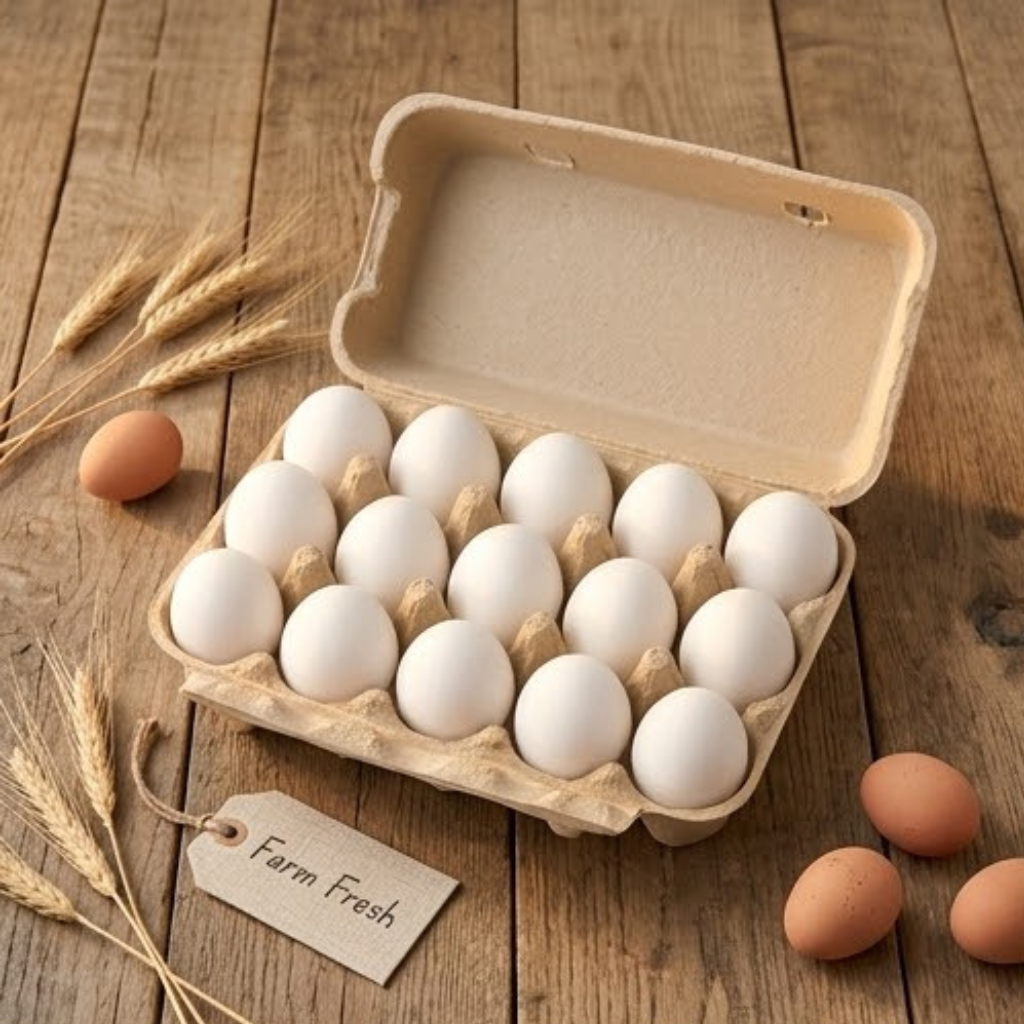
Start with your main reason for buying. If you want economical protein for everyday meals, compare standard eggs by size and price. If taste or animal housing matters more, choose a supplier that can explain its practices. If you want a specific nutrient, look for a supported nutrition claim. These priorities can lead to different choices without making one household's decision wrong.
Ask the supplier questions that produce useful answers:
Which farm supplies the eggs, and where is it located?
What does the seller mean by desi, free-range or pasture-raised?
Is an organic claim supported by applicable certification?
What information supports any omega-3 or other nutrient claim?
How are eggs stored and transported before delivery?
Treat hormone-free and antibiotic-related statements separately. The word desi does not verify either claim, while commercial does not establish that hens receive those treatments. Ask whether an antibiotic claim concerns how hens were raised, residue testing or another defined practice. Clear explanations are more useful than broad claims about purity.
If a supplier shares a laboratory report, check what was tested, when the sample was taken and which product the result describes. A nutrient report for one batch does not establish identical results for every future delivery. Check the units too: a figure per 100 grams cannot be compared directly with a figure per egg. Testing for a nutrient and testing for bacteria answer different questions, so one report should not be presented as proof of everything.
Clarify origin when local sourcing influences your decision. Ask whether "local" means the eggs were laid locally, packed locally or distributed by a nearby business. Those descriptions answer different questions. A useful product listing identifies the producer or origin clearly enough for you to understand what you are buying, rather than leaving you to infer the farm location from the seller's address.
Also check practical details before ordering: the number of eggs, size description, delivery area and storage instructions. A larger pack only saves money if you can use it within the labelled date. Keep the packaging until the eggs are finished so you retain the batch and supplier details if a problem arises.
Final Thought
Desi eggs and commercial eggs can both contribute useful nutrition to everyday meals. The best choice depends on what a particular product offers: suitable portion sizes, safe handling, a taste you enjoy and farming claims you can verify. Paying extra may make sense for those qualities, but shell color, yolk shade and the desi name cannot establish them on their own.
Choose according to your household's needs and budget. If desi eggs suit your preferences, shop New Day Naturals' desi eggs, check the current product details and select a pack that fits your cooking routine.
Frequently asked questions
Can a float test tell me whether an egg is safe?
No. An egg can float because its air cell has enlarged as it ages, but floating does not prove contamination or safety. A sinking egg can still contain harmful bacteria. Follow storage instructions and the labelled date, and use safe handling and cooking rather than treating a bowl of water as a safety test.
Should I wash eggs before putting them in the refrigerator?
USDA advises against washing commercially packaged eggs at home because it can increase contamination risk. Avoid buying visibly dirty eggs rather than planning to clean them yourself. For eggs supplied through a different production system, follow the producer's handling instructions and applicable local guidance. The desi label alone does not tell you whether eggs were washed before sale.
Can someone with an egg allergy eat desi eggs instead?
Desi eggs are still chicken eggs and are not an appropriate substitute for someone with a chicken egg allergy. Changing the breed, shell color or farming method does not establish that the product is safe for them. Follow advice from the person's allergy clinician about avoidance and suitable alternatives.
Recent Posts