
How to Choose Extra Virgin Olive Oil in Dubai
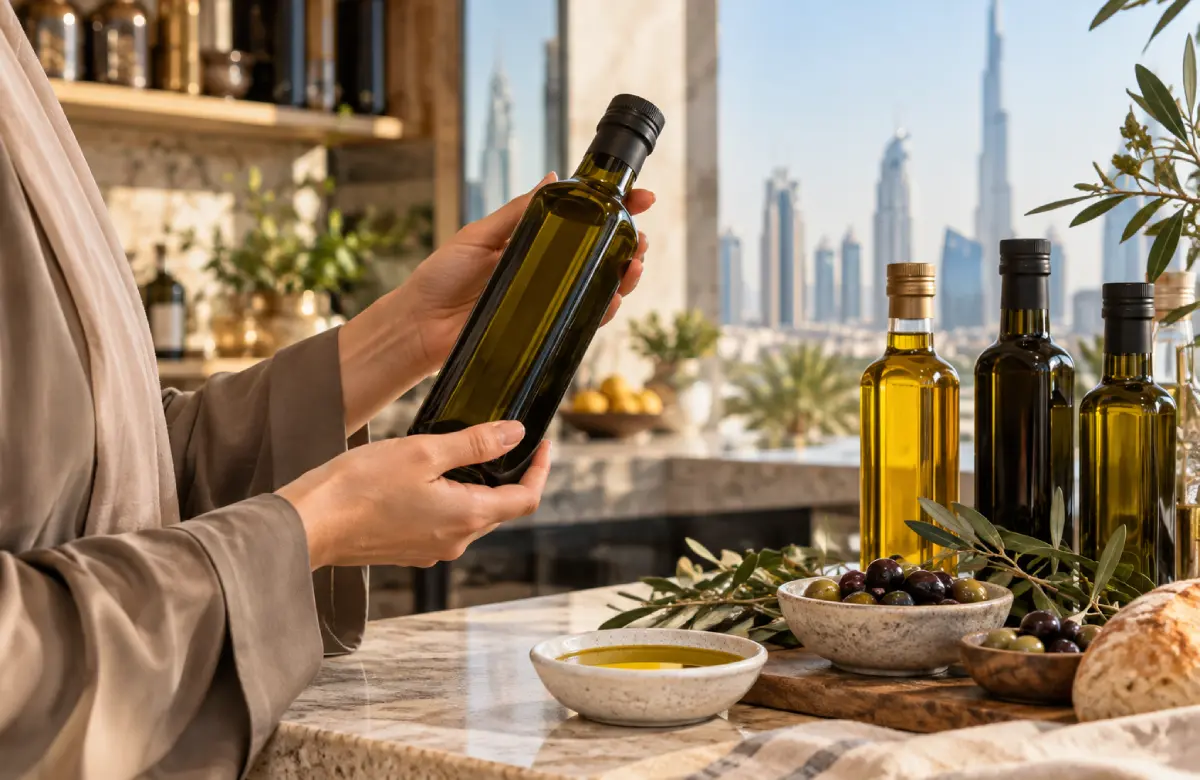
You're shopping for olive oil in Dubai, but every bottle seems to promise premium quality and pure ingredients. Some bottles are expensive, while others cost much less. So, how do you know which one is worth buying? Learning how to choose extra virgin olive oil in Dubai starts with checking the label, freshness, origin, and packaging. Look for a clearly marked extra virgin grade, a recent harvest date when available, and packaging that protects the oil from heat and light. These simple checks can help you choose good-quality olive oil without paying extra for claims that may not tell you much about the product.
What Is Extra Virgin Olive Oil?
Extra virgin olive oil (EVOO) is the highest recognized grade of virgin olive oil. It is made directly from olives using mechanical methods, such as crushing and pressing or spinning the olive paste to separate the oil. Unlike refined olive oil, it does not go through chemical refining. To qualify as extra virgin, olive oil must meet specific quality standards. Its free acidity must not exceed 0.8%, and it must pass other chemical and taste tests. According to the European Commission's olive oil standards, extra virgin olive oil must have a fruity character without sensory defects. The 0.8% acidity limit refers to a laboratory measurement, not how sour the oil tastes.
Extra virgin olive oil also provides monounsaturated fats and naturally occurring plant compounds. Its flavor can range from mild and smooth to grassy, bitter, or peppery, depending on the olives used.
What Should You Check Before Buying Extra Virgin Olive Oil?
Buying good extra virgin olive oil involves more than choosing an expensive bottle. A product may have attractive packaging and impressive claims, but those details alone don't prove its quality. Instead, look for clear information about when the oil was produced, where it came from, and how it has been packaged.
Here are five important things to check before buying olive oil in Dubai.
Check the Harvest Date and Freshness
The harvest date tells you when the olives were picked. It is one of the most useful details to look for because olive oil gradually loses freshness over time. Choose a recent harvest whenever that information is available. Remember that harvest seasons differ between countries, so the most recent available harvest may depend on where the oil was produced. You should also check the best-before date. However, this date does not necessarily tell you when the olives were harvested.
For example, two bottles may have the same best-before date, but one may come from a more recent harvest. Knowing the harvest date gives you another way to compare their freshness. If a bottle doesn't show a harvest date, it doesn't automatically mean the oil is poor quality. Check the other product details before deciding.
Read the Country of Origin
Extra virgin olive oil is produced in several countries, including Spain, Italy, Greece, Tunisia, and Turkey. Each region grows different olive varieties, which can affect the oil's taste and aroma. When reading the label, check where the olives were grown or where the oil was produced. The country where a bottle was packed is not always the same as the origin of the olives.
You may also find bottles containing oils blended from different countries. These blends can still meet extra virgin quality standards. Rather than choosing a bottle because it comes from a famous olive-producing country, look for clear origin and producer information. This helps you understand what you're buying.
Choose Packaging That Protects the Oil
Olive oil can lose freshness when exposed to heat, light, and air. That's why the container matters, especially in a warm place like Dubai. Dark glass bottles and metal tins are useful because they help protect the oil from light. A properly sealed container also reduces unnecessary contact with air.
Clear bottles provide less protection from light unless they are covered or stored in protective packaging. Before buying, check that the cap or seal is intact. Avoid bottles that appear damaged or have been sitting in direct sunlight. However, remember that a dark bottle does not automatically mean the oil inside is high quality. Good packaging helps preserve freshness, but it cannot prove purity.
Understand Quality Seals and Label Claims
You may notice terms such as premium, pure, natural, cold-pressed, or organic on olive oil labels. These words don't all mean the same thing. For example, organic certification relates to farming practices. It doesn't automatically mean an olive oil tastes better or is fresher than a non-organic product.
Some bottles also carry independent quality seals. These can provide extra confidence when the issuing organization verifies the oil through recognized testing. Before relying on a seal, check which organization issued it and what standards it covers. The most useful approach is to consider quality seals alongside harvest information, origin, packaging, and the extra virgin grade rather than trusting a single label claim.
Compare the Price and Bottle Size
Higher prices don't always mean better olive oil. The price may reflect the producing region, brand, packaging, import costs, or other factors. When comparing products, check the price per 100ml or liter. This makes it easier to compare bottles of different sizes. Also consider how much olive oil your household uses. A large bottle may look cheaper per liter, but it might not offer good value if the oil loses freshness before you finish it. For example, a household that uses olive oil occasionally may prefer a 500ml or 750ml bottle over a much larger container.
How Can You Tell If Extra Virgin Olive Oil Is Fresh?
Once you open a bottle, its smell and taste can give you useful clues about freshness. Good extra virgin olive oil should have a pleasant aroma and taste that reflects the olives used to produce it. However, olive oils naturally have different flavor profiles. A mild oil is not automatically lower quality than one with a stronger taste.
What Should Fresh Olive Oil Smell and Taste Like?
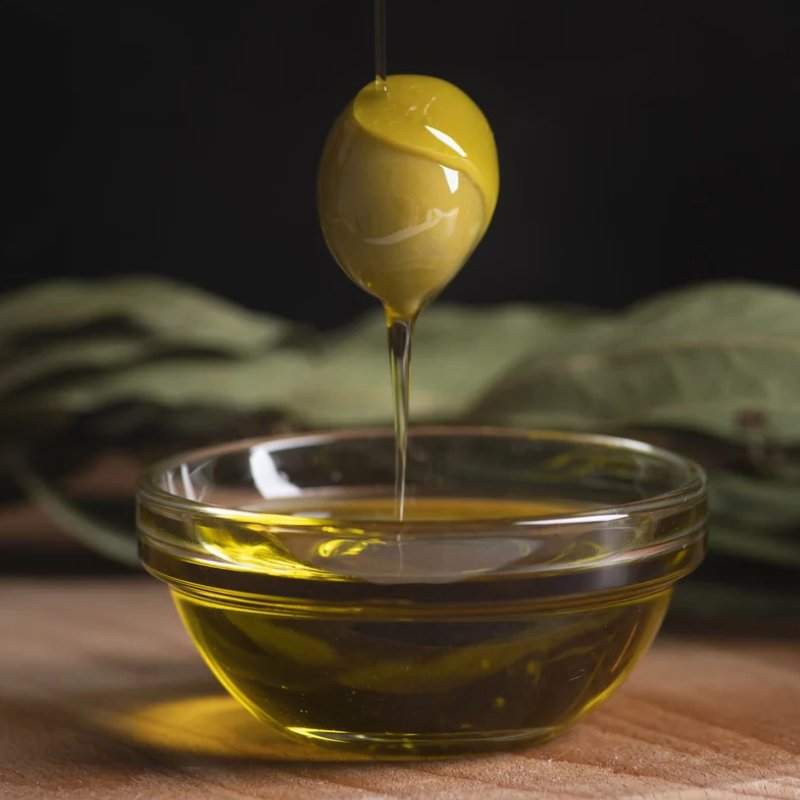
Fresh extra virgin olive oil can have a fruity, grassy, or herbal aroma. Some oils may remind you of fresh olives, green apples, or other plant-like flavors. You may also notice slight bitterness or a peppery feeling in your throat. These can be normal characteristics of extra virgin olive oil. On the other hand, oil that smells like stale nuts, old cooking oil, or waxy crayons may have become rancid. Rancidity develops as fats break down through oxidation. Smell and taste can help you notice freshness problems, but proper testing is needed to confirm whether an oil meets extra virgin standards.
Which Extra Virgin Olive Oil Should You Choose for Cooking?
The right extra virgin olive oil depends on what you cook and how much olive flavor you enjoy. Some varieties have a mild taste that blends easily into meals, while others have stronger flavors that stand out in salads and finished dishes. Extra virgin olive oil can be used for many everyday cooking methods, including sautéing and pan-frying. It is not limited to cold foods.
Mild Olive Oil for Everyday Cooking
Mild extra virgin olive oil is a practical choice when you want the oil to blend into your food without adding a strong olive flavor.
It works well for everyday meals such as:
Sautéed vegetables and mushrooms
Eggs cooked over moderate heat
Pasta and simple sauces
Rice dishes
Lightly pan-fried foods
For example, you can use a little mild olive oil to sauté onions and vegetables before adding them to a rice dish.
Extra virgin olive oil can tolerate many normal cooking temperatures, although its smoke point varies depending on quality and other factors. Avoid heating any cooking oil until it produces heavy smoke.
Stronger Olive Oil for Salads and Finishing Dishes
If you enjoy a more noticeable olive flavor, choose an extra virgin olive oil with a fruity, slightly bitter, or peppery taste. These oils can work particularly well in dishes where their flavor remains easy to notice.
Common uses include:
Fresh salad dressings
Hummus and labneh
Bread dipping
Marinades
Drizzling over cooked vegetables
For example, a little extra virgin olive oil drizzled over hummus can add flavor without requiring additional ingredients. Neither mild nor strongly flavored oil is automatically better. Choose the flavor that you enjoy and that works with the meals you prepare.
How to Store Extra Virgin Olive Oil in Dubai's Hot Weather
Dubai's warm climate makes proper olive oil storage important. Heat, sunlight, and air can gradually affect the oil's freshness, causing its original taste and aroma to fade. Keep extra virgin olive oil in a cool, dark kitchen cabinet, preferably away from the stove and windows. Avoid leaving bottles on sunny countertops or inside hot cars after shopping.
Always close the cap tightly after use. This reduces exposure to air, which can speed up oxidation. If you use olive oil only occasionally, buying a smaller bottle may help you finish it while its flavor is still fresh. Aim to use opened oil within a few months, and follow the manufacturer's storage and best-before instructions. Refrigeration is generally unnecessary for everyday olive oil storage. Cold temperatures may cause the oil to become cloudy or partly solid, but this change alone does not mean the oil has spoiled. Proper storage helps protect the quality you've paid for.
Buy Extra Virgin Olive Oil Online in Dubai at New Day Naturals
If you're looking for extra virgin olive oil for your everyday kitchen needs, New Day Naturals offers an option for shoppers in Dubai. Our Extra Virgin Olive Oil is listed in a 750ml bottle and can be used for a variety of everyday meals. Whether you're preparing salads, sautéing vegetables, making marinades, or adding a finishing touch to hummus, olive oil is a useful ingredient to keep in your kitchen.
The 750ml size can be a practical option for households that use olive oil regularly without wanting to purchase a very large container. Visit New Day Naturals to review the current product details, pricing, and ordering options. You can also check the bottle label or ask about available harvest and origin information before purchasing.
Frequently Asked Questions About Extra Virgin Olive Oil
Is Cold-Pressed Olive Oil the Same as Extra Virgin Olive Oil?
Not exactly. Cold-pressed describes how olive oil is extracted, while extra virgin refers to a specific quality grade. Extra virgin olive oil must meet chemical and sensory standards. A cold-pressed label alone does not prove that the oil meets those standards.
Is Green Olive Oil Better Than Golden Olive Oil?
No. Olive oil color depends on the olive variety, ripeness, and processing conditions. Some good extra virgin olive oils are green, while others appear golden. Color alone cannot tell you whether an oil is fresh, pure, or high quality.
Does the Fridge Test Prove Olive Oil Is Pure?
No. Olive oil may become cloudy or partly solid when refrigerated because of its natural fat composition. However, this does not prove that it is pure or extra virgin. The fridge test is not a reliable way to check olive oil authenticity.
Are Single-Origin Olive Oils Better Than Blends?
Not necessarily. Single-origin olive oil comes from one stated region or source, while blends may contain oils from different regions. Both can meet extra virgin standards. Freshness, proper processing, and verified quality matter more than whether an oil is single-origin or blended.
Can Extra Virgin Olive Oil Become Cloudy Without Going Bad?
Yes. Extra virgin olive oil can turn cloudy when exposed to cooler temperatures or because it contains fine natural particles. Cloudiness alone does not mean the oil has spoiled. However, if it develops an unpleasant rancid smell or taste, it may have lost its freshness and should be discarded.
Final Thoughts
Choosing good extra virgin olive oil doesn't have to be confusing. Start by checking the extra virgin grade, harvest information, country of origin, and protective packaging. Compare prices and choose a bottle size that fits your cooking habits. Once you've bought your oil, store it away from heat and sunlight to help maintain its freshness. For everyday cooking, salads, and marinades, explore the Extra Virgin Olive Oil available at New Day Naturals and choose an option that suits your kitchen needs.
Recent Posts