
Chia Seeds for Weight Loss: Benefits, Uses & Safety Tips
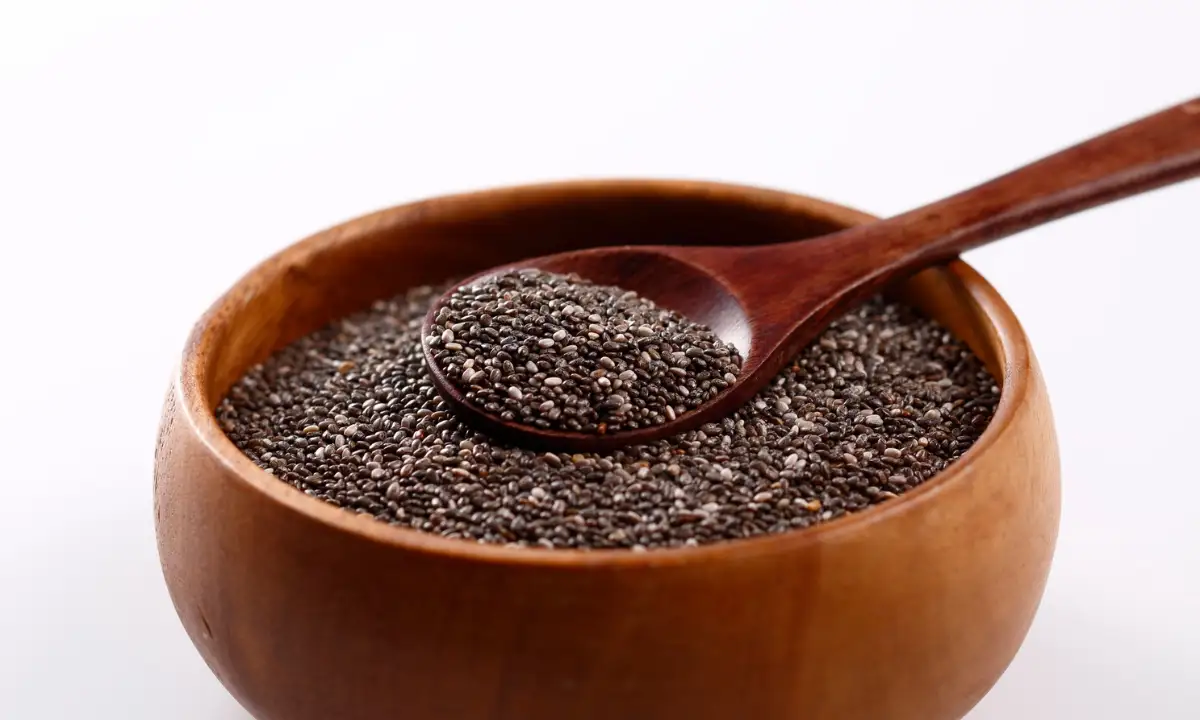
Losing weight often becomes difficult because many people struggle with constant hunger, frequent snacking, and finding foods that provide nutrition without adding too many calories. This is where chia seeds have gained attention as a simple food option that can support a healthier eating pattern. Chia seeds are rich in fiber, plant-based protein, Omega-3 fatty acids, and important minerals that may help you feel full for longer and manage your daily food intake. However, chia seeds are not a magic solution that melts fat on their own. They work best when added to a balanced diet, proper portion control, and an active lifestyle.
This guide explains how chia seeds may support weight management, their nutrition profile, the best ways to use them, how much you should eat daily, and important safety tips. If you are adding chia seeds to your routine, choosing fresh and quality seeds is also important. Ready to add chia seeds to your routine? New Day Naturals offers quality, carefully sourced chia seeds you can start using today
What Are Chia Seeds?
Chia seeds are small edible seeds that come from Salvia hispanica, a flowering member of the mint family. These tiny black or white seeds have been used for centuries as a source of energy and nutrition. Today, chia seeds are widely used in healthy diets because they contain a combination of fiber, protein, healthy fats, and minerals in a small serving.
Unlike many processed foods that provide calories without much nutritional value, chia seeds are considered a nutrient-dense whole food. A small amount can add important nutrients to meals while also improving texture and making foods more filling.
Chia seeds are naturally:
Gluten-free
Plant-based
Rich in dietary fiber
A source of plant protein
High in Omega-3 fatty acids
Packed with minerals
Because of their ability to absorb liquid and form a gel-like texture, chia seeds are commonly added to water, smoothies, yogurt, oatmeal, and puddings.
The Origin of Chia Seeds (Salvia hispanica)
The chia plant (Salvia hispanica) is native to parts of Central America, where chia seeds were traditionally used by ancient civilizations as a valuable food source. The name “chia” is often linked with strength and energy because these seeds were considered a convenient source of nutrients.
Today, chia seeds are grown in different regions around the world and have become popular among people looking for natural ingredients to support healthy eating habits. Their popularity comes from their unique nutritional combination. Unlike a single nutrient food, chia seeds provide several important components together:
Fiber that supports fullness and digestion
Protein that contributes to daily protein intake
Omega-3 fatty acids that support overall nutrition
Minerals that help maintain normal body functions
Why Chia Seeds Are Considered a Nutrient-Dense Food
Nutrient density means getting valuable nutrients from a food compared with the amount of calories it provides. Chia seeds are a good example because they contain several beneficial nutrients in a small serving size. For people focusing on weight management, nutrient-dense foods can be helpful because they allow you to include more nutrition while keeping meals balanced.
Chia seeds contain:
Adding chia seeds to meals can make simple foods more nutritious. For example, adding them to oatmeal or yogurt can increase fiber and nutrient content without requiring major changes to your diet.
Chia Seeds Nutrition Facts
Understanding the nutrition profile of chia seeds helps explain why they are commonly included in weight management diets. Their main advantage comes from their combination of fiber, protein, healthy fats, and minerals. The nutrition values can vary slightly depending on the brand and serving size, but a typical serving of chia seeds provides a significant amount of important nutrients.
Calories in Chia Seeds
Chia seeds contain calories because they provide healthy fats, protein, and carbohydrates. A common serving size is around two tablespoons, which contains approximately:
Although chia seeds contain calories, they can still fit into a weight loss diet because they provide nutrients and fiber that may help people feel satisfied after eating. The important factor is portion size. Eating large amounts of chia seeds can increase calorie intake, so they should be used as part of a balanced meal plan rather than added without considering overall food intake.
Fiber Content in Chia Seeds
Fiber is one of the main reasons chia seeds are associated with weight management. A large portion of the carbohydrates in chia seeds comes from dietary fiber. Chia seeds contain both soluble and insoluble fiber:
Soluble fiber: Absorbs water and creates a gel-like texture
Insoluble fiber: Adds bulk and supports normal digestion
When chia seeds are soaked, they absorb liquid and form chia gel. This process can make them easier to consume and may help create a feeling of fullness after eating. Fiber plays several roles in a healthy diet:
Helps support digestive regularity
Slows digestion of food
Helps maintain fullness between meals
Supports better meal control
For people trying to manage their weight, foods high in fiber can be useful because they may reduce the urge to snack frequently.
Protein Content in Chia Seeds
Chia seeds provide plant-based protein, making them a useful addition to meals for people who want more variety in their protein sources. Protein is important during weight management because it helps support muscle maintenance and contributes to feelings of fullness. When combined with other protein sources such as yogurt, milk, eggs, beans, or nuts, chia seeds can become part of a balanced meal.
The protein in chia seeds contains several essential amino acids, although they are usually consumed as a supplement to a varied diet rather than as the only protein source. Examples of balanced chia seed combinations include:
Chia seeds with Greek yogurt and fruit
Chia seeds added to oatmeal with nuts
Chia seeds blended into a protein smoothie
Omega-3 Fatty Acids and Healthy Fats in Chia Seeds
Chia seeds are one of the best plant-based sources of alpha-linolenic acid (ALA), a type of Omega-3 fatty acid. Healthy fats are an important part of a balanced diet because the body needs fats for several normal functions, including absorbing certain vitamins and supporting cell health.
Although chia seeds contain fat, these are mainly unsaturated fats that can be included in a healthy eating pattern. For people focusing on weight management, the goal is not to remove all fats from the diet but to choose better sources and maintain appropriate portions.
Adding chia seeds to meals can provide healthy fats along with fiber and protein, creating a more balanced nutrient profile. Common ways to include chia seeds for healthy fat intake include:
Adding chia seeds to smoothies
Mixing them with yogurt and fruit
Sprinkling them over oatmeal
Adding them to homemade energy snacks
It is important to remember that healthy fats still contain calories, so portion control remains important when using chia seeds for weight loss.
Vitamins, Minerals, and Antioxidants in Chia Seeds
Chia seeds provide several minerals that support overall nutrition. While they are usually consumed in small amounts, regular inclusion in a balanced diet can contribute to daily nutrient intake.
Calcium
Calcium is a mineral commonly associated with bone health. Chia seeds provide a plant-based source of calcium, making them useful for people who include a variety of plant foods in their diet.
Magnesium
Magnesium plays a role in many body processes, including normal muscle and nerve function. Chia seeds can contribute to magnesium intake as part of a nutrient-rich diet.
Phosphorus
Phosphorus is another important mineral found in chia seeds. It supports normal cell function and works alongside calcium in the body.
Manganese and Zinc
Chia seeds also contain manganese and zinc, minerals involved in normal metabolic processes and overall health.
Antioxidants
Chia seeds contain antioxidants that help protect their natural fats from oxidation. These compounds also contribute to the overall nutritional value of chia seeds.
The combination of minerals, antioxidants, fiber, and healthy fats is one reason chia seeds are considered a nutrient-dense food.
How Chia Seeds May Support Weight Loss
Chia seeds are often discussed as a weight loss food because they contain nutrients that can support healthy eating habits. However, weight loss happens when the body consistently uses more energy than it consumes. Chia seeds can support this process by making meals more satisfying, but they do not directly burn body fat. The main ways chia seeds may support weight management include improving fullness, helping control hunger, and making nutritious meals easier to prepare.
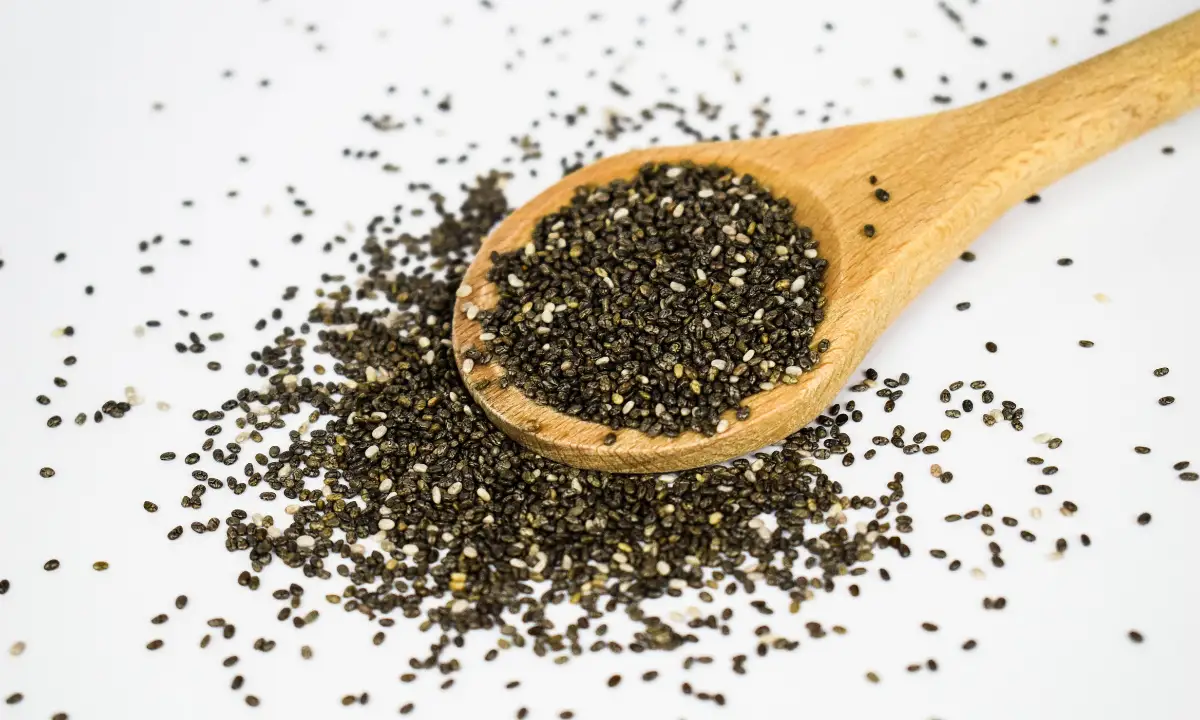
Chia Seeds, Fiber, and Feeling Full
The high fiber content of chia seeds is one of their most important features for people trying to manage their weight. When chia seeds come into contact with liquid, soluble fiber absorbs water and forms a gel-like substance. This changes the texture of the seeds and slows digestion compared with lower-fiber foods.
Feeling full after meals can help with:
Reducing unnecessary snacking
Managing portion sizes
Staying consistent with healthy eating habits
For example, a breakfast containing oatmeal, yogurt, fruit, and chia seeds may keep a person satisfied longer than a breakfast that is low in fiber. However, fullness varies from person to person. Factors such as total diet quality, activity level, sleep, and eating habits also influence hunger levels.
Chia Seeds and Appetite Control
Appetite control is one reason many people add chia seeds to their meals. Foods that contain fiber and protein often provide better satisfaction compared with foods that contain mainly refined carbohydrates. Chia seeds may support appetite management because:
Fiber takes longer to digest
Chia gel adds volume to meals
Protein contributes to feelings of satisfaction
For example, adding chia seeds to a smoothie can make it more filling than drinking a fruit-only smoothie.
A simple chia smoothie may include:
Chia seeds
Greek yogurt or plant-based milk
Berries or banana
Nuts or nut butter
Optional protein powder
This type of meal combines multiple nutrients instead of relying on a single ingredient.
Chia Seeds and Calorie Control
Successful weight management usually involves maintaining a calorie deficit, which means consuming fewer calories than the body uses over time. Chia seeds may help with calorie control because they allow people to add more nutrition and fiber to meals without needing large portions.
Examples:
The goal is not to add unlimited chia seeds to the diet. Since chia seeds contain calories, they work best when included in planned meals with proper portion sizes.
Chia Seeds and Healthy Weight Management
Weight management involves more than adding one food to your diet. Long-term results usually come from combining several healthy habits:
Eating balanced meals
Choosing nutrient-rich foods
Maintaining reasonable portions
Staying physically active
Getting enough sleep
Building consistent routines
Chia seeds can be a useful addition because they are easy to include in many meals. They can support a healthy eating pattern, but they should be viewed as one part of a complete approach. For example, a person may include New Day Naturals chia seeds in breakfast meals while also focusing on vegetables, lean proteins, whole grains, and regular activity.
What Does Research Say About Chia Seeds and Weight Loss?
Scientific interest in chia seeds has increased because of their nutritional composition, especially their fiber, Omega-3 fatty acids, and plant-based protein content. Research has explored whether chia seeds may influence factors related to weight management, including:
Body weight
Appetite
Waist measurements
Blood lipid levels
Metabolic health
Current evidence suggests that chia seeds can be part of a healthy diet, but they should not be considered a standalone weight loss treatment.
Studies on Chia Seeds and Body Weight
Some studies have examined whether chia seed consumption can affect weight-related outcomes. Results have been mixed, and researchers generally consider chia seeds most useful as part of an overall healthy lifestyle. Possible reasons chia seeds may support weight management include:
High fiber content
Increased meal satisfaction
Improved nutrient quality of meals
However, weight changes depend on many factors, including total calorie intake, physical activity, genetics, and lifestyle habits. The strongest evidence supports the nutritional benefits of chia seeds rather than claims that they directly cause fat loss.
Chia seeds cannot:
Melt belly fat
Replace exercise
Replace a balanced diet
Guarantee weight loss without lifestyle changes
A realistic approach is to use chia seeds as a healthy ingredient that supports better food choices over time.
How to Use Chia Seeds for Weight Loss
Adding chia seeds to your daily diet does not require complicated recipes or major changes. Their mild taste and ability to absorb liquid make them easy to include in many foods. The best approach is to use chia seeds as part of balanced meals where they add fiber, protein, and nutrients rather than treating them as a quick weight loss solution.
Many people prefer soaked chia seeds because soaking softens their texture and creates a gel-like consistency that is easier to mix with drinks and foods. Whether you choose chia water, smoothies, yogurt, oatmeal, or chia pudding, the goal is to use chia seeds consistently while maintaining a healthy eating pattern.
Chia Seed Water for Weight Loss
Chia seed water is one of the most popular ways people consume chia seeds. It is made by mixing chia seeds with water and allowing them to absorb the liquid before drinking. During this process, the soluble fiber in chia seeds absorbs water and creates a gel-like texture.
Many people drink chia water because it is simple to prepare and can be added to a daily routine. The fiber from chia seeds may help support fullness, which can make it easier to manage hunger between meals. However, chia water does not directly burn fat or remove belly fat. Its possible benefits come from the nutrients in chia seeds and how they fit into an overall healthy diet.
How to Make Chia Seed Water
A basic chia seed water recipe is simple and requires only a few ingredients. Mix one to two tablespoons of chia seeds with a glass of water and allow them to soak until the seeds absorb the liquid and develop a gel-like texture. Many people prefer adding lemon juice for flavor, while others combine chia water with fruits or herbal drinks.
A simple chia water recipe can include:
Chia seeds
Water
Lemon juice or lime juice for taste
The soaking time allows the seeds to hydrate properly, making them easier to consume.
How Long Should Chia Seeds Soak?
Chia seeds usually need enough time to absorb water and form their gel texture. Many people soak them for around 15 to 30 minutes, while others prefer preparing them overnight for a softer texture.
Overnight soaking is commonly used for:
Chia puddings
Breakfast preparations
Ready-to-drink chia mixtures
Proper soaking also reduces the chance of swallowing dry seeds, which is important because dry chia seeds can expand after absorbing liquid.
Chia Seeds With Oatmeal
Oatmeal and chia seeds make a popular combination because both foods provide fiber. Adding chia seeds to oatmeal can increase the nutritional value of breakfast and create a more satisfying meal.
A balanced oatmeal bowl can include chia seeds along with:
Oats
Fresh fruit
Nuts
Milk or plant-based milk
Yogurt
This combination provides a mix of carbohydrates, fiber, protein, and healthy fats, making it a practical option for people who want a filling breakfast.
Chia Seeds With Yogurt and Fruit
Yogurt with chia seeds is another simple way to include them in a healthy diet. Yogurt provides protein, while chia seeds add fiber and nutrients. A yogurt bowl with chia seeds can be prepared by mixing soaked or dry chia seeds with yogurt and adding fruits such as berries, apples, or bananas. You can also combine it with other natural ingredients like different types of dates for added flavor.
This combination works well as:
Breakfast
Afternoon snack
Light evening meal
Choosing plain yogurt instead of high-sugar varieties can help keep the meal more suitable for weight management.
How Much Chia Seeds Should You Eat Per Day?
The right amount of chia seeds depends on your overall diet, fiber intake, and digestive tolerance. A common serving size is around one to two tablespoons per day, which provides a meaningful amount of fiber and nutrients. Eating more does not always provide better results. Since chia seeds contain fiber and calories, consuming very large amounts may lead to digestive discomfort and unnecessary calorie intake. For most people, the best approach is to start with a smaller amount and gradually increase intake while drinking enough water.
Recommended Daily Chia Seed Intake
A daily serving of chia seeds can easily fit into meals without making major changes to your diet.
For example, you can add chia seeds to:
Morning oatmeal
Yogurt bowls
Smoothies
Homemade snacks
The important factor is consistency. Chia seeds support healthy eating habits when they replace less nutritious choices or improve the quality of your meals.
People who are not used to eating high-fiber foods may want to introduce chia seeds slowly. A sudden increase in fiber intake may cause temporary digestive symptoms such as bloating or stomach discomfort. Starting with a small serving allows the digestive system to adjust. Increasing water intake is also important because fiber works best when enough fluid is available.
Best Time to Take Chia Seeds for Weight Loss
Many people search for the “best time” to take chia seeds, but there is no specific time that guarantees weight loss. The benefits of chia seeds come from regular use as part of a balanced diet rather than a particular hour of the day. The best time depends on your eating habits and how chia seeds fit into your routine.
Eating Chia Seeds in the Morning
Morning is a popular time to consume chia seeds because they can be easily added to breakfast foods. Including fiber and protein earlier in the day may help create a more satisfying breakfast.
Examples include:
Chia oatmeal
Chia smoothie
Yogurt with chia seeds
A nutritious breakfast can help support better food choices throughout the day.
Taking Chia Seeds Before Meals
Some people prefer having chia seeds before meals because fiber may help increase fullness. This may support portion control during meals. However, chia seeds should not replace a balanced meal. They work best when combined with nutritious foods that provide a range of nutrients.
Using Chia Seeds as a Healthy Snack
Chia seeds can also be included in snacks between meals. Combining them with foods such as yogurt, fruit, or nuts creates a more balanced snack option. This can be helpful for people who often choose high-sugar or low-fiber snacks when hungry.
Common Mistakes When Using Chia Seeds for Weight Loss
Chia seeds can be a valuable addition to a healthy diet, but the way they are used matters. Many people expect quick results and make mistakes that reduce the benefits of adding chia seeds to their routine. Understanding these common mistakes can help you use chia seeds in a safer and more practical way.
Eating Too Many Chia Seeds Too Quickly
Eating Dry Chia Seeds Without Enough Liquid
Expecting Chia Seeds Alone to Cause Weight Loss
Ignoring Overall Diet Quality
Chia Seeds Side Effects and Safety
Chia seeds are generally considered safe for most people when consumed as part of a normal diet. However, because they contain a high amount of fiber and absorb liquid, some people may experience digestive issues, especially when they consume too much too quickly. Understanding proper preparation and individual tolerance can help you include chia seeds comfortably in your daily routine.
Digestive Effects From Too Much Fiber
Fiber is beneficial for digestion, but increasing fiber intake suddenly may cause temporary digestive changes. Some possible effects include:
Bloating
People who are not used to high-fiber foods may experience bloating after increasing chia seed intake quickly. Reducing the amount and increasing gradually can help.
Gas
Fiber is processed by bacteria in the digestive system, which may sometimes lead to gas production. This usually improves as the body adjusts.
Stomach Discomfort
Some people may feel discomfort if they consume large amounts of chia seeds without enough fluids.
Why Dry Chia Seeds May Be Unsafe
Chia seeds can absorb several times their weight in liquid. When soaked, they become soft and easier to consume. However, eating dry chia seeds and then drinking liquid afterward may cause them to expand inside the digestive tract. People with swallowing difficulties, known as dysphagia, should be especially careful with dry chia seeds. Soaking chia seeds before eating is a simple preparation step that improves texture and reduces potential swallowing concerns.
Who Should Be Careful With Chia Seeds?
Most healthy adults can include chia seeds in their diet, but some people may need extra caution. People who should speak with a healthcare professional before making major dietary changes include those with:
Swallowing difficulties
Certain gastrointestinal conditions
History of digestive blockage
Specific medication concerns
People taking certain medications may also want professional guidance because dietary changes can sometimes affect how the body handles nutrients and medications.
Chia Seeds and Other Health Benefits
Although this article focuses on weight loss, chia seeds provide several nutritional benefits because they contain fiber, healthy fats, minerals, and antioxidants. These benefits support overall health and explain why chia seeds are commonly included in healthy eating patterns.
Chia Seeds and Digestive Health
Chia seeds are a good source of dietary fiber, which plays an important role in digestive health. Fiber helps maintain regular bowel movements and supports normal digestive function. The soluble fiber in chia seeds absorbs water and forms a gel-like texture, while other types of fiber add bulk to food as it moves through the digestive system. For people who do not consume enough fiber, adding foods like chia seeds can help increase daily fiber intake. However, fiber works best when combined with enough water throughout the day.
Chia Seeds and Heart Health
Chia seeds contain Omega-3 fatty acids, especially alpha-linolenic acid (ALA), along with fiber and antioxidants. These nutrients are part of a heart-friendly eating pattern. Research has explored the relationship between chia seeds and factors such as cholesterol levels and blood pressure, although individual results depend on overall diet and lifestyle. Adding chia seeds to a balanced diet can contribute to better food choices by replacing less nutritious ingredients with a nutrient-rich option.
Chia Seeds and Blood Sugar Management
Foods that contain fiber can affect how quickly carbohydrates are digested. The fiber in chia seeds may help slow digestion when included with meals. For example, adding chia seeds to oatmeal or yogurt may create a meal with more fiber compared with eating refined carbohydrate foods alone. People with diabetes or specific health conditions should follow guidance from their healthcare provider when making dietary changes.
How to Choose Quality Chia Seeds
The quality of chia seeds matters because freshness, sourcing, and storage can affect the overall experience of using them. When choosing chia seeds, look for products that are clean, properly packaged, and stored in conditions that help maintain freshness, similar to checking pure honey quality when selecting natural products.
New Day Naturals focuses on providing natural food products that fit into everyday healthy routines. Quality chia seeds can be added easily to breakfast meals, drinks, and recipes while helping customers include more nutrient-rich ingredients in their diet.
Frequently Asked Questions About Chia Seeds for Weight Loss
Do chia seeds help lose weight?
Chia seeds may support weight management because they contain fiber, protein, and nutrients that can help make meals more satisfying. However, they do not cause weight loss by themselves. Weight loss depends on overall calorie intake, diet quality, activity level, and lifestyle habits.
How many chia seeds should I eat daily?
Many people use around one to two tablespoons of chia seeds per day. The ideal amount depends on your diet, fiber intake, and digestive tolerance. Starting with a smaller amount can help your body adjust.
What is the best time to take chia seeds?
There is no specific time that guarantees better weight loss results. Chia seeds can be eaten in the morning, added before meals, or included in snacks depending on your routine and food preferences.
Can I drink chia seed water every day?
Many people include chia seed water in their daily routine. If you tolerate fiber well and consume enough fluids, chia water can be a convenient way to add chia seeds to your diet.
Should chia seeds be soaked before eating?
Soaking chia seeds is recommended by many people because it allows them to absorb water and develop a softer texture. It can also make them easier to mix into drinks and meals.
How long does chia water take to work?
Chia water does not create instant weight loss results. Its benefits come from the nutrients and fiber in chia seeds when they are included consistently as part of a healthy eating pattern.
Final Thoughts: Are Chia Seeds Good for Weight Loss?
Chia seeds can be a useful addition to a weight management diet because they provide fiber, protein, Omega-3 fatty acids, minerals, and antioxidants in a small serving. Their ability to absorb water and create fullness makes them a popular ingredient for people looking to improve their eating habits. However, chia seeds are not a quick weight loss solution. The best results come from combining nutrient-rich foods with balanced meals, portion control, regular movement, and healthy lifestyle choices.
Adding quality chia seeds to your daily routine is a simple way to increase the nutritional value of your meals. Whether mixed into smoothies, added to oatmeal, prepared as chia water, or used in healthy recipes, New Day Naturals chia seeds can be an easy choice for people looking to include more natural foods in their diet.
Recent Posts