
How Long Do Fresh Eggs Last in the Fridge? | Egg Safety
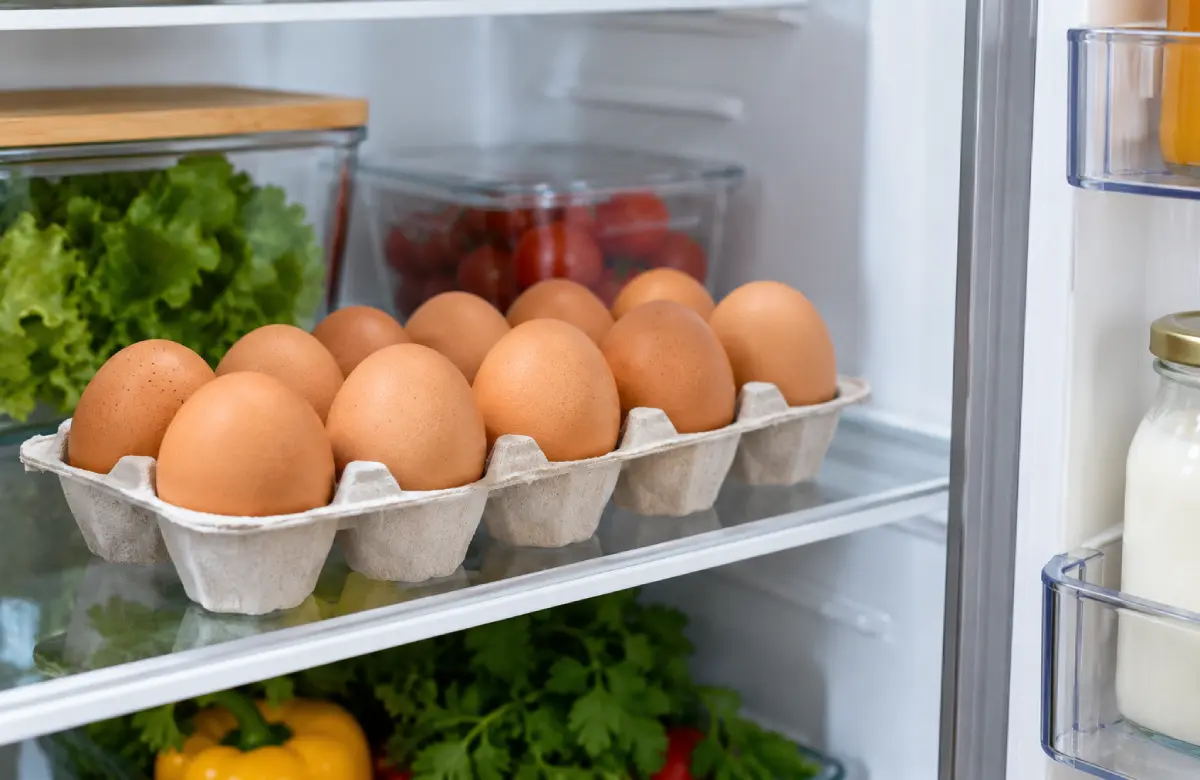
You bought fresh eggs a while ago, but now you're unsure whether they're still good to eat. The shells look fine, and there's no obvious sign of spoilage. So, how long do fresh eggs last in the fridge before you should throw them away? Fresh raw eggs generally last 3–5 weeks in a refrigerator kept at 4°C (40°F) or below. However, their remaining shelf life depends on how they were handled before purchase and how you store them at home. Knowing the recommended storage times can help you avoid unnecessary food waste without taking chances with food safety.
How Long Do Different Types of Eggs Last in the Fridge?
Fresh eggs in their shells can generally stay refrigerated for 3–5 weeks under proper storage conditions. However, once you crack or cook an egg, its storage life changes considerably. Raw egg whites, yolks, and hard-boiled eggs all have shorter recommended storage periods than uncooked eggs with intact shells. According to FoodSafety.gov's cold food storage guidance, the recommended refrigeration times vary depending on how the eggs are prepared and stored.
These recommendations assume that eggs have been handled properly and kept at 4°C (40°F) or below.
The FDA also recommends using refrigerated shell eggs within three weeks for the best quality. The longer 3–5 week range is a general storage guideline, not a guarantee that every egg will remain safe for that entire period.
For example, eggs purchased shortly before their use-by date should not automatically be kept for another five weeks. Follow the package instructions and consider how long the eggs may have been stored before you bought them.
Hard-boiled eggs need particular attention because cooking changes their storage life. Even if they remain unpeeled, they should be refrigerated promptly and eaten within one week. Raw whites and yolks removed from their shells should be kept in clean, covered containers and used within their shorter recommended periods.
What Affects the Shelf Life of Fresh Eggs?
Two cartons of eggs purchased on the same day may have different amounts of freshness remaining. The difference often comes from how recently the eggs were collected, how they were processed, and whether they were kept at suitable temperatures before reaching your kitchen. Understanding these factors helps you make better storage decisions.
How Egg Washing and the Natural Protective Coating Affect Freshness
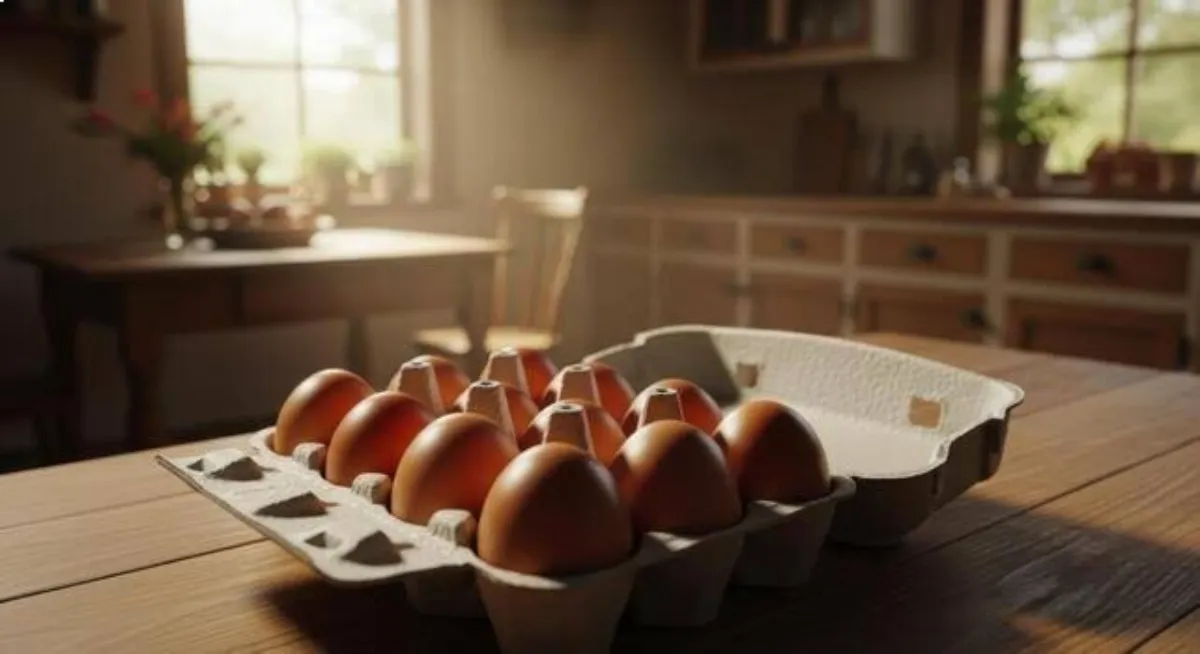
Freshly laid eggs have a thin protective layer on their shells called the cuticle or bloom. This coating helps protect the tiny pores in the eggshell and reduces the chance of bacteria entering through the shell. Commercial washing can remove some or all of this natural coating. In countries where eggs are routinely washed during processing, producers use controlled cleaning and handling methods to maintain food safety. These eggs are generally sold under refrigeration.
Unwashed farm-fresh eggs may retain more of their natural coating, but that doesn't mean they will always last longer or are safe to leave on a kitchen counter. Their storage requirements depend on how they were collected, cleaned, transported, and handled. For commercially packaged eggs, washing them again before refrigerating is unnecessary and may increase contamination risks. Eggs purchased directly from farms may require different handling instructions, so follow the supplier's guidance.
The same principle applies to desi eggs. Being farm-raised or labeled desi does not automatically give an egg a longer shelf life. If you're interested in the differences between egg varieties, read our guide to desi eggs vs. commercial eggs.
How Egg Age and Package Dates Affect Storage Time
Eggs begin losing freshness gradually after they are laid. As they age, moisture and carbon dioxide escape through the shell, and the air space inside becomes larger. The egg white may also become thinner. These changes affect quality, although they do not automatically mean an egg has spoiled.
That is why checking the packaging matters. Different labels tell you different things:
Packing date: Indicates when the eggs were packed, if the date is provided.
Best-before date: Indicates the period during which the product is expected to maintain its intended quality under specified conditions.
Use-by date: Indicates a date that should be followed according to the product's applicable food-safety labeling requirements.
For eggs purchased in Dubai, always check the dates and storage instructions printed on the carton. Do not assume that the general 3–5 week refrigeration recommendation overrides a shorter labeled period.
How to Store Fresh Eggs Properly in the Refrigerator
Proper storage helps fresh eggs maintain their quality and reduces the risk of contamination. Keeping them at a consistent temperature, using the right packaging, and handling them carefully can make a difference. Here are five simple ways to store eggs safely in your refrigerator.
Keep Your Refrigerator at the Right Temperature
Fresh eggs should be stored at 4°C (40°F) or below. A consistent temperature helps slow bacterial growth and preserve egg quality. Use a refrigerator thermometer to check the actual temperature, as the fridge's settings may not always reflect how cold it is inside.
Store Eggs in Their Original Carton
Keep eggs in the carton they came in rather than transferring them to an open egg tray. The carton protects the shells from damage and helps prevent moisture loss and the absorption of strong food odors. It also keeps packaging dates visible, making it easier to track freshness.
Place Eggs on an Interior Refrigerator Shelf
The refrigerator door may seem convenient, but its temperature changes whenever you open it. An interior shelf provides more stable conditions for storing eggs. Keep the carton away from the door and avoid leaving refrigerated eggs on the kitchen counter for extended periods.
Keep Raw Eggs Away From Ready-to-Eat Foods
Raw eggs can carry bacteria, including Salmonella. Store them where cracked shells or leaks cannot contaminate cooked meals, fruits, or other ready-to-eat foods. Wash your hands after handling raw eggs, and clean any utensils or surfaces that come into contact with them.
Use Older Eggs Before Opening a New Carton
Check the packaging dates whenever you buy fresh eggs. Place older cartons toward the front of the refrigerator so you remember to use them first. If you regularly have leftover eggs, consider buying smaller packs that better match your household's needs. This simple habit can help reduce food waste without compromising safe storage.
How Can You Tell If Fresh Eggs Have Gone Bad?
An egg may look normal from the outside even when you are uncertain about its age. Checking the shell, smell, and contents can help you identify obvious spoilage, but these observations cannot confirm that an egg is completely safe.
Fresh eggs can sometimes contain harmful bacteria, including Salmonella, without showing visible changes. This is why proper refrigeration, clean handling, and thorough cooking remain important even when an egg appears fresh.
Warning Signs of a Spoiled Egg
The most noticeable sign of a spoiled egg is often an unpleasant smell after you crack it. A rotten or sulfur-like odor is a reason to discard the egg immediately.
Other warning signs include:
Cracked or leaking shells: Damage can make it easier for bacteria to enter the egg. Avoid purchasing eggs with cracked shells.
Unusual discoloration: Abnormal colors or suspicious changes in the egg contents may indicate a problem.
Abnormal shell conditions: Slimy surfaces, visible mold, or other unusual contamination should not be ignored.
Strong unpleasant odor: A spoiled egg can produce a noticeable smell whether raw or cooked.
Not every change in appearance means spoilage. For example, older eggs may have thinner, more watery whites, while a small blood spot is not necessarily a sign that an egg has gone bad. However, appearance alone cannot establish safety. If an egg has been stored improperly, has passed an applicable use-by date, or shows signs of spoilage, don't use it simply because another test appears normal.
Does the Egg Float Test Really Work?
The egg float test is a popular way to estimate egg age. You place an egg in a bowl of water and observe whether it sinks, stands upright, or floats.
Here's what the results generally suggest:
Sinks and lies flat: The egg usually has a relatively small air cell and may be fresher.
Sinks but stands upright: The egg is likely older because its air cell has increased in size.
Floats to the surface: The egg has a larger air cell, which generally indicates greater age or reduced quality.
As eggs age, they gradually lose moisture and gases through their shells. This increases the air space inside, making older eggs more likely to float.
However, the float test measures changes associated with age, not whether an egg is safe to eat. The USDA explains that a floating egg may still be usable, while a sinking egg is not guaranteed free from harmful bacteria. Use package dates, storage history, and visible warning signs together. Do not rely on the float test to justify eating an egg that has been stored under unsafe conditions.
How Long Can Refrigerated Eggs Stay Out in Dubai's Heat?
Dubai's hot weather can affect how long refrigerated eggs stay safe outside the fridge. Whether you're bringing eggs home from the supermarket or receiving a grocery delivery, it's important to keep them cool. Leaving eggs in a hot car or kitchen for too long can increase the risk of bacterial growth. Refrigerated eggs should not be left out for more than two hours. If the temperature is above 32°C (90°F), that time drops to just one hour. In Dubai's summer heat, it's best to put eggs in the refrigerator as soon as possible.
When shopping, buy chilled eggs near the end of your trip and take them straight home. If you're ordering online, bring the eggs inside promptly after delivery. If eggs that should have stayed refrigerated arrive warm and you are unsure how long they have been out, contact the seller before using them.
Buying Fresh Eggs for Everyday Use in Dubai
Good egg storage starts with choosing eggs that have clear packaging information and intact shells. Before buying, check the available dates, pack size, and storage instructions. A smaller carton may be more practical for a household that uses eggs occasionally, while a larger pack can suit a family that cooks with them regularly.
At New Day Naturals, customers in Dubai can explore Farm Fresh Eggs (White Eggs Large) and Desi Eggs (Organics). Both are listed in 15-piece and 30-piece packs, giving households options based on their usual egg consumption. Choose the pack that fits your needs, check its current product details, and follow the storage instructions once your eggs arrive.
Frequently Asked Questions About Refrigerated Eggs
Can You Freeze Fresh Eggs Before They Expire?
Yes, you can freeze fresh eggs, but not inside their shells. Crack them into a bowl, gently mix the whites and yolks, and store them in a freezer-safe container. For best quality, use frozen eggs within one year and thaw them in the refrigerator.
What Happens to Refrigerated Eggs During a Power Outage?
An unopened refrigerator can usually keep food cold for about four hours during a power outage. Keep the door closed and check the temperature when power returns. Discard eggs if they have been above 4°C (40°F) for more than two hours.
Does Eggshell Color Affect How Long Eggs Stay Fresh?
No, brown and white eggs have similar storage requirements. Shell color mainly depends on the hen's breed. How the eggs were handled, their age, and refrigerator temperature matter more than shell color.
Can You Store Eggs With Cracked Shells in the Fridge?
Avoid buying eggs with cracked shells because bacteria can enter through the damage. If an egg accidentally cracks while you're handling it at home, transfer its contents to a clean, covered container. Refrigerate immediately and use within two days.
Are Eggs With Blood Spots Safe to Eat?
Small blood spots can naturally occur during egg formation and do not automatically indicate spoilage. You can remove the spot with a clean spoon before cooking. Make sure the egg has been stored properly and cook it thoroughly.
Why Do Egg Whites Become Watery in the Fridge?
Egg whites naturally become thinner as eggs age. This change happens as the egg gradually loses moisture and carbon dioxide. Watery whites alone do not prove spoilage, but you should still consider the storage date, handling, and any unusual odors.
Can You Eat Eggs After Their Best-Before Date?
A best-before date generally refers to quality, but it does not guarantee safety afterward. Check the package instructions and how the eggs were stored. Never ignore a use-by date, and discard eggs if their storage history is uncertain or they show signs of spoilage.
Final Thoughts
Fresh raw eggs generally last 3–5 weeks in the fridge when stored properly at 4°C (40°F) or below, although the FDA recommends using them within three weeks for the best quality. The time available to you also depends on the eggs' handling history and the dates on their packaging.
Keeping eggs in their original carton, maintaining a stable refrigerator temperature, and checking for signs of spoilage can help you make better decisions about storage and food waste. For your next grocery order in Dubai, explore the fresh egg options available at New Day Naturals and choose a pack that suits your family's everyday needs.
Recent Posts