
Raw Honey vs Regular Honey: Key Differences Explained
Honey has been used for thousands of years as a natural sweetener and traditional food, but many people still struggle to understand the difference between raw honey and regular honey. Walk into any store and you may see different labels such as raw honey, pure honey, natural honey, or processed honey, making it difficult to know which option offers better quality. The main difference comes from how honey is handled after it is collected from the hive. Raw honey goes through minimal processing and keeps more of its original characteristics, while regular honey is commonly heated and filtered to create a clearer appearance and smoother texture. Understanding these differences helps you choose honey based on quality, taste, and your personal preferences.
At New Day Naturals, we believe customers should know where their food comes from and how it reaches their table. Learning about honey production, processing methods, and quality signs makes it easier to identify authentic honey and choose a product that matches your needs.
What Is Raw Honey?
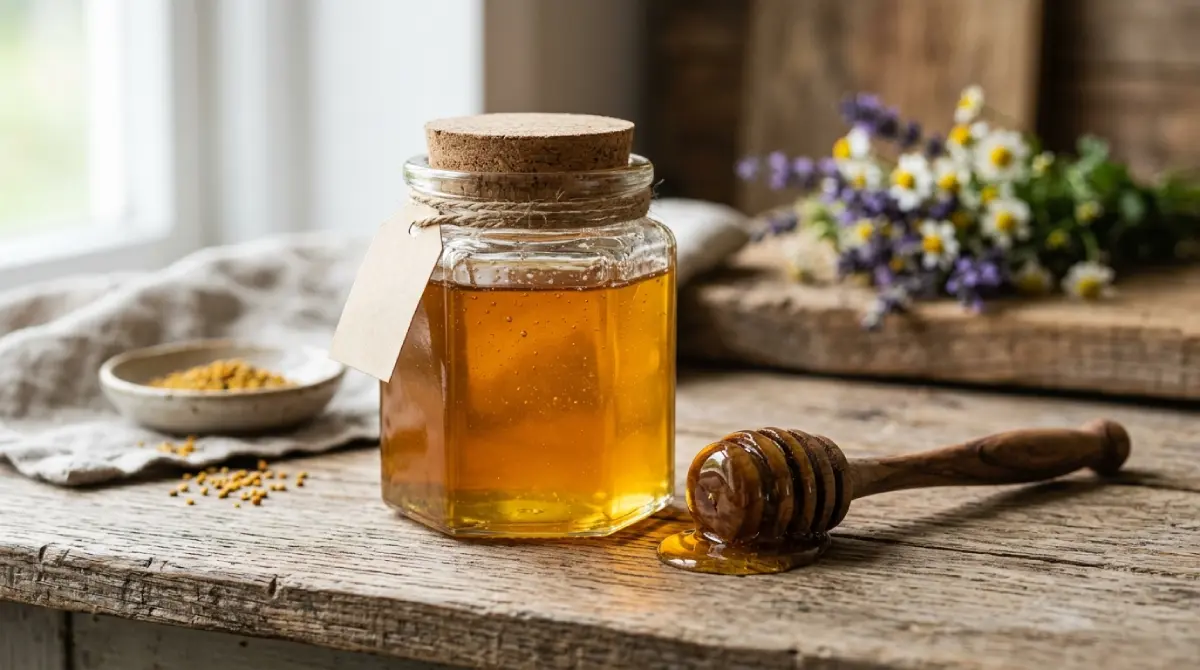
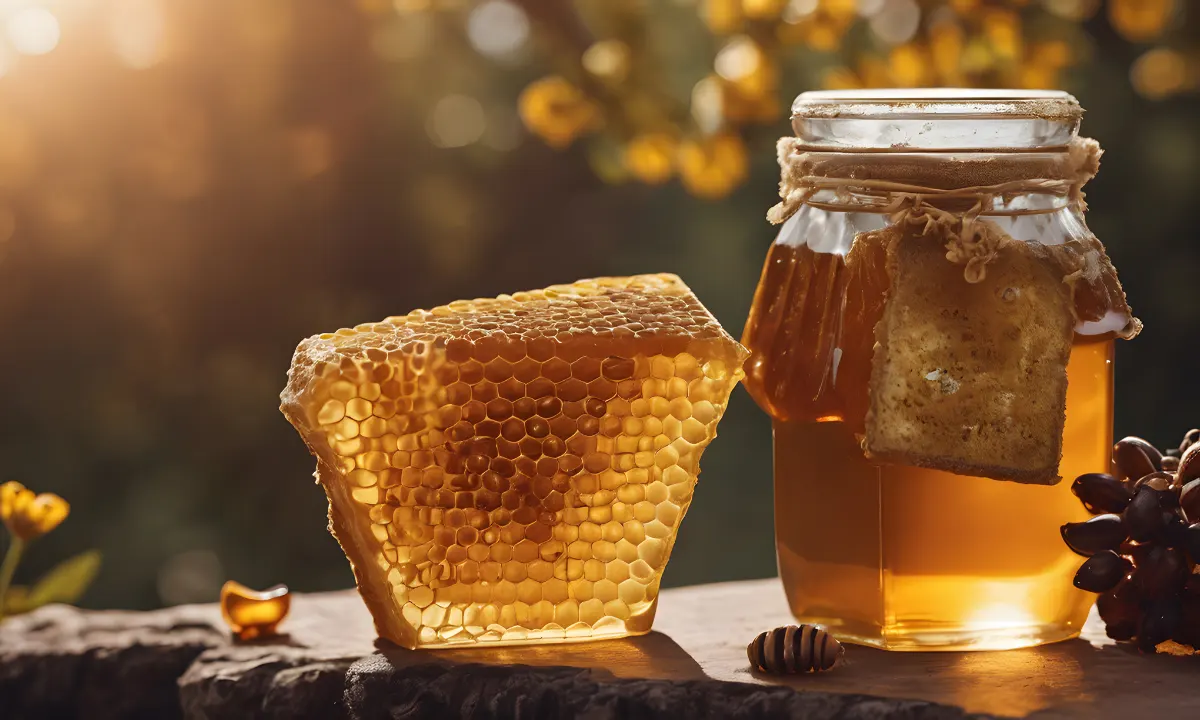
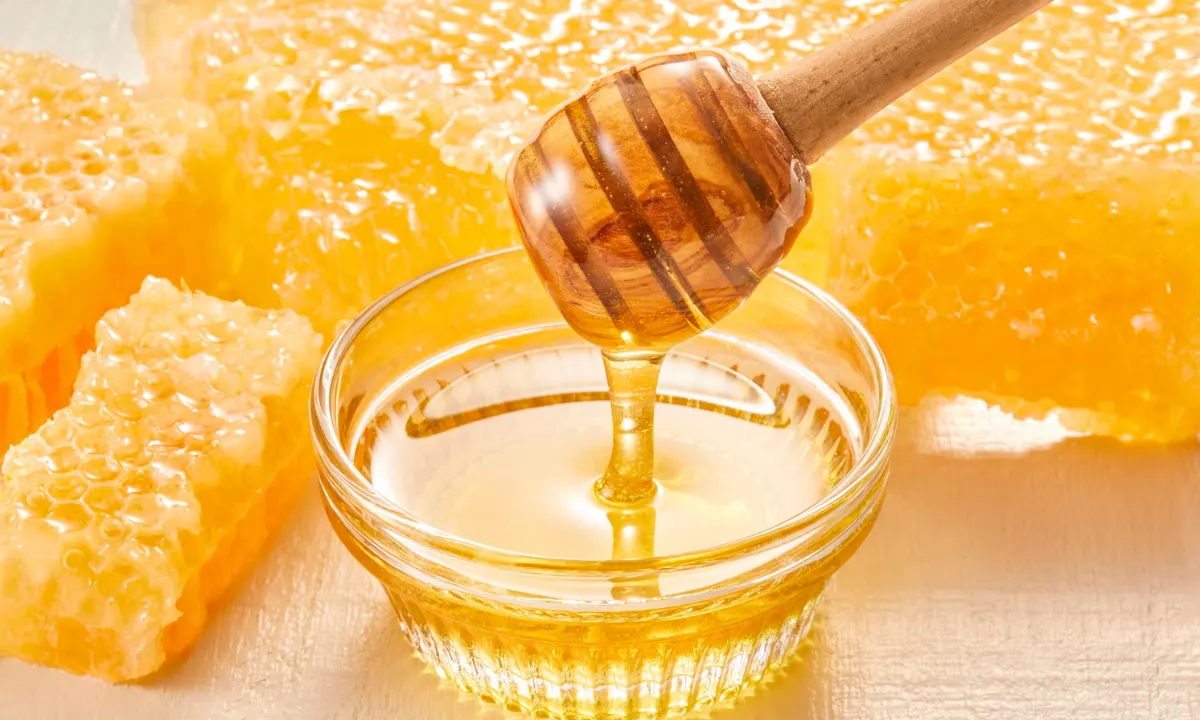
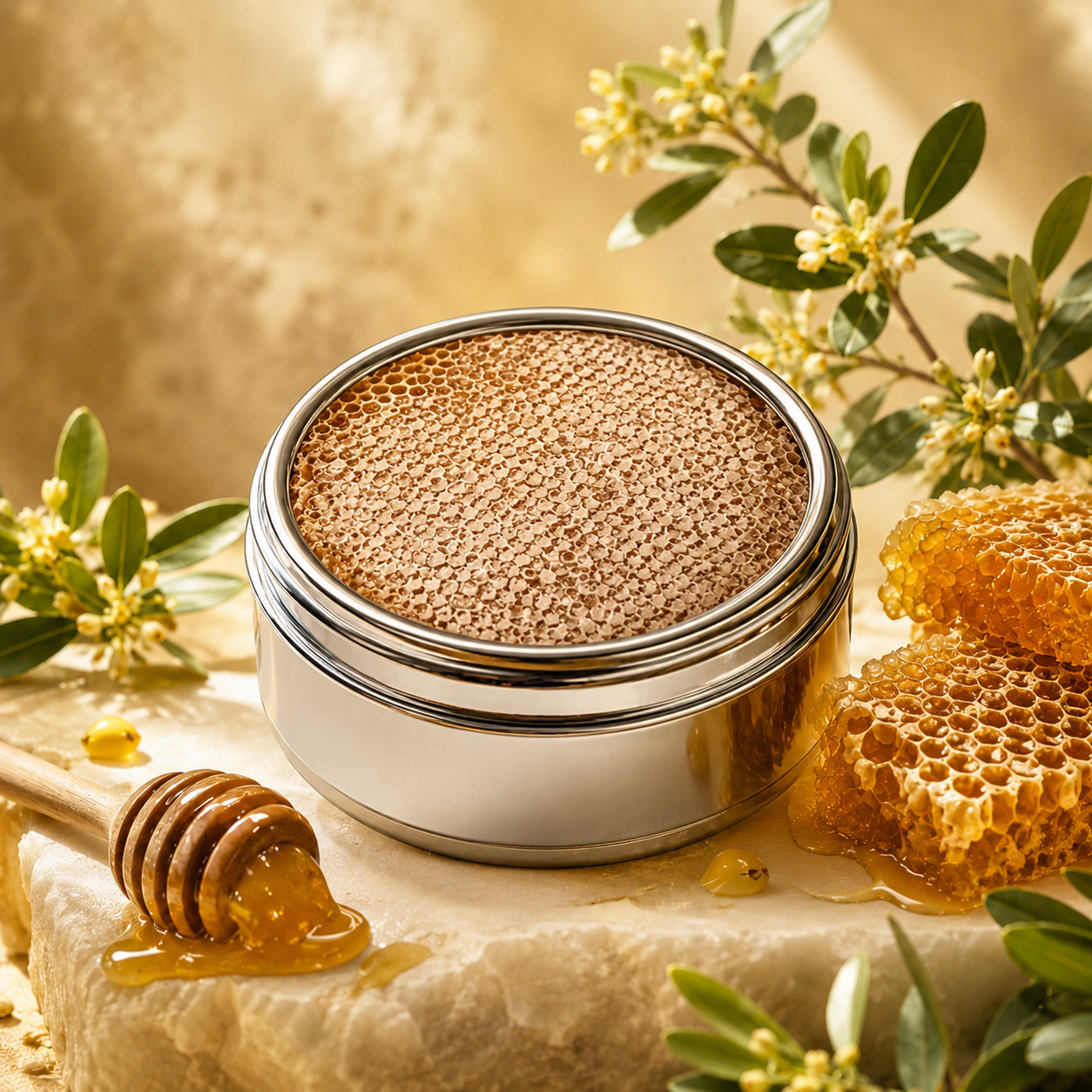
Raw sidr honeycomb is a type of raw honey that stays close to its natural state after being collected from the honeycomb. It is usually extracted from the hive, strained to remove larger particles such as beeswax, and bottled without heavy processing. Unlike many commercial honey products, raw honey is not commonly subjected to high heat treatment or fine filtration that removes tiny natural particles.
Because of this minimal handling, raw honey may contain naturally occurring compounds such as bee pollen, enzymes, and plant-based antioxidants. These components are part of what makes raw honey different in appearance, texture, and flavor compared with heavily processed honey. Raw honey is often preferred by people who want a more traditional honey experience. Its color, taste, and texture can vary depending on the flowers visited by bees, the region where the honey was produced, and the season of collection.
How Raw Honey Is Made From Honey Bees and Honeycomb
The journey of raw honey begins with honey bees collecting nectar from flowers. Honey bees, especially the species Apis mellifera, gather nectar and bring it back to the hive. Inside the hive, bees naturally transform the nectar by adding enzymes and reducing its water content until it becomes honey. The finished honey is stored inside honeycomb cells made from beeswax. The honeycomb acts as a natural storage system where bees protect and preserve their food supply.
When beekeepers harvest honey, they remove the honeycomb frames and extract the honey. Raw honey production usually involves simple steps such as extraction and light straining to remove unwanted pieces of wax or debris while keeping the natural qualities of the honey. This traditional process allows raw honey to maintain many characteristics associated with honey in its original form.
What Makes Raw Honey Different?
The biggest difference between raw honey and regular honey is the amount of processing it receives. Raw honey focuses on keeping the natural structure of honey intact after harvesting.
Raw honey generally involves:
Light straining instead of heavy filtration
Minimal handling after extraction
No unnecessary processing steps
Because it is less processed, raw honey may contain small amounts of bee pollen, natural enzymes, and other compounds that can be reduced during commercial processing. However, raw honey does not mean that it is completely untouched. It is still cleaned and prepared before selling to remove unwanted particles and make it safe for consumers.
Common terms related to raw honey include:
Unfiltered honey
Unprocessed honey
Pure raw honey
Natural honey
These terms describe honey that receives less processing compared with standard commercial honey.
What Is Regular Honey?
Regular honey is honey that has been processed to create a consistent appearance, texture, and shelf experience. Many commercial honey producers use heating and filtration methods to remove small particles and create the clear golden honey commonly seen on store shelves.
The processing does not mean regular honey is fake or poor quality. High quality regular honey can still be a natural product made from honey collected by bees. The main difference is that more steps are used after harvesting to improve appearance and maintain a liquid texture for longer periods. Many consumers choose regular honey because it looks cleaner, spreads easily, and stays smooth for a longer time.
How Regular Honey Is Processed
Commercial honey processing usually includes heating, filtration, and bottling. These steps help manufacturers create a product with a consistent appearance across different batches. Heating is often used to reduce natural yeast activity and slow crystallization. Filtration removes tiny particles such as pollen grains, wax particles, and other natural materials that may make honey appear cloudy.
The common processing steps include:
Honey extraction from honeycomb
Heating or pasteurization
Fine filtration
Packaging and distribution
The goal of processing is mainly related to appearance, texture, and storage stability rather than changing honey into a completely different product.
Why Regular Honey Looks Clear and Smooth
Regular honey often has a bright, transparent appearance because filtration removes many natural particles that are naturally present in raw honey.
During fine filtration, manufacturers may remove:
Bee pollen particles
Small wax particles
Natural sediments
This creates honey with a smooth texture and clear color. Many consumers prefer this appearance because it looks clean and remains liquid for a longer period. Raw honey, on the other hand, may look cloudy or thicker because it contains more natural particles from the hive and the environment where the bees collected nectar.
Is Regular Honey Lower Quality?
Regular honey is not automatically lower quality. The quality of honey depends on several factors, including the source, purity, production methods, and whether any additional ingredients have been added. A high quality regular honey product can still provide the natural sweetness and characteristics people expect from honey. The main difference is that processing changes some physical properties, such as texture, appearance, and crystallization speed.
The important factors to consider when buying honey are:
Trusted source
Clear ingredient information
Authentic production practices
No added sweeteners
Raw Honey vs Regular Honey: Main Differences
Raw honey and regular honey come from the same natural source, but the processing methods create noticeable differences. Understanding these differences helps consumers choose the right type of honey for their preferences.
Processing and Filtration Differences
The main difference between raw honey and regular honey is how much processing happens after harvesting. Raw honey usually receives minimal processing. It is extracted and lightly strained while keeping more natural particles from the hive and flowers. Regular honey usually goes through additional steps such as heating and fine filtration. These steps create a clearer product with a smoother texture.
Nutrients and Natural Compounds
Honey naturally contains sugars, small amounts of minerals, enzymes, and plant compounds. Since raw honey receives less processing, it may retain higher levels of some natural components compared with heavily processed honey.
Raw honey may contain:
Bee pollen
Natural enzymes
Polyphenols
Flavonoids
Amino acids
Regular honey still contains the main nutritional components of honey, including natural carbohydrates such as glucose and fructose, but some heat sensitive compounds may decrease during processing. The difference is mainly related to preservation of natural honey compounds rather than a complete change in nutritional value.
Enzymes Found in Honey
Natural enzymes are one of the components that make honey unique. Bees add enzymes during the process of converting nectar into honey. Important honey enzymes include:
Glucose Oxidase: Glucose oxidase is an enzyme naturally found in honey that plays a role in honey chemistry. It contributes to the formation of certain compounds that are part of honey’s natural protective properties.
Diastase: Diastase is another enzyme found in honey and is sometimes used as an indicator of honey quality and freshness.
Invertase: Invertase helps break down complex sugars into simpler sugars during honey formation.
Because high temperatures can affect enzyme activity, minimally processed honey may retain more enzyme activity compared with heavily heated honey.
Antioxidants and Plant Compounds in Raw Honey
Honey contains naturally occurring plant compounds that come from the flowers visited by bees. These compounds include polyphenols, flavonoids, and phenolic acids, which are known for their antioxidant activity. Antioxidants help protect cells from oxidative stress caused by unstable molecules called free radicals. Raw honey may contain higher amounts of some of these natural compounds because it receives less processing after extraction. The amount of antioxidants can vary depending on the type of flowers, geographical location, climate, and harvesting conditions. For example, darker honey varieties often contain higher levels of certain plant compounds compared with lighter varieties.
It is important to understand that raw honey is still a food product, not a replacement for medical treatments. The value of these compounds comes from being part of a natural diet that includes a variety of nutritious foods.
Bee Pollen and Propolis Content
One of the natural differences between raw honey and highly filtered honey is the presence of small amounts of bee related compounds. Raw honey may contain traces of bee pollen because it is not processed through methods that remove very small particles. Bee pollen comes from flowers and is collected by honey bees during nectar gathering. It contains various natural compounds, including proteins, minerals, and plant compounds. Some people specifically look for raw honey because they prefer honey that maintains these naturally occurring elements.
Raw honey may also contain tiny amounts of bee propolis, a resin like substance collected by bees from plants. Bees use propolis inside the hive as part of their natural hive protection system. The presence of pollen and propolis can vary between honey batches. It also means people with pollen allergies should be aware that raw honey may contain natural pollen particles.
Taste, Texture, and Appearance Differences
The difference between raw honey and regular honey is easy to notice when comparing their appearance and texture.
Raw honey is often:
Cloudy or slightly opaque
Thick and rich in texture
More aromatic
Stronger in natural floral flavor
Regular honey is often:
Clear and bright
Smooth in texture
Mild in taste
More consistent between batches
These differences happen because filtration and heating change the physical characteristics of honey. Raw honey keeps more of the natural materials that come from the hive and flowers, while regular honey is processed to create a uniform product. The flavor of raw honey also depends heavily on its source. Honey collected from different flowers can have completely different tastes, colors, and aromas. This is why local honey varieties often have unique characteristics.
Crystallization Differences Between Raw and Regular Honey
Crystallization is a natural process that happens when glucose in honey forms small crystals over time. It does not mean that honey has expired or become unsafe to eat. Raw honey often crystallizes faster because it may contain natural particles such as pollen and tiny minerals that help crystal formation. Temperature also plays an important role, as cooler conditions can speed up crystallization. Regular honey usually stays liquid longer because fine filtration removes many particles that encourage crystal formation. Heating during processing can also delay crystallization. Both types of honey can return to a smoother texture by gently warming the container in warm water. Excessive heating should be avoided because high temperatures may affect some of honey’s natural compounds.
Why Do People Choose Raw Honey?
Many people choose raw honey because they prefer a product that stays closer to its original form after harvesting. The interest in raw honey is not only about nutrition but also about taste, traditional production methods, and knowing how the product reaches the consumer. For customers looking for natural food products, the processing method is an important part of understanding quality. Raw honey represents a more traditional approach where the goal is to preserve the natural characteristics of honey rather than create a completely uniform product.
More Natural Processing
The main reason people choose raw honey is its minimal processing. After extraction from the honeycomb, raw honey usually goes through simple preparation steps while avoiding heavy filtration and unnecessary treatment.
This approach helps preserve the natural features of honey, including:
Original flavor profile
Natural aroma
Honey texture
Naturally occurring compounds
Consumers who value traditional food production often prefer raw honey because it reflects how honey has been enjoyed for generations.
Natural Flavor and Aroma
Honey flavor is directly connected to where it comes from. Bees collect nectar from different flowers, and each floral source can create a different taste experience.
Factors that influence honey flavor include:
Flower variety
Growing region
Season of collection
Weather conditions
Raw honey often has a stronger floral taste because fewer processing steps are used. This allows the natural characteristics of the honey source to remain noticeable. For example, honey collected from wildflowers may have a different taste compared with honey collected from a single flower source. This natural variation is one reason many customers appreciate raw honey.
Traditional Uses of Raw Honey
Honey has been used in traditional diets and home remedies for centuries. People commonly use raw honey as a natural sweetener in drinks, breakfast foods, desserts, and cooking recipes.
Common uses include:
Adding sweetness to tea
Mixing with yogurt or cereals
Using in homemade recipes
Replacing refined sweeteners
Raw honey works well for people who want a natural alternative to processed sweeteners while enjoying the unique taste of different honey varieties.
Potential Benefits of Raw Honey
Raw honey contains natural compounds that have attracted interest from consumers and researchers. While honey should be viewed as a food rather than a medicine, its natural composition makes it a valuable ingredient in a balanced diet. The benefits people associate with raw honey mainly come from its natural sugars, plant compounds, enzymes, and other components that remain after minimal processing.
Provides Antioxidant Compounds
Raw honey contains plant based compounds such as polyphenols and flavonoids. These compounds have antioxidant properties and help protect against oxidative stress.
The amount and type of antioxidants can vary based on:
Flower source
Honey variety
Geographic location
Processing method
Darker honey varieties often contain more plant compounds compared with lighter varieties, although every honey type has its own characteristics.
Natural Antimicrobial Properties
Honey has natural properties that make it different from many other sweeteners. These properties are linked to factors such as low moisture content, acidity, and compounds produced through natural enzyme activity. Glucose oxidase is one enzyme associated with honey chemistry. It contributes to the formation of hydrogen peroxide activity, which is one reason honey has been studied for its antimicrobial characteristics. Historically, honey has been used in traditional practices, including skin applications. However, medical grade honey products used in healthcare settings are specially prepared and should not be confused with regular food honey.
Natural Energy Source
Honey provides energy through naturally occurring carbohydrates, mainly glucose and fructose. These sugars are easily available sources of energy, which is why honey has traditionally been used as a quick source of fuel. Compared with refined sugar, honey also contains small amounts of natural compounds such as minerals and plant components.
Raw honey can be used as part of a balanced diet in:
Drinks
Breakfast foods
Homemade snacks
Cooking recipes
Like all sweeteners, honey should be consumed in moderation because it still contains natural sugars.
May Support Digestive Health
Honey contains natural compounds that have been studied for their relationship with digestive health. Some research has explored honey’s interaction with beneficial gut bacteria because certain components may act as prebiotic substances.
The gut microbiome includes helpful bacteria such as:
Lactobacillus
Bifidobacteria
More research is needed to fully understand these effects, but honey remains an interesting natural food because of its complex composition compared with refined sweeteners.
How To Choose High Quality Raw Honey
Choosing good honey is about more than selecting a jar with an attractive label. Quality depends on the source, production methods, and transparency of the producer. A trustworthy honey brand should provide clear information about where the honey comes from and how it is handled before reaching customers.
Check The Label and Source
When buying raw honey, look for information such as:
Raw honey description
Country or region of origin
Producer details
Ingredient information
Processing methods
A reliable producer should be open about sourcing and production practices. For customers buying natural food products, knowing the origin of honey creates more confidence because honey characteristics can change depending on flowers, region, and harvesting methods.
Avoid Fake or Low Quality Honey
Honey adulteration is a concern in some markets, where lower quality sweeteners may be mixed with honey to reduce costs.
Signs that may indicate poor quality include:
Extremely low prices compared with similar products
Missing ingredient information
Unclear sourcing details
Added sweeteners or syrups
Real honey naturally varies in color, texture, and flavor. A difference in appearance does not always mean a product is poor quality because honey naturally changes depending on its floral source.
Why Source Quality Matters More Than Labels
Labels provide useful information, but the producer behind the product is equally important. A trusted honey supplier focuses on responsible sourcing, careful handling, and maintaining product quality. At New Day Naturals,customers looking for natural food products can explore honey options with greater confidence by understanding the source, production methods, and qualities that make each honey variety unique.
Raw Honey Safety Information
Raw honey is considered safe for most adults and older children, but there are important safety points every consumer should know. Because honey is a natural product collected from the environment, it can contain naturally occurring microorganisms. Certain groups need extra care when consuming honey.
Why Babies Under 12 Months Should Avoid Honey
Babies under one year old should not consume honey because of the risk of infant botulism. Honey may contain spores of Clostridium botulinum, a type of bacteria that can be harmful to infants because their digestive systems are still developing. According to guidance from organizations such as the Centers for Disease Control and Prevention (CDC), honey should not be given to babies younger than 12 months.
This safety recommendation applies to all types of honey, including:
Raw honey
Organic honey
Regular honey
Allergy Considerations
Raw honey may contain small amounts of bee pollen, which can be a concern for people with pollen allergies or sensitivities to bee products. People with a history of severe allergic reactions should be aware that natural bee products may cause reactions in sensitive individuals.
Possible allergy related concerns include:
Pollen allergy
Allergic rhinitis
Severe allergic reactions such as anaphylaxis
Frequently Asked Questions About Raw Honey
What is raw honey?
Raw honey is honey that has received minimal processing after being collected from the honeycomb. It is usually strained to remove unwanted particles while keeping more of its natural characteristics.
Is raw honey better than regular honey?
Raw honey may be preferred by people who want honey with less processing and more natural characteristics. Regular honey can also be a good choice for people who prefer a clear appearance and smoother texture.
Does raw honey contain more nutrients?
Raw honey may retain higher amounts of some natural compounds, including enzymes and plant compounds, because it receives less processing. The exact composition depends on the honey source and production method.
Why is raw honey cloudy?
Raw honey can appear cloudy because it may contain natural particles such as pollen and tiny wax particles. This is a normal characteristic of minimally processed honey.
Does heating reduce honey enzymes?
High temperatures can affect some natural enzymes found in honey. This is one reason raw honey is often preferred by people who want honey with minimal processing.
Why does raw honey crystallize?
Raw honey crystallizes naturally because glucose forms crystals over time. Factors such as temperature and natural particles in honey can affect how quickly crystallization happens.
Is organic honey the same as raw honey?
No. Organic describes production standards, while raw describes processing methods. A honey product can be organic, raw, both, or neither.
How can you tell if honey is real?
Look for clear ingredient information, trusted sourcing, and reliable producers. Very low prices, unclear labels, or added sweeteners may indicate poor quality products.
Final Verdict: Should You Choose Raw Honey or Regular Honey?
Raw honey and regular honey both come from the same natural source, but the difference comes down to processing, appearance, and personal preference. Raw honey is a good choice for people who prefer minimally processed honey with natural texture, flavor, and compounds that remain after careful extraction. Regular honey can be suitable for those who prefer a clear, smooth product that stays liquid longer. The most important factor is choosing authentic honey from a trustworthy source. Understanding how honey is produced and processed allows you to make a better decision based on quality rather than marketing labels. At New Day Naturals, we focus on providing natural products that help customers make informed choices. By understanding the difference between raw honey and regular honey, you can select a honey variety that fits your taste, lifestyle, and expectations.
Recent Posts