
How To Identify Pure Honey In UAE: Signs And Buying Tips
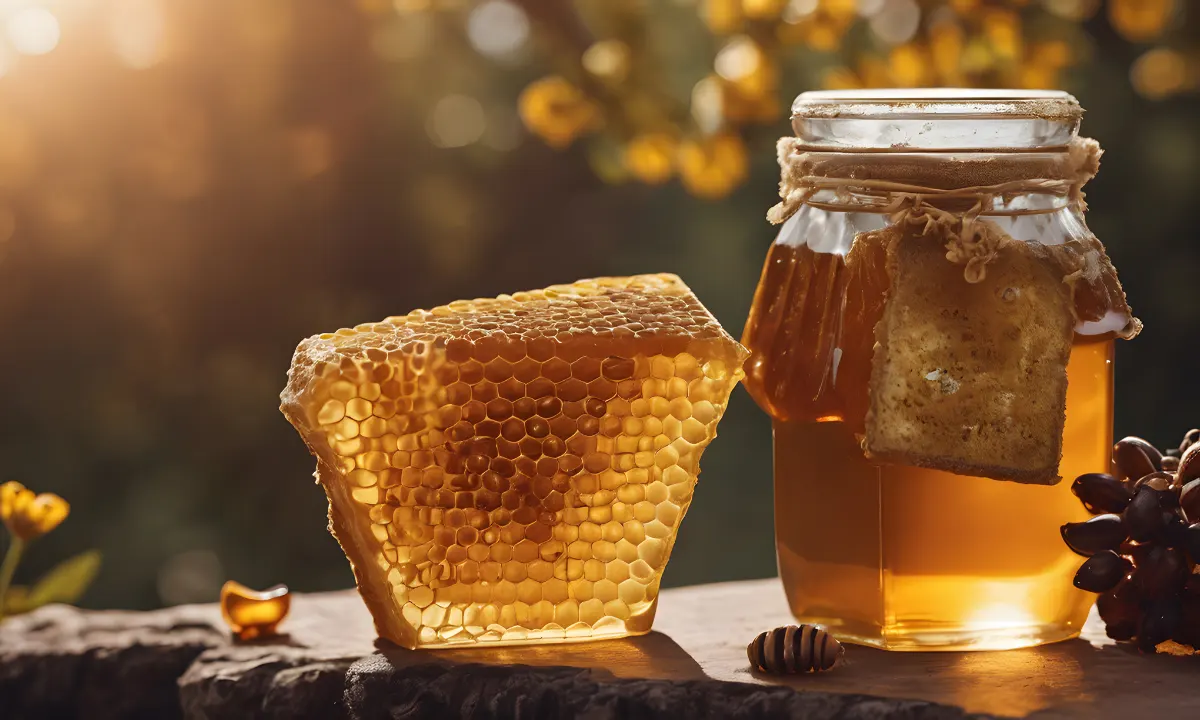
Honey is one of the most popular natural foods in the UAE, but many buyers face a common problem: how can they know if the honey they are purchasing is genuine? Different brands, price ranges, imported varieties, and attractive packaging can make it difficult to separate pure honey from products that may contain added syrups or lower quality blends. A jar that looks clear and premium does not always tell the full story. The best way to identify pure honey is to understand its source, check product information, recognize natural characteristics, and choose suppliers that follow proper quality practices.
For UAE customers, honey quality depends on several factors, including where the honey comes from, how it is processed, and whether the producer provides clear information about the product. Learning these details helps buyers make better decisions and choose authentic honey with confidence.
What Does Pure Honey Mean?
Pure honey refers to honey that contains only natural honey produced by bees, without added sugar, artificial sweeteners, or other ingredients. Bees create honey by collecting nectar from flowers and transforming it inside the hive before storing it in honeycomb cells. After harvesting, genuine honey should maintain the natural characteristics that come from its floral source and production process. A pure honey product should not contain ingredients such as glucose syrup, fructose syrup, corn syrup, or added sugar. These substances are sometimes used in low-quality products to increase volume or reduce production costs, but they affect the authenticity and natural composition of honey.
Pure honey does not always look identical from one jar to another. Natural differences in color, texture, and taste are expected because honey changes depending on the flowers visited by bees, the region where it is produced, and the season of harvesting.
Pure Honey vs Raw Honey vs Natural Honey
Many consumers confuse these terms because they are often used together on honey labels. However, each term describes a different quality aspect of honey. Pure honey focuses on the ingredients. It means the product contains honey without added substances. Raw honey focuses on processing. Raw honey usually receives minimal processing after extraction and may retain more natural particles such as bee pollen and enzymes. Natural honey generally means the product does not contain artificial additives, but it may still be filtered, heated, or processed before reaching customers. A honey product can be pure and processed, raw and pure, or both raw and organic. Understanding these differences helps buyers avoid confusion created by marketing terms.
Why Honey Purity Matters In UAE
The UAE has a strong demand for premium honey because many customers value natural foods and traditional honey varieties. From locally available options to imported varieties such as raw sidr honey and Manuka honey, buyers have many choices. However, the wide range of products also makes it important to understand how honey quality is determined. Pure honey provides customers with confidence that they are purchasing a genuine bee product rather than a mixture that only looks like honey. Checking quality information before buying is especially important when purchasing premium varieties where price differences can be significant.
Growing Demand For Premium Honey Products
Honey is widely used in UAE households as a natural sweetener and traditional food product. Many customers look for honey varieties based on taste, origin, and production methods.
Popular honey categories in the UAE include:
Sidr honey
Yemeni Sidr honey
Acacia honey
Manuka honey
Wildflower honey
Raw honey
Each premium honey varieties has different characteristics because bees collect nectar from different plants and environments. For example, Sidr honey is known for its strong demand in the UAE market, while Acacia honey is often preferred by customers who enjoy a lighter taste and slower crystallization. Understanding these differences helps buyers focus on quality instead of choosing honey only based on appearance or price.
Common Honey Adulteration Methods
Honey adulteration happens when substances are added to honey to increase quantity or lower production costs. These additions can reduce the natural quality of the product and make it harder for consumers to identify authentic honey.
Common substances associated with honey adulteration include:
Glucose syrup
Fructose syrup
Corn syrup
Added sugar
Artificial sweeteners
Some adulterated products may still look similar to real honey, which is why checking only color or thickness is not enough. Authentic honey identification requires looking at several quality indicators together. Food authenticity is an important part of honey quality because customers want to know that the product matches what is written on the label.
Difference Between Pure Honey and Honey Blends
Pure honey contains honey as the main ingredient without added sweeteners. Honey blends may combine different honey sources or include additional ingredients depending on how they are produced. A honey blend is not always unsafe, but customers should understand what they are buying. Clear labeling allows buyers to make informed decisions and choose products that match their expectations. A trustworthy honey supplier should provide transparent information about ingredients, sourcing, and production methods. This transparency helps customers identify genuine products in a competitive market.
How To Identify Pure Honey Before Buying In UAE
Before purchasing honey in the UAE, customers can check several important details that provide better information about product quality. While no single visual sign can guarantee purity, combining different checks gives a clearer picture of the honey’s authenticity.
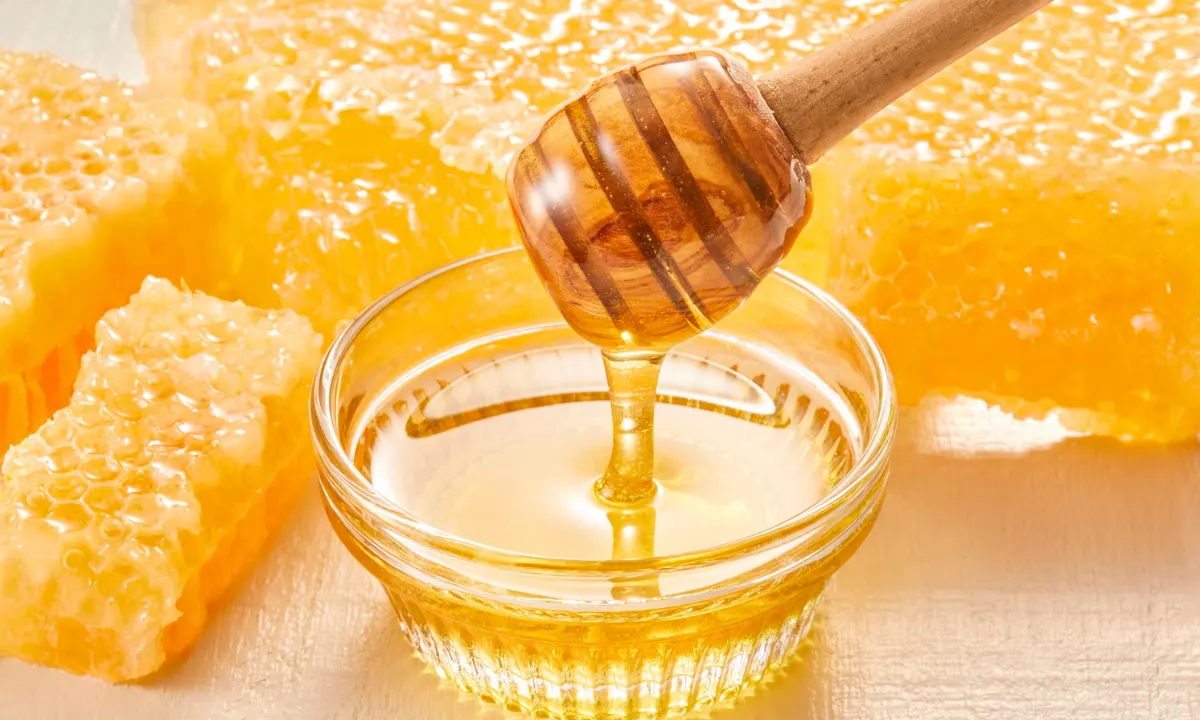
Check Ingredients And Product Label
The first step is reading the product label carefully. A quality honey product should clearly state what it contains and provide basic information about the producer.
A good honey label should include:
Honey as the main ingredient
Producer or brand information
Country of origin
Batch details where available
Customers should be careful with products that mention additional sweeteners or ingredients such as glucose syrup, corn syrup, or artificial additives. Clear labeling is a sign that a producer values transparency and wants customers to understand what they are purchasing.
Check Honey Source And Origin
The source of honey plays an important role in its quality and characteristics. Honey is influenced by the plants that bees visit, the region where it is produced, and the methods used during harvesting.
Important source information includes:
Flower source
Country or region of production
Beekeeping practices
Harvest information
For example, Yemeni Sidr honey comes from bees that collect nectar from Sidr trees, while Acacia honey comes from Acacia flower sources. These differences affect the honey’s flavor, color, and texture. Knowing the origin helps customers understand why different honey varieties have different prices and characteristics.
Look For Quality Standards And Certifications
Quality standards provide additional confidence when purchasing honey. In the UAE, food products are regulated through established safety and quality systems that help maintain product standards.
Important quality indicators may include:
Emirates Authority for Standardization and Metrology (ESMA) standards
Gulf Standardization Organization (GSO) standards
Halal certification
ISO 22000 food safety management system
These certifications and standards focus on areas such as food safety, handling, and quality control. They do not replace personal evaluation, but they provide useful information about how a product is managed. A trusted natural food brand should be able to explain its sourcing and quality practices clearly. At New Day Naturals, product transparency and careful sourcing help customers understand the honey they choose for their families.
Natural Characteristics Of Pure Honey
Pure honey has natural characteristics that can help customers understand its quality, but it is important to remember that no single physical feature can prove honey purity by itself. Honey naturally changes depending on its flower source, location, harvesting method, and storage conditions. Instead of judging honey only by its appearance, buyers should look at multiple signs together. Authentic honey usually shows natural variations because it is a product created by bees and influenced by the environment where it is produced.
Texture, Thickness, and Flow
One common characteristic of pure honey is its natural thickness. Fresh honey usually has a smooth and dense texture because it contains natural sugars and compounds created during the honey-making process. When poured, genuine honey often flows slowly compared with products that contain large amounts of added liquid sweeteners. However, thickness alone cannot confirm purity because temperature, honey variety, and storage conditions can change how honey moves.
For example, some honey types naturally have a thicker consistency, while others remain more fluid. Raw honey may also feel different from filtered honey because it can contain tiny natural particles such as pollen. Customers should use texture as one quality indicator along with other factors such as source information and labeling.
Aroma, Taste, and Color
Pure honey usually has a natural aroma and flavor that reflects the flowers visited by bees. Unlike simple sugar syrups, which often have a plain sweetness, authentic honey can contain different taste notes depending on its floral source.
The flavor of honey can range from:
Light and mild
Floral and sweet
Rich and deep
Slightly earthy
Honey color also varies naturally. Some varieties appear light golden, while others have darker amber shades. These differences are influenced by the nectar source, minerals, and geographic location. A darker color does not always mean better quality, and a lighter color does not mean the honey is fake. For example, Acacia honey is often lighter in color, while some forest and mountain honeys naturally appear darker.
Crystallization Is A Natural Process
Many people believe that crystallized honey is fake, but this is a common misunderstanding. Crystallization is a natural process that occurs when glucose in honey forms small crystals over time.
The speed of crystallization depends on several factors:
Honey variety
Glucose and fructose balance
Storage temperature
Natural particles present in honey
Raw honey often crystallizes faster because it may contain natural particles such as pollen that support crystal formation. Some varieties, such as Acacia honey, may remain liquid for longer because of their natural sugar composition. Crystallization does not mean honey has spoiled. It is simply a natural change in texture and many people continue to use crystallized honey without any issue.
Do Home Honey Tests Really Prove Purity?
Many people search for quick ways to check honey purity at home. Online videos often show simple methods such as the water test, flame test, or thumb test. These methods are popular because they appear easy, but they cannot scientifically confirm whether honey is completely pure. Home tests may show certain physical properties of honey, such as thickness or density, but they cannot detect all forms of adulteration. A product mixed with certain syrups may still behave similarly to natural honey in some simple tests. Understanding the limits of these tests helps customers avoid relying on misleading information.
Water Test
The water test is one of the most commonly shared honey purity tests. The idea behind this test is that pure honey sinks slowly in water while fake honey dissolves quickly. However, this test mainly shows how honey behaves when mixed with water. It is affected by factors such as:
Honey thickness
Temperature
Moisture content
The water test cannot confirm:
Whether honey contains added syrups
Whether the honey source is authentic
Whether the product meets quality standards
It can be an interesting observation, but it should not be considered a reliable purity test.
Thumb Test And Other Viral Tests
The thumb test involves placing a small amount of honey on the thumb and observing how it spreads or flows. Similar tests include:
Flame test
Vinegar test
Bread test
These methods are often shared online as ways to identify fake honey, but they have limitations. Honey naturally varies between different types, and physical reactions can change depending on moisture level, temperature, and storage. For example, a thick honey does not automatically prove purity, and a thin honey does not automatically mean it is fake. These tests may help people observe honey characteristics, but they cannot replace proper quality verification.
Why Laboratory Testing Is More Reliable
Professional honey testing provides a more accurate way to evaluate authenticity because laboratories can examine the actual composition of honey.
Scientific testing can check:
Sugar composition
Moisture content
Pollen information
Chemical markers
Signs of added syrups
Laboratory testing is especially important for premium honey varieties where customers expect clear information about quality and origin.
How Honey Authenticity Is Verified Professionally
Authentic honey verification focuses on scientific analysis and product traceability rather than appearance alone. Food quality specialists use different testing methods to understand whether honey matches its label and expected characteristics. For premium honey suppliers, quality control helps maintain customer trust and ensures that products meet safety expectations.
Laboratory Honey Testing Methods: Professional honey laboratories use different methods depending on the type of analysis required.
Moisture Content Testing: Moisture testing checks the amount of water present in honey. Proper moisture levels are important because excessive moisture can affect honey quality and storage stability.
Sugar Composition Analysis: Sugar analysis helps identify unusual sugar patterns that may suggest the presence of added sweeteners or syrups. This testing can help detect:
Glucose syrup
Fructose syrup
Other added sugars
Pollen Analysis: Pollen analysis helps identify the botanical source of honey by examining pollen grains naturally found in the product. This information can provide insight into:
Flower source
Honey variety
Geographic origin
Chemical Marker Testing: Chemical analysis can identify specific markers related to honey quality and possible adulteration.
These tests provide stronger evidence than simple visual checks.
Why Lab Testing Is More Reliable
Honey purity is a complex subject because natural honey changes based on its source. Two genuine honey varieties can look completely different while both being authentic. Laboratory testing provides information that cannot be confirmed through appearance alone. It helps identify issues such as:
Added syrups
Unusual sugar profiles
Quality problems
Incorrect labeling
For customers buying premium honey in the UAE, choosing suppliers that focus on transparency, sourcing, and quality practices provides greater confidence.
Pure Honey vs Fake Honey: Key Differences
Understanding the difference between pure and fake honey helps customers recognize important quality factors before purchasing.
The most important difference is not only how honey looks but how it is produced, sourced, and verified.
Popular Pure Honey Types Available In UAE
The UAE honey market includes many varieties from different regions, each with its own taste, aroma, texture, and production story. The best honey choice depends on personal preference, intended use, and the information available about its source. Understanding common honey varieties helps customers make better buying decisions instead of choosing only based on price or appearance.
Sidr Honey
Sidr honey is one of the most valued honey varieties in the UAE market. It comes from nectar collected by bees from Sidr trees, which are found in regions including Yemen and parts of the Arabian Peninsula. Many customers prefer Sidr honey because of its rich flavor, natural aroma, and traditional importance. Yemeni Sidr honey is especially popular among buyers looking for premium honey products.
When purchasing Sidr honey, customers should pay attention to:
Country of origin
Producer information
Authentic sourcing details
Quality documentation
Because premium honey varieties often have higher prices, transparent sourcing becomes an important factor in choosing an authentic product.
Manuka Honey
Manuka honey is a premium honey variety that comes from New Zealand and is known for its unique characteristics. It is often evaluated using grading systems such as the MGO rating, which measures specific natural compounds associated with Manuka honey.
Customers interested in Manuka honey should check:
Authentic origin information
MGO rating
Brand transparency
Quality certification
Due to its premium position, Manuka honey is also a category where buyers should be careful and purchase from reliable suppliers.
Acacia Honey
Acacia honey is known for its light color, mild flavor, and smooth texture. It is often preferred by people who enjoy a softer honey taste. One characteristic of Acacia honey is that it may remain liquid longer compared with some other honey varieties because of its natural sugar composition.
Customers often choose Acacia honey for:
Tea and beverages
Breakfast foods
Everyday sweetening
Raw Honey
Raw honey refers to honey that receives minimal processing after harvesting. It is usually lightly strained and may retain natural components such as pollen and enzymes. People who prefer raw honey often choose it because they value:
Less processing
Natural texture
Traditional honey characteristics
However, raw honey quality still depends on the source, handling, and transparency of the producer.
How To Buy Authentic Honey In UAE
Choosing authentic honey requires more than selecting an attractive package. A reliable purchase decision comes from understanding the supplier, checking product details, and knowing what information a quality honey brand should provide. The UAE offers many options for buying honey, including supermarkets, specialty stores, and online honey suppliers. Regardless of where you buy, transparency should be a priority.
Choose Transparent Honey Suppliers
A trustworthy honey supplier should provide clear information about:
Honey origin
Product ingredients
Processing methods
Quality practices
Brands that explain where their honey comes from make it easier for customers to understand what they are purchasing. At New Day Naturals, focusing on natural products and clear product information helps customers choose honey with greater confidence. Understanding the source and quality behind a product creates a better buying experience.
Buy Honey From Reliable Online Stores
Online honey shopping has become common in the UAE because customers can compare different products and access a wider range of varieties.
Before purchasing honey online, check:
Product descriptions
Brand reputation
Customer feedback
Source information
Available quality details
A professional honey website should provide enough information for customers to understand the product before placing an order.
Store Honey Correctly After Purchase
Proper storage helps maintain honey quality after purchase. Honey naturally has a long shelf life, but incorrect storage can affect its texture and overall condition.
Best storage practices include:
Keep honey in a tightly sealed container
Store it away from moisture
Avoid direct sunlight
Keep it away from excessive heat
Honey does not require refrigeration. Room temperature storage is usually suitable for maintaining its natural quality.
Frequently Asked Questions About Pure Honey UAE
How can I identify pure honey in UAE?
Pure honey can be identified by checking several factors together, including ingredients, source information, quality standards, and supplier transparency. Physical signs such as texture, aroma, and crystallization can provide clues but cannot confirm purity alone.
Does the water test prove honey purity?
No. The water test cannot prove that honey is pure. It only shows how honey behaves when mixed with water and cannot detect all types of adulteration, such as added syrups or unusual sugar composition.
Is crystallized honey real?
Yes, crystallization is a natural process that happens when glucose in honey forms crystals. Many genuine honey varieties crystallize over time, and this does not mean the honey is fake.
How is honey tested in laboratories?
Laboratories test honey using methods such as moisture content testing, sugar composition analysis, pollen analysis, and chemical marker testing. These methods provide more accurate information about honey quality and authenticity.
What certifications should UAE honey have?
Depending on the product and supplier, quality indicators may include standards related to ESMA, GSO, Halal certification, and ISO 22000 food safety management systems.
Is expensive honey always pure?
No. A higher price does not automatically guarantee purity. Price differences can come from honey type, origin, availability, and production methods. Buyers should check quality information instead of relying only on price.
Which honey is best in UAE?
The best honey depends on personal preference. Popular choices include Sidr honey, Acacia honey, Manuka honey, and raw honey. The most important factor is choosing authentic honey from a trusted source.
Final Thoughts On Choosing Pure Honey In UAE
Identifying pure honey in the UAE requires looking beyond appearance and simple online tests. Genuine honey is connected to its source, production methods, and the transparency of the supplier. While home tests can help you observe characteristics such as thickness or crystallization, they cannot confirm complete authenticity. The strongest signs of quality include clear labeling, reliable sourcing information, proper handling, and trustworthy production practices. Whether you prefer Sidr honey, raw honey, Acacia honey, or another variety, understanding these factors helps you choose a product that matches your expectations.
New Day Naturals focuses on providing natural food products with clear information and quality sourcing, helping customers explore authentic honey options with confidence. By learning how to identify pure honey, buyers can make informed decisions and enjoy the natural qualities that genuine honey offers.
Recent Posts