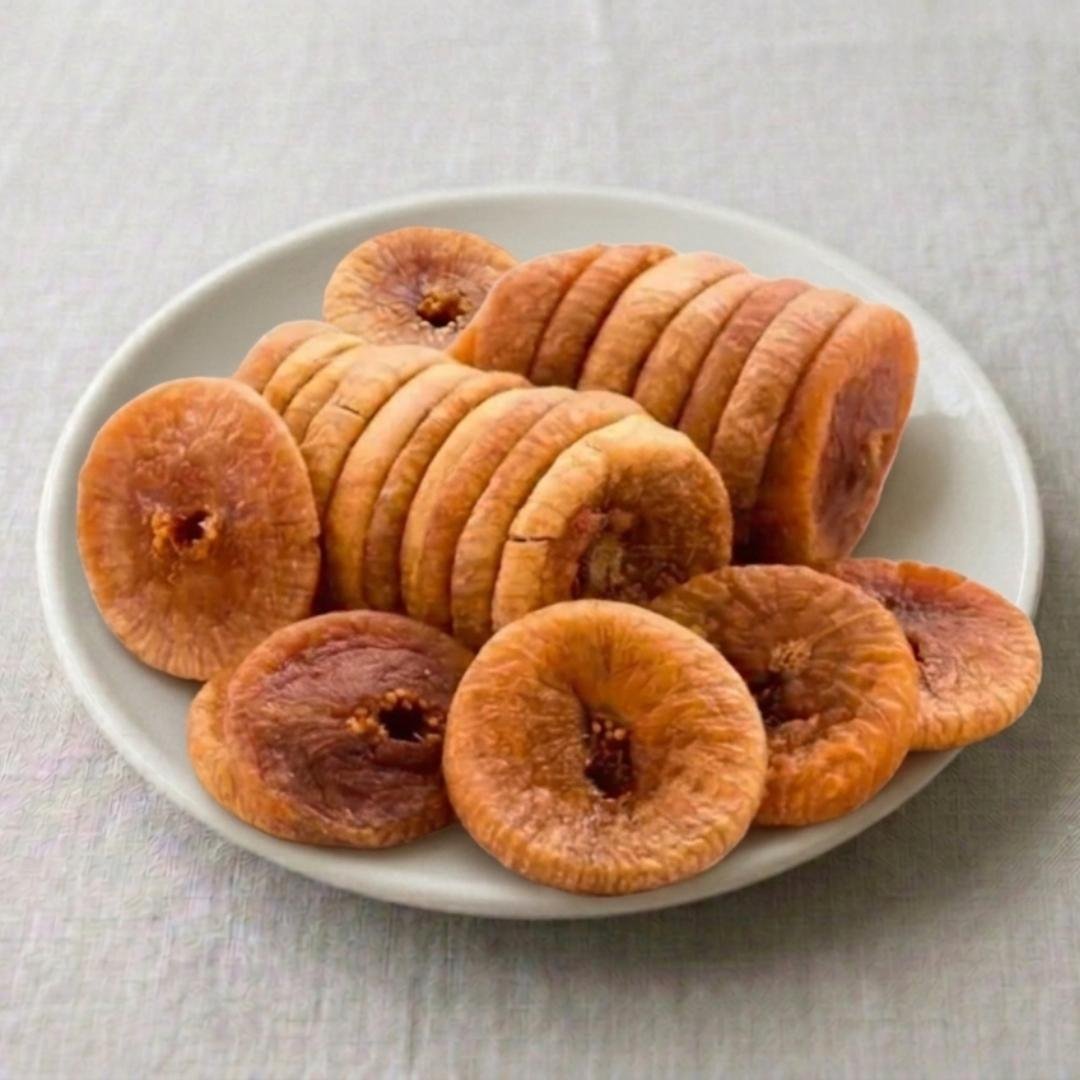
While fresh figs are delicate and highly seasonal, drying them transforms the fruit into a shelf-stable powerhouse. The drying process evaporates the water, concentrating the natural sugars and fiber. Most premium dry figs come from the Mediterranean basin—specifically Turkey (Aydin region), Greece, and Afghanistan—where the hot sun naturally cures the fruit on the tree before they are harvested.
Characteristics of Dry Figs
Dry figs are unique for their complex internal structure and honey-like sweetness:
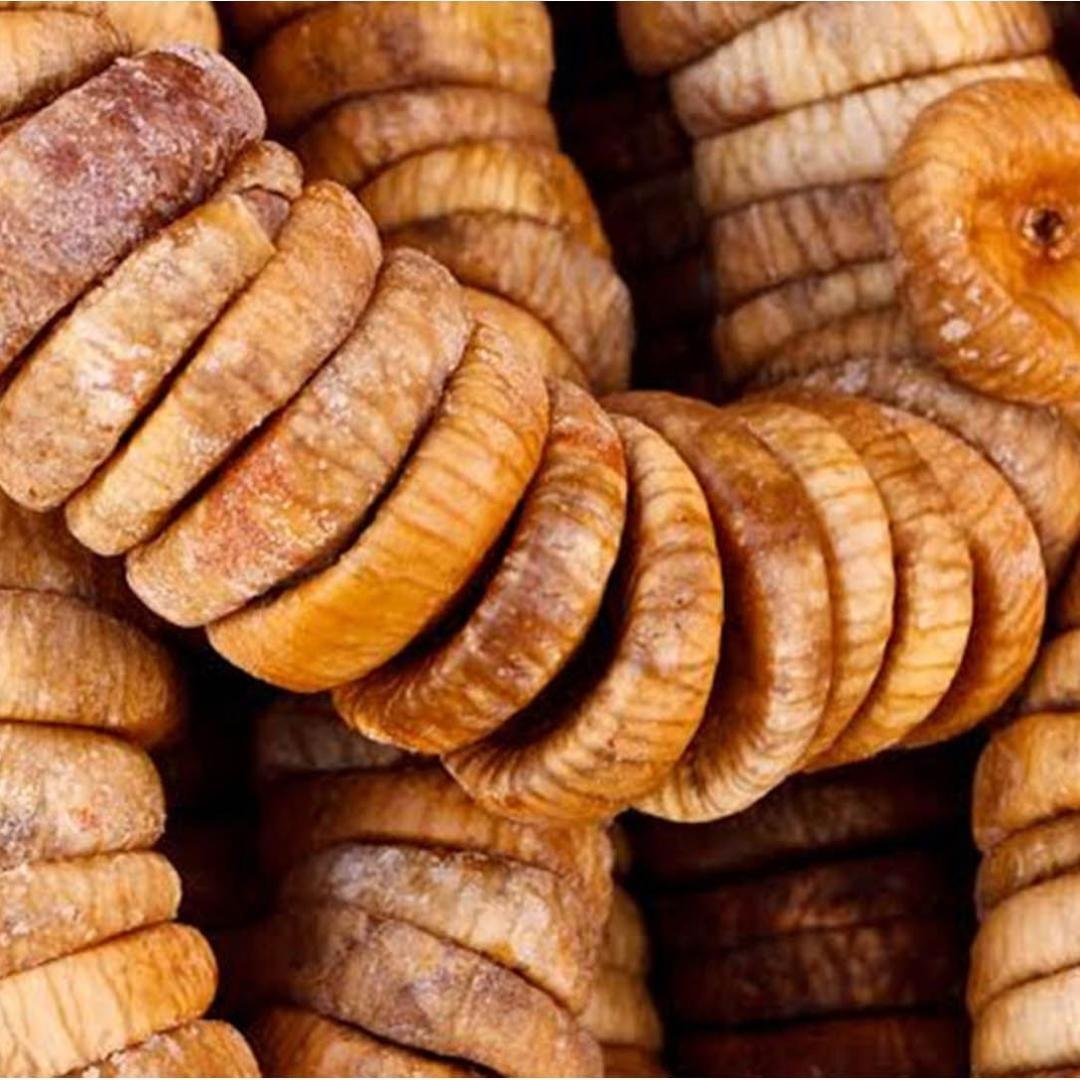
- Appearance: They range from a light golden-tan to a deep, dusty purple. They are often flattened into a "disc" shape (Lerida style) or left round (Protoben).
- Texture: A fascinating contrast—a chewy, jammy outer skin filled with thousands of tiny, crunchy seeds that provide a delightful "pop" in every bite.
- The "Sugar Frost": High-quality dry figs often develop a white, powdery dusting on the skin. This is not mold; it is natural fruit sugar (glucose) that has crystallized on the surface.
- Flavor Profile: Intense notes of butterscotch, honey, and red wine with a mild earthy undertone.
Benefits
Figs are often called the "remedy fruit" because of their profound impact on digestion and bone health:
- Digestive Champion: They are incredibly high in soluble fiber (pectin), making them one of the most effective natural remedies for constipation and irregular digestion.
- Bone Density: Figs are one of the few fruits rich in calcium, providing a plant-based boost for bone strength.
- Prebiotic Power: The fiber in figs acts as a "fuel" for good gut bacteria, promoting a healthy microbiome.
- Mineral Wealth: They are loaded with potassium, magnesium, and iron, which help manage blood pressure and combat fatigue.
- Low Glycemic Load: Despite their sweetness, their high fiber content helps slow down sugar absorption, providing steady energy.
Uses of Dry Figs
Dry figs are a "sophisticated" ingredient that fits into both sweet and savory palettes:
- Cheese Boards: The classic partner for sharp blue cheese, creamy brie, or salty Manchego.
- Soaked Figs: Steeping them in warm water or milk overnight makes them incredibly plump and easy to digest as a morning tonic.
- Baking: Chopped and added to fruitcakes, sourdough, or "Fig Newtons" for a natural, jammy sweetness.
- Energy Bars: Blended with walnuts and cinnamon to create raw, no-bake energy bites.
- Savory Stews: A staple in Moroccan Tagines, where they are simmered with lamb or chicken to create a rich, fruity sauce.
Why Dry Figs Jumbo is a Favorite Choice
In the fig industry, size is a direct marker of "Grade A" quality. The Jumbo (or "Size 1") figs are the elite selection for several reasons:
- Flesh-to-Skin Ratio: Jumbo figs are much "meatier." Smaller figs can sometimes be mostly skin and seeds, but Jumbo varieties offer a thick, succulent interior.
- Softness: Larger figs retain a higher percentage of internal moisture during the drying process, ensuring they stay soft and "jammy" rather than becoming hard or leathery.
- Visual Appeal: Jumbo figs are the preferred choice for gifting and display. They are typically hand-sorted to ensure they are plump, unblemished, and uniform in color.
- The "Honey" Center: Because Jumbo figs come from the largest, most mature fruits, they often have a more developed "honey core" that oozes sweetness when bitten into.