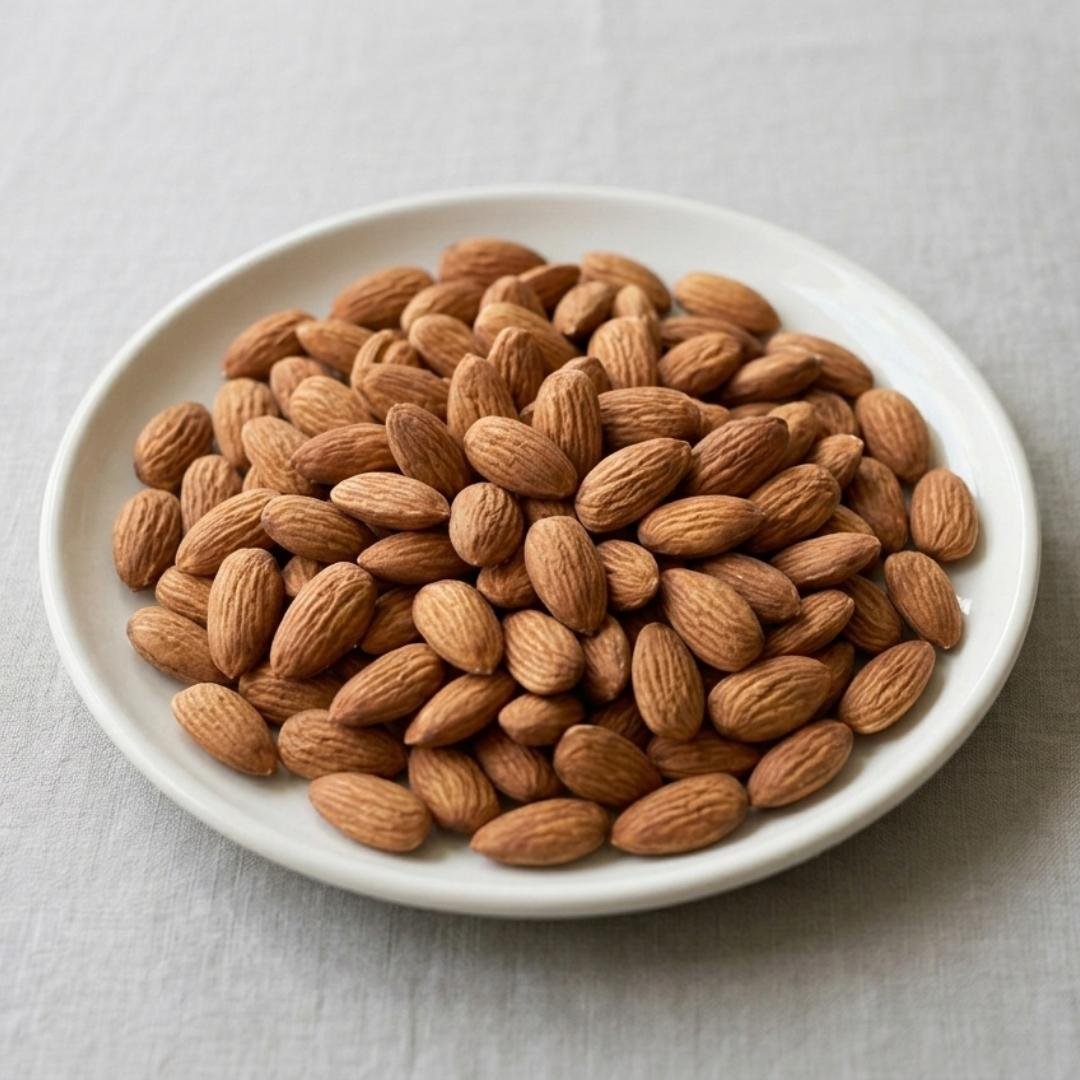
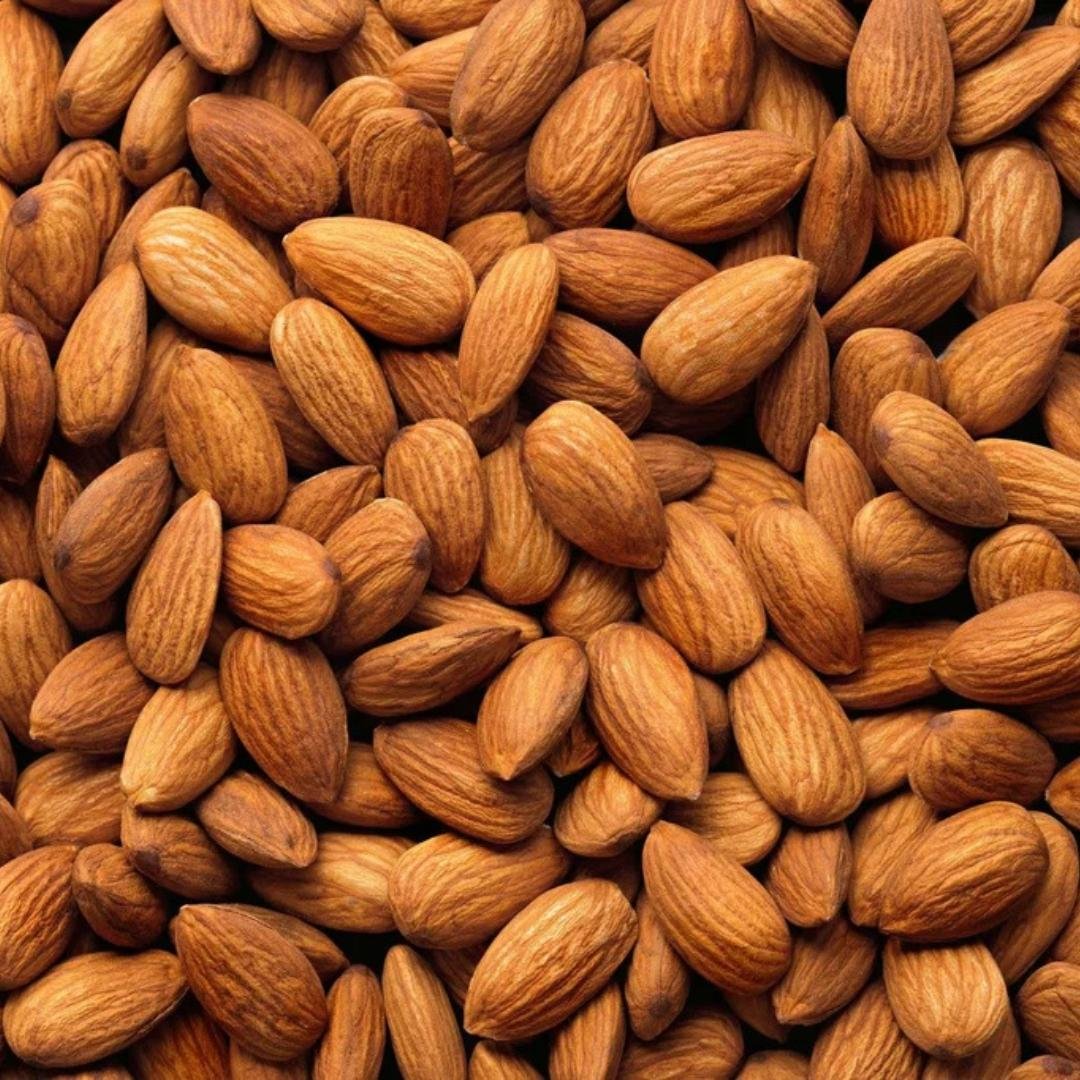
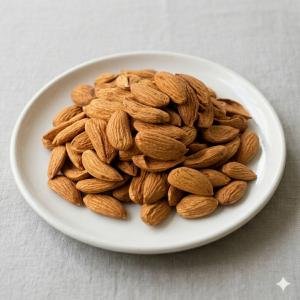
The almond is often referred to as the "king of nuts," though botanically, it is actually a drupe—a fruit with an outer shell and a hull containing a seed inside. Native to the Middle East but now famously cultivated in Mediterranean climates like California, almonds have been a dietary staple for thousands of years. They are prized not just for their crunch and flavor, but for being a nutrient-dense powerhouse that fits into almost any diet, from keto to vegan.
Characteristics of Almond
Almonds are distinct in the world of snacks due to several physical and nutritional traits:
- Structure: They consist of a hard woody shell, a green leathery hull, and the edible seed we recognize as the nut.
- Flavor Profile: While "sweet almonds" are the variety we eat, they have a mild, buttery, and slightly nutty flavor.
- Nutrient Profile: They are exceptionally high in monounsaturated fats (the heart-healthy kind), Vitamin E, magnesium, and dietary fiber.
- Varieties: They range in size, shape, and skin thickness, with "Jumbo" varieties being particularly sought after for their premium appearance and texture.
Benefits
Eating almonds is like giving your body a premium fuel upgrade. Here are the primary health advantages:
- Heart Health: Almonds help lower LDL (bad) cholesterol and are loaded with antioxidants that protect your cells from oxidative damage.
- Blood Sugar Control: High in fiber, protein, and healthy fats, they have a low glycemic index, making them an ideal snack for maintaining steady energy levels.
- Weight Management: Despite being calorie-dense, the protein and fiber content helps you feel full longer, which can prevent overeating.
- Bone Health: They are one of the best plant-based sources of calcium and phosphorus.
Uses of Almond
The versatility of the almond is unmatched in the culinary world. It can be processed into various forms:
- Raw or Roasted: The most common way to enjoy them as a portable, healthy snack.
- Almond Milk: A popular dairy alternative for those who are lactose intolerant or vegan.
- Almond Flour: A gluten-free baking essential used for macarons, pancakes, and grain-free bread.
- Almond Oil: Used both in gourmet cooking and as a moisturizing agent in high-end skincare products.
- Butter: A creamy, protein-packed spread that serves as a sophisticated alternative to peanut butter.
Why Almond Jumbo is a Favorite Choice
If regular almonds are a staple, Almond Jumbo is the luxury edition. These oversized kernels are the top-tier selection of the harvest for several reasons:
- Superior Texture: Their larger size often results in a more satisfying "crunch" and a meatier bite.
- Premium Presentation: They are the preferred choice for gifting and gourmet platters because they look uniform and impressive.
- Richness: Because they are fully matured, Jumbo almonds often carry a deeper, more concentrated flavor compared to smaller, shriveled varieties.
- Ease of Processing: For those who blanch or sliver their own nuts at home, the larger surface area makes them much easier to handle